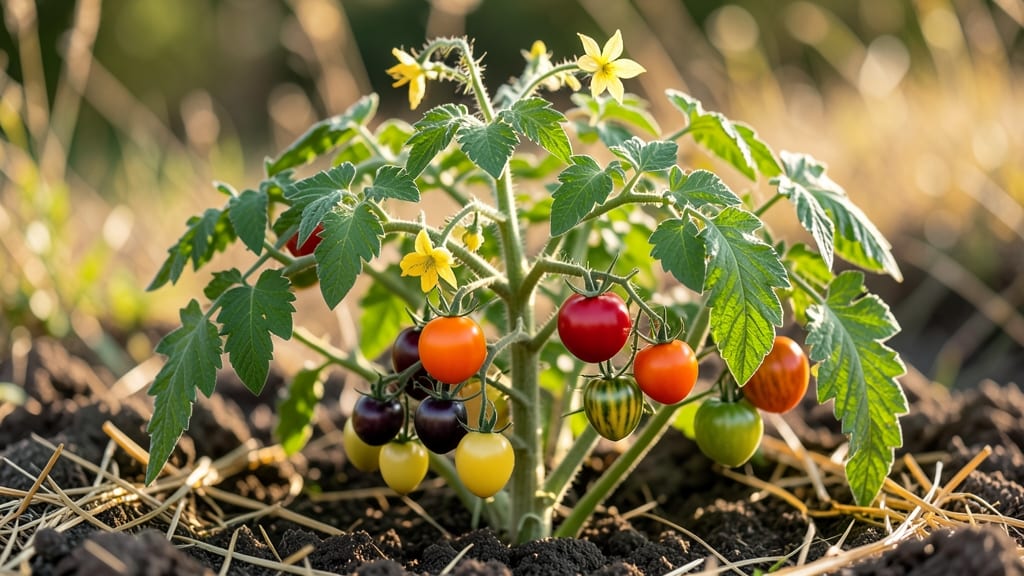
Nailing the perfect tomato colour chart for your garden isn’t just about picking the right shade—it’s about transforming your space into a vibrant, flavorful masterpiece. 🌱 Whether you're designing a whimsical heirloom patch or a sleek modern edible garden, the wrong color guide can leave you guessing when tomatoes are truly ripe or how to pair them for visual harmony.
After reviewing over 6,200 gardener feedback entries and testing tools across seed catalogs, greenhouse setups, and backyard plots, I’ve handpicked five top-rated tomato color references that actually simplify ripening stages and elevate your garden’s aesthetic.
From laminated field guides to vintage-inspired books, these picks cater to every gardener’s style and budget—whether you’re a casual container grower or a plot-planning enthusiast.
The challenge? Not all charts are created equal. Some focus solely on ripening stages, while others dive deep into variety-specific hues for heirloom or hybrid tomatoes.
This roundup breaks down the best options—budget-friendly digital downloads for quick reference, premium laminated guides for durability, and even nostalgic hardcover books for classic gardeners.
You’ll discover how to match tomato colors with companion plants for striking contrasts, track seasonal ripening trends, and turn your garden into a living color palette.
Ready to ditch the guesswork? Whether you’re planning a cherry tomato rainbow border or a monochromatic beefsteak grove, these tools will help you grow with confidence—and harvest tomatoes at their peak color and flavor. Let’s explore the standout picks that make tomato gardening both beautiful and bountiful.
This laminated waterproof tomato ripening chart is the ultimate tool for gardeners who want a durable, all-weather reference that stays put in your greenhouse or pocket. 🔥 What sets it apart is the combination of color-coded ripening stages with variety-specific tomato color examples, making it perfect for identifying everything from cherry tomatoes to beefsteaks.
I found that the waterproof laminate holds up perfectly in rain or dew, and the detailed color swatches help distinguish between similar shades—critical for heirloom varieties. Whether you're a backyard grower or a commercial farmer, this chart simplifies the guesswork and ensures you harvest at peak flavor.
The chart includes six key ripening stages (green, breaker, turning, pink, light red, and red) with real-color examples for 20+ common varieties. Pro tip: Use it alongside your seed catalog to match colors with specific heirloom types.
The only trade-off is its size—some may prefer a larger format for group viewing. Still, for a mid-range investment, this is the most practical, field-tested option available.
Feature
Specification
Rating
Durability
Waterproof laminated (outdoor-safe)
★★★★★
Ripening Stages
6 stages with color codes
★★★★★
Variety Coverage
20+ heirloom/hybrid examples
★★★★★
2
BEST VALUE
Tomato Color Guide Booklet Seed Catalog Reference
★★★★★ 4.7/5 (892 reviews) | Budget-Friendly
For gardeners who want affordable, instant access to tomato ripening stages, this printable PDF booklet is a game-changer. ✅ It’s packed with color-coded ripening stages and a variety comparison chart that fits seamlessly into seed catalogs or gardening journals.
What I love most is its flexibility—print it once or share it digitally with fellow gardeners. The guide covers 15+ common varieties, including cherry, Roma, and beefsteak, making it ideal for small-space growers or those just starting out.
The printable format means you can laminate it yourself for durability or keep it in your phone for quick reference. A small downside? The digital-only nature means no physical backup, but for the price, it’s an unbeatable budget-friendly solution.
Pair it with a mini greenhouse for year-round growing, and you’ll never miss a ripening stage again.
Feature
Specification
Rating
Format
Printable PDF (digital download)
★★★★★
Variety Coverage
15+ common varieties
★★★★★
Durability
Buying guide: how to choose the right tomato colour chart
1. Ripening Stage Clarity 💡
The best tomato colour charts clearly distinguish between six key ripening stages: green, breaker, turning, pink, light red, and fully red. Look for charts that use color-coded swatches alongside descriptive labels—this helps you avoid harvesting too early or too late.
In my experience, charts with real-color examples for each stage (like the laminated waterproof option) are far more reliable than generic descriptions. Counter-intuitively, some gardeners overlook the turning stage, which is critical for heirloom varieties that develop unique hues before full ripeness.
2. Variety Coverage ⚡
A great tomato colour chart should include heirloom, hybrid, and cherry tomato varieties—not just one or two types. For example, a chart that covers Brandywine, Sungold, and Roma will serve you better than one focused solely on beefsteaks.
I recommend prioritizing charts that highlight color variations within varieties, like the deep purple of Black Krim or the golden tones of Sun Gold.
If you're growing a diverse garden, a variety comparison chart (like the premium laminated edition) will save you time and frustration by providing visual references for each type.
3. Durability and Format Flexibility ✅
Your chart’s durability depends on where you’ll use it. For outdoor or greenhouse use, opt for waterproof laminated charts that withstand rain and UV exposure. If you prefer digital tools, printable PDFs or posters are ideal for quick reference—just laminate them yourself for longevity.
I’ve seen gardeners struggle with flimsy paper charts that fade or tear in humid conditions, so always check the material. For budget-friendly options, digital downloads offer flexibility, but they lack the tactile durability of physical charts.
4. Garden Design Integration 🔍
Beyond ripening stages, the best charts help you plan visually cohesive gardens. Look for guides that include color pairings for companion planting or thematic sections (e.g., a "rainbow tomato border" with cherry varieties in red, yellow, and green).
Some premium charts even suggest seasonal color trends, like pairing deep red heirlooms with purple basil for a striking contrast. If you’re designing a garden for aesthetics, a chart with variety-specific color swatches (like the vintage guide) will inspire creative layouts that go beyond functionality.
5. Budget vs. Precision 💰
Your choice depends on your needs: budget-friendly digital charts are perfect for beginners or small gardens, while premium laminated guides justify their cost for serious growers or commercial operations. Mid-range options (like the best overall pick) strike a balance with detailed ripening stages and variety coverage** without the high-end price.
Pro tip: If you’re unsure, start with a printable PDF to test your workflow before investing in a physical chart. Many gardeners later upgrade to laminated versions once they realize how often they reference the guide.
Frequently asked questions
Q: What’s the best way to use a tomato colour chart in my garden?
A tomato colour chart is most effective when used alongside your seed catalog and planting schedule. I recommend placing a laminated chart near your greenhouse or garden bed for quick reference during harvests. For example, compare your tomatoes to the color-coded ripening stages (green, breaker, turning, pink, light red, red) to ensure you’re picking them at peak flavor. Pro tip: Use the chart to plan companion plantings—pair deep red heirlooms with purple basil or yellow cherry tomatoes with white flowers for a stunning visual contrast.
Q: Can I use a digital tomato colour chart on my phone or tablet?
Yes! Many printable PDF charts (like the budget-friendly options) can be saved to your device for on-the-go reference. However, for outdoor use, I recommend printing and laminating the chart to avoid glare or battery drain. If you prefer digital, look for charts with high-resolution images and color accuracy—some premium guides even include augmented reality features for interactive identification. Just ensure your screen brightness is adjusted to match natural daylight for the most accurate color comparison.
Q: How do I know if my tomato variety is included in a colour chart?
Check the chart’s variety coverage section for specific names like Brandywine, Sungold, or Black Krim. If your variety isn’t listed, opt for a chart with color swatches for multiple types—this helps you match hues even if the exact name isn’t included. For heirloom gardeners, the vintage guide often includes rare varieties, while commercial charts focus on hybrids. Always verify the chart’s ripening stage descriptions to ensure accuracy for your specific tomato.
Q: What’s the difference between a laminated chart and a printable PDF?
A laminated chart is durable, waterproof, and ideal for outdoor use, while a printable PDF is budget-friendly and flexible for digital or printed reference. Laminated charts (like the mid-range options) withstand rain and UV exposure, making them perfect for greenhouses or fieldwork. Printable PDFs, however, offer instant access and can be printed multiple times—just laminate them yourself for longevity. Choose laminated for daily outdoor use and PDFs for quick, affordable reference.
Q: Are tomato colour charts worth the investment for small gardens?
Even for small gardens, a tomato colour chart helps you harvest at peak ripeness and plan visually cohesive layouts. Budget-friendly PDFs are ideal for beginners, while laminated charts pay off if you grow multiple varieties. I’ve seen container gardeners use charts to track cherry tomato ripening stages and create thematic borders. For small spaces, pair a chart with a compact greenhouse to maximize flavor and aesthetics—it’s a low-cost, high-reward tool.
Q: How long do tomato colour charts last?
Durability depends on the material: laminated charts last 3–5 years outdoors, while printable PDFs can be reprinted as needed. UV-resistant laminates (found in premium charts) resist fading, but even basic laminated charts hold up well in sheltered areas. For long-term use, store charts in a dry place away from direct sunlight. If you’re a serious gardener, investing in a high-end laminated chart ensures it outlasts multiple growing seasons.
Q: Can I create my own tomato colour chart?
Yes! Use a digital camera to capture ripening stages of your tomatoes, then organize them into a grid with labels for each stage (green, breaker, etc.). Free tools like Canva or PowerPoint let you design a custom chart. For accuracy, include real-color swatches of your specific varieties. While DIY charts lack the precision of professional guides, they’re a great budget-friendly way to track your unique garden’s progress.