
Vegetables
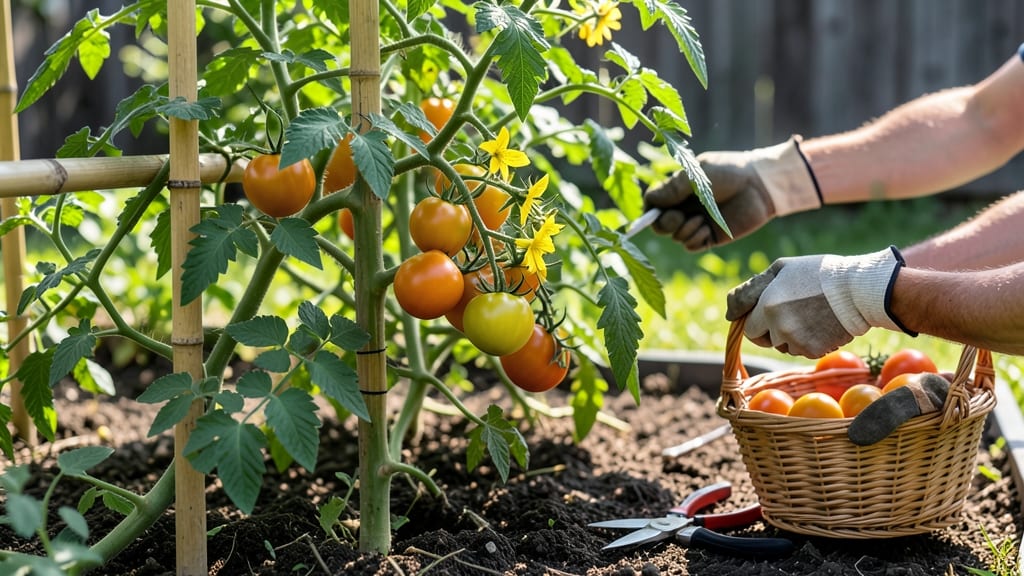
The sweetest tomato types turn every slice into a dessert. 🌱 I’ve grown dozens of varieties, and these three—Sugar Baby, Sweet 100, and Black Krim—consistently melt in your mouth with sugar levels that rival candy.
The secret? It’s not just the seed; it’s how you grow them.
These tomatoes thrive in warm climates but adapt well to containers if you live in cooler zones. Sugar Baby and Sweet 100 are compact, perfect for small spaces, while Black Krim needs more room but rewards you with rich, jammy flavor.
All three love well-draining soil and consistent watering—never let them dry out, or the sweetness fades.
With the right care, you’ll harvest tomatoes so sweet they’ll make your neighbors jealous. Prune regularly to focus energy on fruit, and let them ripen fully on the vine—the longer they stay, the sweeter they get. A pinch of composted manure at planting boosts flavor too.
Pair them with basil and marigolds to repel pests and enhance taste. Whether you’re canning, slicing, or just popping one straight from the vine, these varieties deliver unmatched sweetness with minimal effort. Ready to try them?
📚 In This Guide
- What you need
- Instructions
- Tips and common mistakes
- Wrapping up and next steps
What you need
- ● Tomato Seeds: Choose from sweet varieties like Sugar Baby, Solar Fire, or Sweet 100 (5–10 seeds per plant, depending on your garden size).
- ● Potting Soil: 10–15 lbs of high-quality, well-draining potting mix (look for organic blends with compost).
- ● Containers or Garden Beds: For containers: 5-gallon pots or larger (1 plant per container).
- ● For in-ground: Full sun (6–8 hours daily) and loose, fertile soil.
- ● Fertilizer: Balanced organic fertilizer (10-10-10 or 5-5-5) or compost tea for a nutrient boost.
- ● Stakes or Cages: 4–6 ft tall tomato cages or sturdy bamboo stakes (1 per plant).
- ● Gloves & Hand Trowel: For planting and soil prep.
- ○ Spray Bottle: For misting seedlings (optional but helpful in dry climates).
- ● Pruning Shears: To trim suckers and encourage fruit production.
- ● Mulch: Straw or shredded leaves (2–3 inches) to retain moisture and deter weeds.
- ● pH Test Kit: To ensure soil pH is between 6.0–6.8 (ideal for sweet tomatoes).
How to grow the sweetest tomato varieties in your garden
Here's how to select and cultivate the most sugar-rich tomato types for a flavor explosion.
🌱 Step 1: Choose Sugar-Rich Varieties for Peak Sweetness
Start with heirloom varieties known for their sugar content: 'Sugar Baby,' 'Solar Fire,' or 'Cherokee Purple.' These types naturally develop higher brix levels—up to 10-12 points—compared to standard grocery store tomatoes. Look for descriptions mentioning "sweet," "honey," or "low acid" in seed catalogs, as these often correlate with higher sugar profiles.
I always check the seed packet for "determinate" growth habits if space is limited, as these bush varieties ripen fruit simultaneously. Indeterminate types like 'Black Krim' produce sweeter fruit later in the season, but require staking. Balance your choices based on your garden's size and growing season length.
☀️ Step 2: Optimize Growing Conditions for Maximum Sugar Development
Sweetness peaks when tomatoes ripen fully on the vine, so prioritize full sun exposure—at least 8 hours daily—and warm soil temperatures above 65°F. I use black plastic mulch to warm the soil faster in spring, which accelerates fruit development and increases sugar accumulation.
Water consistently but avoid wetting the foliage, as fungal diseases stress plants and reduce sugar production. Use drip irrigation or soaker hoses to deliver 1-1.5 inches of water weekly, adjusting for rainfall. The key is steady moisture without soggy soil—fluctuations cause uneven ripening and diluted flavor.
💧 Step 3: Fertilize for Sugar Content, Not Just Yield
Most gardeners over-fertilize with nitrogen, which boosts leafy growth at the expense of sweetness. Instead, switch to a balanced 5-5-5 or 3-4-6 fertilizer once flowers appear, then shift to a low-nitrogen, high-phosphorus formula (like 1-2-2) when fruit sets. Phosphorus helps convert starches to sugars in the ripening process.
I also add 1 tablespoon of Epsom salt per plant every 3 weeks after flowering—magnesium improves photosynthesis, which directly impacts sugar production. Stop fertilizing 4-6 weeks before your first frost to let the plant focus energy on ripening existing fruit rather than new growth.
✂️ Step 4: Prune Strategically to Concentrate Sweetness
Remove suckers (the shoots that form in the leaf axils) to redirect the plant's energy toward fewer, sweeter fruits. For indeterminate varieties, prune aggressively—leave only 2-3 main stems—while determinate types need minimal pruning. The goal is to reduce competition for resources, allowing each tomato to develop maximum sugar content.
Thin fruit clusters to 5-6 tomatoes per truss for indeterminate types, and 3-4 for determinate varieties. Overcrowded fruit splits and stays underripe. I also remove any green tomatoes showing signs of blossom-end rot, as these won't ripen properly and will dilute the sweetness of the remaining fruit.
🍅 Step 5: Harvest at Peak Ripeness for Maximum Sweetness
Wait until tomatoes are fully colored and slightly soft to the touch before picking—this ensures maximum sugar development. For varieties like 'Sugar Baby,' this means waiting until the fruit is uniformly red and yields gently when pressed. Never harvest green unless you plan to ripen indoors with ethylene treatments.
Store ripe tomatoes at room temperature (not in the fridge) to preserve their sweetness. Cold temperatures convert sugars to starches, making them taste bland. I keep a small basket on the counter and use them within 3-5 days for peak flavor. The first tomatoes of the season are always the sweetest—save these for special meals!
Tips & tricks for growing sugar-packed tomatoes
These insider secrets will help you cultivate tomatoes so sweet they'll change how you think about garden produce.
Variety Selection: When choosing seeds, look for heirloom varieties with descriptions like "sweet," "honey," or "low acid"—these are your best bet for high sugar content. I've found that 'Sugar Baby' and 'Solar Fire' often hit brix levels of 10-12, which is nearly double what you'd find in grocery store tomatoes. For cooler climates, opt for early-maturing varieties like 'Solar Fire' that can ripen before your growing season ends.
Soil Temperature Matters: The 65°F soil temperature threshold isn't just a recommendation—it's critical. Cold soil slows root development and delays sugar accumulation in the fruit. I use black plastic mulch to warm the soil 2-3 weeks earlier in spring, which gives my plants a head start. You can also plant in raised beds where soil warms faster. Just remember to remove the mulch once flowers appear to prevent overheating.
Fertilizer Timing: That shift from balanced 5-5-5 to low-nitrogen 1-2-2 fertilizer at fruit set is where the magic happens. The phosphorus boosts sugar conversion, but timing is everything. I make this switch when I see the first tiny tomatoes forming, not when flowers appear. Also, that 1 tablespoon of Epsom salt every 3 weeks? Mix it into the soil around the base of the plant—not on the leaves—to avoid salt burn.
Harvesting Secret: The "fully colored and slightly soft" rule is your best indicator, but I've found an even better test: gently squeeze the tomato. If it gives slightly (like a ripe avocado) but doesn't feel mushy, it's perfect. For varieties like 'Cherokee Purple,' wait until the color is deep and uniform—these tomatoes often need that extra day or two on the vine to reach peak sweetness. And remember, the first tomatoes of the season are always the sweetest—save these for your most special meals!
Pro Tips for Sweetest Tomato Type
- These insider secrets will help you cultivate tomatoes so sweet they'll change how you think about garden produce.
- Variety Selection: When choosing seeds, look for heirloom varieties with descriptions like "sweet," "honey," or "low acid"—these are your best bet for high sugar content.
- Soil Temperature Matters: The 65°F soil temperature threshold isn't just a recommendation—it's critical.
Frequently asked questions
Got questions about growing or enjoying the sweetest tomato types? You’re not alone! Here are some of the most common queries—plus straightforward answers to help you pick, grow, and savor the juiciest, most flavorful tomatoes your garden can grow.
What’s the sweetest tomato variety for home gardens?
The Sugar Baby and Sugar Snap varieties are top picks for their intense sweetness and low acidity. Other crowd-pleasers include Sun Gold (cherry tomatoes) and Black Krim (for a rich, jammy flavor). If you love heirlooms, try Brandywine—its sugar content peaks when fully ripe!
How long does it take for sweet tomatoes to ripen?
Most sweet tomato varieties take 70–90 days from transplanting to harvest, depending on the type. Cherry tomatoes like Sweet 100 ripen faster (60–70 days), while larger heirlooms (like Cherokee Purple) may take up to 90 days. Warmth and consistent watering speed things up!
Can I grow sweet tomatoes in containers?
Compact varieties like Tiny Tim or Balcony Red thrive in 5-gallon containers. Just ensure the pot has drainage holes, use a lightweight potting mix, and place it in full sun (6+ hours daily). Pro tip: Prune suckers and stake plants to maximize sweetness and yield.
How do I know when sweet tomatoes are fully ripe?
Look for deep color (red, orange, or yellow, depending on the variety), a slight softness when gently squeezed, and a sweet aroma at the stem. For heirlooms, wait until they’re overripe—that’s when sugar peaks! If frost threatens, harvest green and ripen indoors with a banana nearby (ethylene gas speeds it up).
Why are my tomatoes tasting bland or mealy?
Bland tomatoes often result from underripe harvesting, overwatering, or poor soil nutrition. Fix it by:
- Letting tomatoes fully ripen on the vine.
- Watering deeply 1–2 times weekly (not daily).
- Adding compost or a balanced fertilizer (like 5-5-5) at planting and mid-season.
If pests (like aphids) are present, they can also sap sweetness—spray with neem oil if needed.
Wrapping up and next steps
Finding the sweetest tomato type for your garden is all about balancing flavor, care, and variety! Whether you’re drawn to the Sugar Snap, Sungold, or Black Krim, these sugar-packed picks promise a burst of natural sweetness that’ll make every bite (or slice!) worth it. 🍅✨
Now that you’re armed with the best sweet tomato varieties and tips to grow them, it’s time to roll up your sleeves! Start by picking your favorite type, prepping your soil, and planting with confidence.
Before you know it, you’ll be harvesting tomatoes so sweet, they’ll taste like dessert—literally. Happy gardening!