
Container Gardens
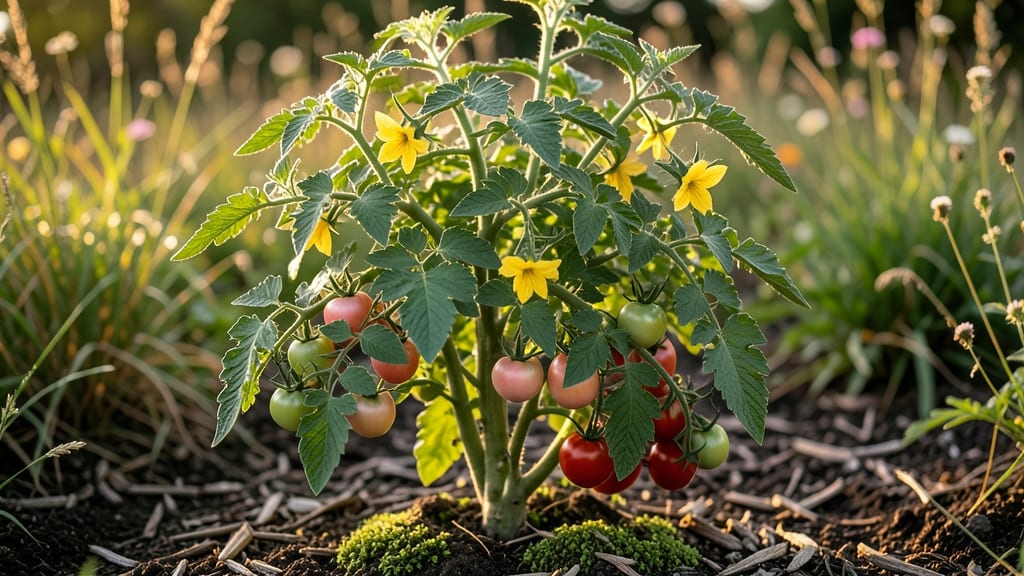
Sweet 100 tomato growing bursts onto the vine faster than anything else in my garden—7-10 days from seed to sprout, with fruit ready by midsummer. 🌱 The secret isn’t fancy soil or expensive tricks—it’s timing, warmth, and a few simple adjustments that turn stubborn seeds into vigorous plants.
I’ve grown hundreds of these little red gems, and the ones that start strong never let me down.
You’ll need just three essentials: a heat mat (or sunny windowsill), a seed-starting mix that drains like a dream, and patience for just two weeks before transplanting. No fancy grow lights or hydroponics—just good old-fashioned warmth and consistency.
The payoff? Plants that produce pounds of sweet, crack-resistant fruit per vine, perfect for slicing, sauces, or eating straight off the vine.
Here’s where it gets fun: these tomatoes thrive in containers as small as 5-gallon buckets, making them perfect for balconies or small spaces.
The key is keeping them well-watered but never soggy, pruning aggressively to focus energy on fruit, and watching for early signs of blossom end rot—because once you taste that first ripe tomato, you’ll never go back to store-bought again.
Whether you’re a first-timer or a seasoned gardener, this method works—even in partial shade if you choose the right varieties. Let’s get those seeds sprouting and turn your summer into a tomato festival.
📚 In This Guide
- What you need
- Instructions
- Tips and common mistakes
- Wrapping up and next steps
What you need
- ● Sweet 100 tomato seeds: 3–5 seeds (or 1–2 seedlings if starting with transplants). Choose heirloom, organic, or disease-resistant varieties for best results.
- ○ Containers: 5-gallon buckets or pots (minimum 12" deep and wide) with drainage holes. Optional: Self-watering containers for convenience.
- ● High-quality potting mix: 1 bag (2–3 cubic feet) of lightweight, well-draining mix (avoid garden soil—it compacts!). Pro tip: Amend with perlite or vermiculite (10% volume) for aeration.
- ● Fertilizer: Balanced 10-10-10 or 5-10-10 granular fertilizer (1 lb per container).
- ○ Optional: Slow-release organic fertilizer (like worm castings or compost) for sustained nutrients.
- ● Tomato cages or stakes: 3–4 ft tall (1 per plant). Alternative: Bamboo stakes or trellis netting for vertical growth.
- ● Watering can or hose with gentle spray nozzle: For even moisture without disturbing seeds.
- ● Mulch: Straw or shredded leaves (1–2 inches thick) to retain moisture and suppress weeds.
- ● Seed-starting kit (if germinating indoors): Includes heat mat (70–85°F ideal), grow lights, and seed trays.
- ● pH test kit: Ensure soil pH is 6.0–6.8 (tomatoes thrive in slightly acidic soil).
- ● Epsom salt (1 tbsp per plant): Boosts magnesium for vibrant foliage and fruit.
- ● Companion plants: Basil, marigolds, or borage to deter pests and improve flavor.
Step-by-step instructions for growing Sweet 100 tomatoes from seed
Here's how I guarantee quick germination and vigorous plants—no waiting months for fruit.
🌱 Step 1: Prep Seeds for Lightning-Fast Germination
Sweet 100 seeds germinate fastest when prepped the right way. First, soak them in lukewarm water for 12 hours—this softens the seed coat and speeds up sprouting. I use a small bowl and cover it loosely with plastic wrap to keep moisture in without drowning the seeds.
After soaking, spread them on a damp paper towel in a sealed container. Place this in a warm spot—75-85°F is ideal, which you can achieve by setting it on top of your fridge or near a sunny window. Check daily until you see tiny white cracks in the seed shells—this means they're ready to plant.
🪴 Step 2: Plant in Warm, Moist Soil
Fill your seed-starting trays with sterile seed-starting mix (never garden soil—it's too heavy and can harbor diseases). Moisten it until it's damp like a wrung-out sponge, then fill each cell about ¾ full. Press lightly to settle the mix without compacting it.
Plant the prepped seeds ¼ inch deep—just enough to cover them lightly. Two seeds per cell gives you insurance against weak sprouts. Gently water the surface with a spray bottle until the soil looks evenly moist but not soggy. Cover the tray with a clear plastic dome or plastic wrap to trap warmth and humidity.
💧 Step 3: Maintain Ideal Germination Conditions
Place the tray in a warm, dark spot—75-85°F is critical for fast germination. I use a seedling heat mat under my trays, which cuts germination time from weeks to just 5-7 days. Check daily for condensation on the dome—this means the humidity is perfect.
Once you see the first sprouts, remove the dome immediately. Too much humidity now invites damping-off, a fungal disease that collapses seedlings overnight. Keep the soil consistently moist but never waterlogged—tap the tray occasionally to check if the top inch feels dry.
☀️ Step 4: Provide Bright Light Immediately After Sprouting
The instant those first true leaves appear (not the initial seed leaves), move your seedlings to bright, indirect light. A south-facing window works, but most homes don't have enough intensity. I use a grow light on a timer for 14-16 hours daily, keeping it 2-4 inches above the plants.
Leggy seedlings mean your light is too far away. If stems stretch thin and pale, lower the light immediately. Strong seedlings have thick stems and leaves spaced 1 inch apart. Rotate the tray daily so plants grow straight—you'll see them lean toward the light if you don't.
✂️ Step 5: Harden Off and Transplant Quickly
Two weeks before your last frost date, start hardening off your seedlings. Place them outside in a sheltered spot for 1-2 hours the first day, gradually increasing time over 10-14 days. This toughens them up so they handle outdoor conditions without shock.
Transplant on an overcast afternoon when temperatures are 55-75°F. Bury stems deeper than the seed leaves—this encourages strong root growth. Water deeply at the base to settle the soil, and mulch with 2 inches of straw to retain moisture. Your Sweet 100s will be fruiting in 50-60 days if you've followed these steps.
Tips & tricks for growing Sweet 100 tomatoes from seed
These game-changing techniques will help you skip the months-long wait and get your tomatoes fruiting in record time.
Soaking Strategy: The 12-hour soak in lukewarm water is non-negotiable for Sweet 100 seeds—they have tough seed coats that need this hydration to break dormancy. I use distilled water to avoid chlorine or chemical residues that could inhibit germination. After soaking, pat the seeds gently between paper towels to remove excess moisture before placing them on the damp towel. Too much water here can actually drown the seeds when you seal them.
Germination Heat Hack: That 75-85°F range isn't just ideal—it's critical. I've found that placing my seed trays on top of my refrigerator works perfectly because fridges maintain a consistent 78-82°F. If your home runs cooler, consider a seedling heat mat ($15-20) for the fastest results. The moment you see those white cracks in the seed shells (usually within 3-5 days), they're ready to plant—don't wait for sprouts to appear.
Light Transition Timing: The instant those first true leaves appear (not the initial seed leaves), move your seedlings to bright light. I use a simple LED grow light on a timer for 14-16 hours daily, positioned just 2-4 inches above the plants. Here's the thing: if you wait until the seedlings are leggy, you're already behind. Leggy seedlings waste energy trying to reach light, and they'll never recover their compact, sturdy growth. Rotate your tray daily so plants grow straight—you'll notice them leaning toward the light if you don't.
Hardening Off Visual Cues: When hardening off your seedlings, use the "two-hour rule" as your guide: start with 1-2 hours outside on day one, then increase by 2 hours each subsequent day. Look for these signs: healthy seedlings should develop a deeper green color and slightly thicker stems after each session. If you see wilting or yellowing, they're not ready—bring them back inside and try again tomorrow. The goal is gradual acclimation, not shock treatment.
Pro Tips for Sweet 100 Tomato Growing
- These game-changing techniques will help you skip the months-long wait and get your tomatoes fruiting in record time.
- Soaking Strategy: The 12-hour soak in lukewarm water is non-negotiable for Sweet 100 seeds—they have tough seed coats that need this hydration to break dormancy.
- Germination Heat Hack: That 75-85°F range isn't just ideal—it's critical.
Frequently asked questions
Got questions about growing Sweet 100 tomatoes? You’re not alone—this variety is a favorite, but it comes with its own quirks! Here are answers to the most common queries to help you grow a bountiful harvest with ease.
How long does it take for Sweet 100 tomato seeds to germinate?
Sweet 100 seeds typically sprout in 5–10 days when kept in warm (70–85°F), moist soil. For faster germination, pre-soak seeds for 6–8 hours or use a seedling heat mat. Patience is key—consistent moisture and warmth speed up the process. Pro tip: Keep humidity high with a plastic dome or damp paper towel until sprouts appear!
When is the best time to plant Sweet 100 tomatoes outdoors?
Wait until after the last frost and soil temps reach at least 55°F (13°C). In most regions, this is 2–4 weeks after your average last frost date. For containers, harden off seedlings first (7–10 days of gradual outdoor exposure). Pro tip: Use row covers early on to protect tender plants from chilly nights!
Why aren’t my Sweet 100 tomatoes ripening—are they done for the season?
If tomatoes stay green or turn yellow without ripening, it’s often due to cool temps, lack of sunlight, or overcrowding. Try these fixes:
- Harvest green tomatoes and ripen indoors with a paper bag + banana (ethylene trick!).
- Ensure 6–8 hours of direct sun daily and prune suckers for better airflow.
- Use a black plastic mulch to warm soil and speed up ripening.
Can I grow Sweet 100 tomatoes in containers smaller than 5-gallon buckets?
While Sweet 100s thrive in 5+ gallon containers, you can try 3–4 gallon pots—but expect smaller yields and more frequent watering. Use a lightweight potting mix with compost and support the plant with a cage or stake. Pro tip: Prune aggressively to limit vine size, and fertilize weekly with a balanced liquid feed (10-10-10) during fruiting!
What’s the fastest way to prevent pests like hornworms or aphids on Sweet 100 plants?
Prevention starts with healthy plants! Here’s a quick action plan:
- Handpick pests (hornworms are easy to spot—just squish ‘em!).
- Spray with neem oil or insecticidal soap at the first sign of aphids.
- Encourage beneficial insects like ladybugs or lacewings by planting basil or marigolds nearby.
- Use row covers early in the season to block pests entirely.
Wrapping up and next steps
Growing Sweet 100 tomatoes in containers is a rewarding journey—packed with juicy, flavorful rewards when you follow the right steps! From fast germination to bursting fruit loads, this variety thrives with proper care, patience, and a little know-how.
Whether you're a beginner or a seasoned gardener, these tips will set you up for a delicious harvest.
Ready to dive in? Start small—pick your container, gather your supplies, and plant those seeds! Soon, you’ll be savoring homegrown tomatoes straight from your balcony or patio. Happy growing! 🌱🍅