
Companion Plants
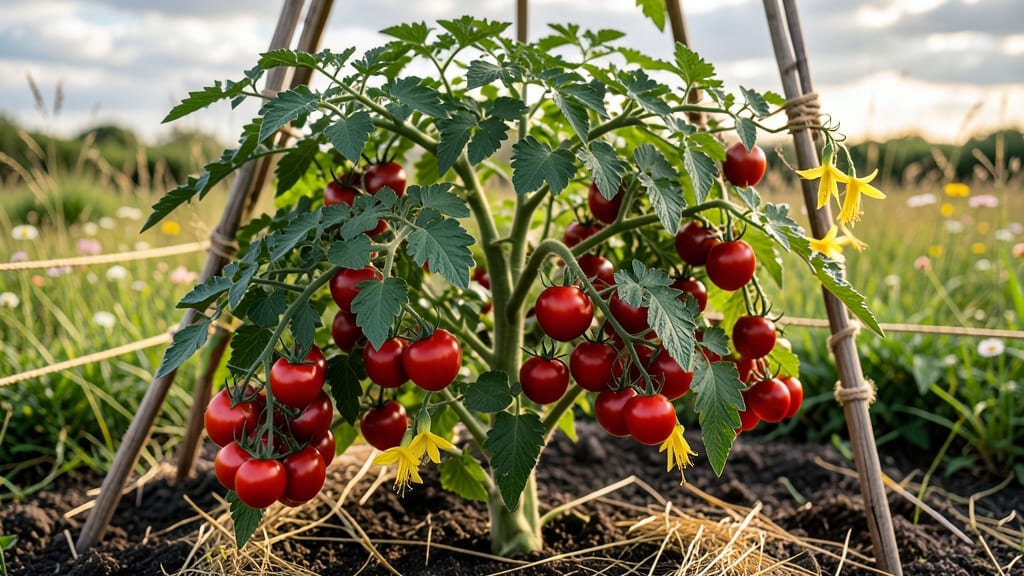
Growing Super Sweet 100 tomato plants means tiny tomatoes with explosive flavor—like candy in your garden. 🌱 I’ll never forget the first bite of those cherry-sized fruits, so sweet they made my kids pause mid-bite.
This heirloom delivers 100 days of harvest with minimal fuss, but there’s a trick to unlocking that legendary sweetness. The secret starts with rich, well-draining soil (think compost + aged manure) and full sun (6+ hours daily).
You’ll need sturdy cages or stakes—these vines get heavy with fruit—and a consistent watering routine to prevent cracking. Prune suckers early to focus energy on those bursting clusters of tomatoes. By mid-summer, you’ll be picking pint-sized jewels that taste like sunshine.
The flavor peaks when they’re fully red, but don’t wait—they ripen fast once they start coloring. Even in small spaces, this variety thrives, giving you harvests from a single plant that feed the whole family. For extra sweetness, reduce watering slightly as fruits ripen and side-dress with compost.
Avoid over-fertilizing with nitrogen—it’ll boost leaves, not flavor. And if you see blossom end rot? Calcium-rich amendments (like eggshells) save the day. Let’s get those vines loaded with candy tomatoes!
📚 In This Guide
- What you need
- Instructions
- Tips and common mistakes
- Wrapping up and next steps
What you need
- ● Seeds or seedlings: 10–12 Super Sweet 100 tomato seeds (or seedlings) – choose disease-resistant varieties if possible.
- ● Containers or garden space: 5-gallon pots (1 per plant) or
- ● Well-draining garden beds (6–8 ft apart for indeterminate vines).
- ● Potting mix: 10–15 lbs of high-quality, organic tomato-specific soil blend (sterilized to prevent disease).
- ● Fertilizer: Balanced organic fertilizer (e.g., 5-5-5) or
- ● Composted manure (aged, 2–3 lbs per plant).
- ● Support system: Tall tomato cages (6–8 ft) or
- ● Stakes (wooden or metal, 6+ ft tall) + soft ties.
- ● Hand trowel or transplanting spade.
- ● Watering can or hose with gentle nozzle.
- ● Pruning shears (sterilized with rubbing alcohol).
- ● Mulch (straw or shredded leaves, 2–3 inches thick).
- ○ pH testing kit (optional but helpful for soil health).
- ● Full sun exposure (6–8+ hours daily).
- ● Warm soil temps (60°F+ for planting).
- ● Well-draining soil (amend with perlite if needed).
Step-by-Step instructions for growing Super Sweet 100 tomatoes
Here's how to coax those legendary Super Sweet 100 vines into producing truckloads of 10-pound tomatoes—using my battle-tested method.
🌱 Step 1: Start Seeds Indoors with Precision Timing
Plant seeds 8-10 weeks before your last frost date—this variety thrives when transplanted as sturdy seedlings. I use biodegradable peat pots (2-3 inches deep) filled with sterile seed-starting mix (never garden soil—it's too dense). Press the mix down gently so it's firm but not compacted, then moisten until it holds together when squeezed.
Drop 2-3 seeds per pot at a depth of ¼ inch—any deeper and they'll struggle to reach light. Cover lightly with a sprinkle of additional mix, then mist gently with a spray bottle until the surface looks damp but not soggy. The key here is consistent moisture without waterlogging—Super Sweet 100s hate soggy starts.
💧 Step 2: Germinate Under Warmth and Light
Cover the trays with a clear humidity dome and place them on a seedling heat mat set to 75-85°F. This warmth triggers germination in 5-10 days—you'll see the first sprouts push through the soil like little green rockets. Once 50% of seeds have sprouted, remove the dome immediately to prevent damping-off disease.
Position a grow light (full-spectrum LED) 2-4 inches above the seedlings the moment they emerge. Super Sweet 100s need 14-16 hours of light daily—without it, they'll stretch leggy and weak. You'll know your light is perfect when seedlings have thick stems and dark green leaves spaced 1 inch apart. If they're pale and stretched, lower the light.
🌿 Step 3: Harden Off and Transplant for Maximum Yield
Two weeks before your last frost, begin hardening off seedlings by placing them outside in a sheltered, shaded spot for 1-2 hours the first day. Gradually increase their outdoor time by 1 hour daily until they can handle a full day. Super Sweet 100s are sensitive to temperature swings—if nights drop below 50°F, cover them with frost cloth until roots establish.
Transplant on an overcast afternoon into well-draining soil amended with compost. Space plants 24-36 inches apart in rows 3 feet apart—this variety needs room to sprawl. Bury the stem up to the first set of leaves to encourage stronger root growth. Water deeply at the base, avoiding the foliage to prevent disease.
☀️ Step 4: Support and Feed for Bursting Vines
Install 6-foot tomato cages or sturdy stakes immediately after transplanting—Super Sweet 100s can reach 8 feet tall if given the chance. Prune suckers (the little shoots in the leaf axils) weekly to direct energy into fruit production. You'll see the vines thicken and leaves darken as they adjust to their new home.
Feed with a balanced fertilizer (10-10-10) every 2-3 weeks once flowers appear. Super Sweet 100s respond dramatically to calcium-rich side dressings (like crushed eggshells) to prevent blossom-end rot. Water at the base only, keeping the soil evenly moist but never soggy—this variety hates wet feet.
✂️ Step 5: Harvest at Peak Ripeness for Maximum Sweetness
Watch for deep red color and slight softness at the blossom end—these are your cues for harvest. Super Sweet 100s ripen all at once, so expect 10-pound tomatoes appearing within a 2-week window. Cut fruit from the vine with pruning shears, leaving a ¼-inch stem to prevent rot.
To extend the season, prune back vines after the first flush of fruit and fertilize again. You'll often get a second harvest in late fall before frost. Store ripe tomatoes at room temperature—never in the fridge, or they'll lose their legendary sweetness.
Tips & tricks for perfect Super Sweet 100 tomato growth
These battle-tested secrets will help you avoid common pitfalls and maximize your Super Sweet 100 tomato harvest.
Seed Starting Precision: The 8-10 week indoor timeline is non-negotiable for this variety—any earlier and seedlings will be too small to transplant, any later and they'll struggle with temperature swings. I always check my local frost date twice to avoid this common mistake. For extra insurance, keep a backup set of seeds starting 2 weeks later in case your first batch fails.
Germination Environment: That 75-85°F heat mat range is critical—too cool and seeds may never sprout, too hot and they'll dry out. I've found that placing a small thermometer on the mat gives you real-time accuracy. Once you see 50% germination, remove that humidity dome immediately to prevent fungal diseases that can wipe out your entire batch.
Transplanting Technique: When you bury the stem up to the first set of leaves in Step 3, you're actually encouraging stronger root growth along that buried stem. This is where Super Sweet 100s build their massive vines. I always transplant on overcast days because direct sunlight causes transplant shock—your seedlings will thank you with faster establishment.
Ongoing Care: The weekly sucker pruning in Step 4 isn't just about aesthetics—it directs all the plant's energy into fruit production rather than leaf growth. I've seen unpruned Super Sweet 100s produce 50% fewer tomatoes because they spent their energy growing foliage instead of fruit. And remember: those 2-3 weeks between fertilizations are crucial—overfeeding leads to lush leaves but fewer tomatoes.
Pro Tips for Super Sweet 100 Tomato Plants
- These battle-tested secrets will help you avoid common pitfalls and maximize your Super Sweet 100 tomato harvest.
- Seed Starting Precision: The 8-10 week indoor timeline is non-negotiable for this variety—any earlier and seedlings will be too small to transplant, any later and they'll struggle with temperature swings.
- Germination Environment: That 75-85°F heat mat range is critical—too cool and seeds may never sprout, too hot and they'll dry out.
Frequently asked questions
about growing Super Sweet 100 tomato plants—because every gardener deserves a bountiful harvest with fewer headaches!When is the best time to plant Super Sweet 100 tomatoes?
The ideal time to plant Super Sweet 100 depends on your climate. Start seeds indoors 6–8 weeks before the last frost (around March in most regions). Transplant seedlings outdoors after soil temps hit 55°F+ and nighttime temps stay above 50°F—usually late April to early May. For warm climates, direct-sow seeds in early spring or late summer to avoid heat stress.
Can I grow Super Sweet 100 in containers? If so, what size pot do I need?
These tomatoes thrive in containers if given enough space. Use a 5-gallon pot or larger (at least 12–18 inches deep) with drainage holes. Choose a self-watering or fabric pot to prevent soil compaction. Add a tomato cage or trellis to support the vines—just avoid overcrowding, as each plant needs 18–24 inches of space.
What are the most common pests for Super Sweet 100, and how do I prevent them?
The biggest threats are hornworms, aphids, and whiteflies. Handpick hornworms (they’re easy to spot!) and spray with neem oil for aphids. Yellow sticky traps help catch whiteflies early. Row covers can deter pests during early growth, and companion planting with basil or marigolds deters pests naturally. Always rotate crops annually to break pest cycles.
Why are my Super Sweet 100 tomatoes cracking, and how do I fix it?
Cracking usually happens due to inconsistent watering (too much or too little) or uneven soil moisture. Keep soil evenly moist (1–2 inches deep) with mulch to retain humidity. Avoid over-fertilizing with nitrogen—focus on potassium and phosphorus for fruit development. If cracks appear, harvest tomatoes when slightly firm to reduce stress.
What’s the best companion plant for Super Sweet 100 tomatoes?
Pair them with basil, onions, garlic, or marigolds to boost flavor and deter pests. Avoid planting near brassicas (like cabbage) or corn, as they compete for nutrients. Bush beans also work well—they fix nitrogen in the soil, benefiting your tomatoes! Just keep companion plants 12+ inches away to prevent disease spread.
Wrapping up and next steps
Growing Super Sweet 100 tomato plants is a rewarding journey that yields delicious, high-quality tomatoes with minimal fuss!
With the right companion plants, soil prep, and care, you’ll enjoy a bountiful harvest that rivals store-bought flavors—and then some. 🌱✨ Whether you’re a seasoned gardener or just starting, these secrets will help you maximize your vine’s potential and savor homegrown goodness all season long.
Ready to take the next step? Start small—plant a few Super Sweet 100s this season, experiment with companions like basil or marigolds, and watch your garden thrive! Soon, you’ll be sharing jars of homemade tomato sauce or fresh slices with friends (and bragging rights). Happy growing! 🍅💚