
Vegetables
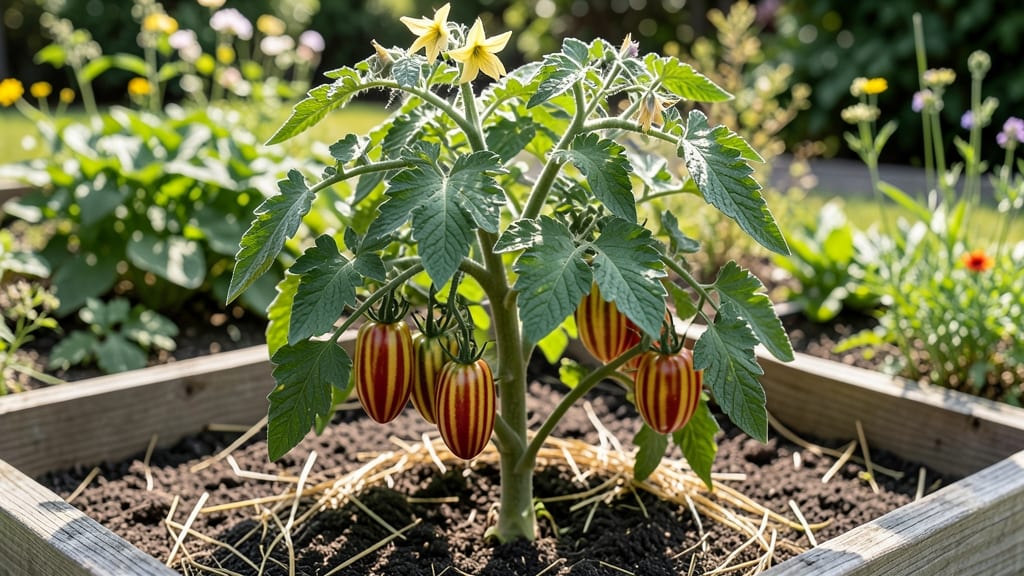
Growing striped German tomato seeds rewards you with fruits that look like edible art—bold stripes of red and yellow that disappear when cooked into sauces. 🌱 I’ve grown this heirloom for three seasons, and it’s become my go-to for both show and flavor, producing heavy, beefsteak-style tomatoes that balance sweetness with a tangy kick.
The key? Starting seeds early and giving them the right conditions to thrive through summer’s heat.
This variety demands patience but pays off big: plant seeds indoors 8-10 weeks before your last frost, then transplant seedlings after soil warms to 60°F. They need full sun (6-8 hours daily) and rich, well-draining soil—think compost mixed with aged manure to prevent cracking.
Water consistently at the base (never overhead) to keep fruits from splitting, and stake or cage plants early since they grow 3-4 feet tall.
What makes these tomatoes special isn’t just their looks—they’re also disease-resistant (better than most heirlooms) and hold up well in jars or on sandwiches. Prune suckers regularly to focus energy on fruit production, and watch for early blight by removing lower leaves.
By mid-summer, you’ll be harvesting 1-2 pounds of striped beauty per plant, with flavors that deepen as they ripen.
The best part? These tomatoes keep producing until frost, and saved seeds stay viable for years. Whether you’re a beginner or a seasoned grower, this variety delivers both drama and deliciousness—no fancy tricks required. Let’s get those seeds started!
📚 In This Guide
- What you need
- Instructions
- Tips and common mistakes
- Wrapping up and next steps
What you need
- ● Striped German tomato seeds – 5-10 seeds (or 1-2 seed packets, depending on your space)
- ● Seed-starting mix – 1-2 quarts (lightweight, sterile potting mix with perlite or vermiculite)
- ● Seed trays or small pots – 4-6 (3-4 inches deep, with drainage holes)
- ● Grow lights or sunny windowsill – 12-16 hours of light daily (LED grow lights work best)
- ● Watering can or spray bottle – With a fine mist setting for seedlings
- ● Transplant containers or garden beds – 5-gallon pots or well-draining soil (pH 6.0-6.8)
- ● Fertilizer – Balanced organic fertilizer (5-5-5 or 10-10-10) or compost tea
- ● Support stakes or cages – 5-6 feet tall (tomatoes grow tall and need support!)
- ● Heat mat – For faster germination (70-85°F ideal)
- ● Humidity dome or plastic wrap – To retain moisture around seedlings
- ● pH testing kit – Ensures soil is tomato-friendly
- ● Pruning shears – For shaping plants and removing suckers
- ● Mulch – Straw or shredded leaves to retain soil moisture
- ● Pest control (neem oil, row covers) – For organic defense against pests
Step-by-step instructions for growing striped German tomatoes from seed
Here’s how to coax those striking striped fruits from tiny seeds—my foolproof method for vibrant, flavorful harvests.
🌱 Step 1: Prepare Seedling Trays and Mix for Germination
Fill 4-cell seedling trays with sterile seed-starting mix—never garden soil, which can harbor diseases like damping-off. Moisten the mix until it’s damp like a wrung-out sponge, then press it down gently so it’s firm but not compacted. The reason for this prep? German tomatoes are sensitive to inconsistent moisture, and a well-settled mix prevents uneven germination.
Use a pencil or your finger to make ¼-inch-deep holes—just deep enough to cradle the seeds without burying them too far. I like to tap the seed packet gently to release one seed at a time; planting too many in a cell leads to weak, crowded seedlings later. Place 1-2 seeds per cell and cover lightly with a sprinkle of mix. Here’s the thing—don’t press down hard after planting. You’ll see the seeds settle naturally as you water.
💧 Step 2: Create Ideal Germination Conditions
Cover the trays with a clear plastic dome or plastic wrap to trap warmth and humidity. German tomatoes germinate best at 75-80°F, so place the tray on a seedling heat mat if your home runs cooler. Without a heat mat, germination could take 14-21 days instead of the 7-10 days you’ll see with consistent warmth.
Resist the urge to water again until you notice condensation forming on the dome’s underside—this means the soil is moist enough. Once 50% of seeds have sprouted, remove the dome immediately. Trapped humidity after germination invites fungal diseases, and you’ll know it’s time when the first tiny green shoots break through the soil. Watch for first true leaves (the second set after the initial cotyledons) to appear before moving to light.
☀️ Step 3: Provide Strong, Consistent Light
The instant those first true leaves unfurl, move seedlings under 14-16 hours of grow light daily. A south-facing window won’t cut it—German tomatoes need high-intensity light to prevent leggy growth. Position a full-spectrum LED grow light 2-3 inches above the plants and raise it as they grow to maintain that distance. You’ll see leggy seedlings (thin, pale stems) if the light is too far away, and that’s a sign they’ll never recover their compact, sturdy form.
Rotate the trays a quarter turn daily so seedlings grow straight instead of leaning toward the light. Strong seedlings have thick stems, deep green leaves, and no gaps between leaf nodes. If you notice leaves touching the light source, raise it immediately—burned tips won’t recover. After 4-6 weeks, when seedlings have 4-6 true leaves, they’re ready for transplanting into larger pots.
🪴 Step 4: Transplant into Individual Pots
Move each seedling into a 6-inch pot filled with well-draining potting mix. Handle seedlings by their leaves—never the stems—to avoid damaging delicate tissue. Gently loosen the root ball from the seed tray and place it in the center of the new pot, then fill around it with mix, pressing lightly to eliminate air pockets. The goal is to bury the stem up to the first true leaves; this encourages stronger root growth.
Water deeply until moisture runs out the drainage holes, then let the soil dry slightly before watering again. German tomatoes are prone to blossom-end rot if their roots experience moisture fluctuations, so consistency is key. Place the pots in a bright, sunny spot (or under grow lights) and avoid moving them around—tomatoes hate being transplanted more than once. You’ll see new leaves emerge within 7-10 days, signaling the plant has adjusted to its new home.
✂️ Step 5: Prune and Support for Maximum Fruit Production
When seedlings reach 12 inches tall, pinch off the top set of leaves just above a leaf node with at least three leaves. This encourages bushier growth and more fruit later. German tomatoes benefit from staking or caging—install a 5-foot stake or tomato cage as soon as you transplant them into the garden. The reason? Their indeterminate vines grow 6-8 feet tall, and without support, the weight of striped fruits will snap stems.
Prune regularly throughout the season by removing suckers (the small shoots that form in the leaf axils) and any leaves touching the soil. This improves airflow, reducing disease risk. When flowers appear, hand-pollinate by gently shaking the plants in the morning—German tomatoes often need a little help setting fruit. Harvest when fruits develop their bold striped pattern and are fully colored, usually 70-80 days after transplanting. The flavor? Sweet, tangy, and worth every step.
Tips & tricks for growing striped German tomatoes from seed
These small details make all the difference between healthy seedlings and disappointing failures.
Germination Temperature: The 75-80°F range is non-negotiable for striped German tomatoes. If your home runs cooler, invest in a seedling heat mat—it's the only way to guarantee that 7-10 day germination window. I've seen germination stretch to 3 weeks without one, and that's when seedlings get leggy before they even get their first true leaves. Place your thermometer near the tray to monitor—consistency matters more than the exact number.
Light Quality Matters: Those 14-16 hours of grow light need to be full-spectrum LEDs, not basic household bulbs. I learned this the hard way when my seedlings turned pale and stretched toward the window. Position the light 2-3 inches above the plants and raise it weekly as they grow. The goal is to see strong, dark green leaves with no gaps between nodes—if you notice yellowing or burned tips, you're either overwatering or the light's too intense.
Transplanting Technique: When moving seedlings to 6-inch pots, bury the stem up to the first true leaves—this isn't just advice, it's a game-changer. The buried portion will develop roots, creating a stronger, more stable plant. Handle seedlings by their leaves only; stems are fragile and can snap easily. After transplanting, place pots in a stable location—tomatoes hate being moved once established, and sudden changes can shock the plants.
Pruning Strategy: The 12-inch height mark for pinching is your first major pruning opportunity. Look for a leaf node with at least three leaves to make your cut—this encourages branching that leads to more fruit later. Regular sucker removal (those little shoots in leaf axils) improves airflow and reduces disease risk. I find the best time to prune is in the morning when plants are turgid and less likely to be stressed by the process.
Pro Tips for Striped German Tomato Seeds
- These small details make all the difference between healthy seedlings and disappointing failures.
- Germination Temperature: The 75-80°F range is non-negotiable for striped German tomatoes. If your home runs cooler, i...
- Light Quality Matters: Those 14-16 hours of grow light need to be full-spectrum LEDs, not basic household bulbs. I le...
Frequently asked questions
Got questions about growing striped German tomato seeds? You’re not alone! Here are answers to the most common queries—whether you’re a first-time gardener or a seasoned green thumb looking to perfect your harvest.
How long does it take for striped German tomato seeds to germinate?
Striped German tomato seeds typically sprout within 7–14 days after planting, depending on temperature and moisture. Keep soil consistently warm (around 70–85°F) and humid to speed up germination. Patience is key—some seeds may take up to 3 weeks!
What’s the best temperature for growing striped German tomatoes?
These tomatoes thrive in warm climates (70–85°F during the day), but they can tolerate cooler nights (down to 50°F). If your area gets chilly, opt for container gardening or use row covers. Avoid planting until soil is at least 60°F—cold soil slows growth.
Are striped German tomatoes easy to grow for beginners?
Yes! They’re disease-resistant and productive, making them great for beginners. Just ensure they get 6–8 hours of sunlight daily, well-draining soil, and regular watering (but avoid soggy roots). Staking or caging helps support their vines as they grow.
Can I save seeds from striped German tomatoes for next year?
Let a few tomatoes fully ripen on the vine, then scoop out the seeds, ferment them in water for 2–3 days, and dry them on paper towels. Store in a cool, dark place for up to 3 years. Just note: seed-saving may slightly alter traits over generations.
What should I do if my striped German tomato plants get blight?
Early blight (common in humid climates) causes brown spots on leaves. Remove infected foliage immediately, space plants for airflow, and apply copper fungicide preventatively. Avoid overhead watering, and rotate crops next season to prevent recurrence.
Wrapping up and next steps
Growing striped German tomato seeds is a rewarding journey that brings bold, eye-catching fruits to your table—plus the satisfaction of nurturing something extraordinary from seed! Whether you’re a seasoned gardener or a curious beginner, these vibrant tomatoes add flair to meals and gardens alike. 🌱✨
Now that you’re armed with tips and answers, it’s time to plant those seeds and watch your garden transform. Start small, stay patient, and soon you’ll be harvesting (and bragging about!) your very own striped German tomatoes. Happy growing! 🍅💚