Companion Plants
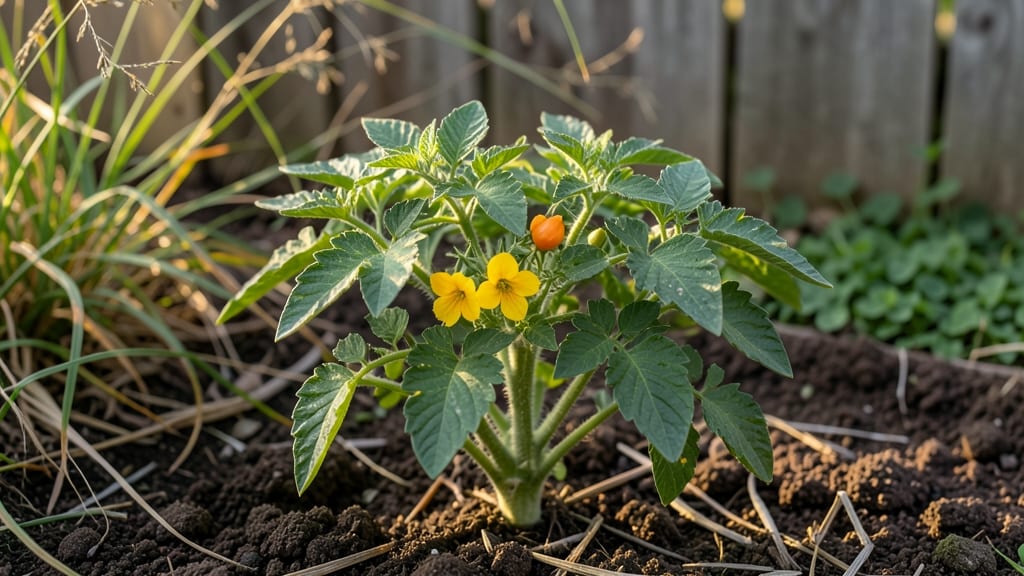
Growing small cherry tomato plants in containers turns your balcony into a sun-drenched harvest zone. 🌱 These compact varieties pack flavor into bite-sized fruits while saving space—perfect for renters or small yards.
The key is matching their needs to your setup: the right pot, soil, and sunlight combo transforms them from seedlings into prolific producers.
Start with a 5-gallon container or larger for each plant, filled with well-draining potting mix rich in compost. Place them where they’ll get 6-8 hours of direct sun daily—a south-facing window, patio, or balcony works.
Water when the top inch of soil feels dry, but avoid soggy roots. A cage or trellis keeps vines upright and makes harvesting easier, plus it prevents sprawl in tight spaces.
By mid-summer, you’ll be snipping clusters of sweet, tangy tomatoes straight from the vine. These plants thrive in heat and produce all season long if you prune suckers (those little shoots in the leaf axils) regularly.
The first harvest comes in 6-8 weeks after transplanting, and with proper care, they’ll keep delivering until frost.
Even beginners nail this—just watch for common issues like blossom end rot (fix with calcium) or aphids (spray with soapy water). With the right setup, you’ll outproduce store-bought tomatoes in half the space. Ready to grow?
📚 In This Guide
- What you need
- Instructions
- Tips and common mistakes
- Wrapping up and next steps
What you need
- ● Container: At least 5-gallon size (or larger for multiple plants). Ensure it has drainage holes. Self-watering pots are a great option for busy gardeners!
- ● Potting mix: A high-quality, well-draining container mix (avoid garden soil—it compacts and holds too much moisture). Look for blends labeled for vegetables or tomatoes.
- ● Small cherry tomato seeds or seedlings: Choose determinate varieties (like 'Tiny Tim' or 'Balcony Red') for compact growth. Start with 1-3 plants per container (they’ll spread!).
- ● Fertilizer: A balanced, slow-release fertilizer (e.g., 10-10-10 or 5-5-5) or an organic option like fish emulsion or compost tea.
- ● Support structure: A small cage, trellis, or stakes (4-6 feet tall) to guide the vines upward and prevent sprawling.
- ● Watering can or hose with gentle nozzle: Cherry tomatoes need consistent moisture but hate soggy roots.
- ● Mulch: Straw or shredded leaves to retain moisture and suppress weeds.
- ● Pruning shears: For trimming suckers (side shoots) to encourage fruit production.
- ● pH test kit: To check soil acidity (ideal range: 6.0–6.8). Adjust with lime or sulfur if needed.
- ● Drip irrigation system: For automated, even watering (especially useful in hot climates).
- ● Companion plants: Basil, marigolds, or borage to repel pests and boost flavor!
- ● Container saucer or tray: To catch excess water and protect surfaces.
Step-by-Step guide to growing small cherry tomato plants in containers
Here's how to coax those tiny plants into prolific producers with minimal space and maximum flavor.
🪴 Step 1: Select the Right Containers and Drainage System
Cherry tomatoes need deep roots but won't tolerate soggy feet, so choose containers with at least 12 inches of depth and multiple drainage holes. I prefer 5-gallon fabric grow bags for their breathability and root-pruning benefits—roots grow outward naturally, creating a stronger structure. If using traditional pots, add a layer of ½-inch gravel at the bottom before filling with soil.
Real talk: Fabric pots dry out faster than plastic, so you'll water more often. But the trade-off is worth it—those vines won't outgrow their space and topple over. Place a saucer underneath to catch any drainage, but never let plants sit in standing water for more than an hour.
🌱 Step 2: Prepare Soil and Plant with Proper Spacing
Fill your container with a mix of high-quality potting soil and 20% perlite or vermiculite for aeration. Cherry tomatoes thrive in slightly acidic soil with a pH of 6.0-6.8. Add a slow-release fertilizer (like 5-10-5) at planting time—just follow the package rate for 5-gallon containers. Plant your 4 small cherry tomato plants in a square pattern, spacing them 6 inches apart.
Here's the thing—bury the stems deeper than they came in the pot. Up to ⅓ of the stem can be covered with soil, which encourages stronger root growth. Gently firm the soil around the base, but don't compact it. You'll see new roots forming along the buried stem within 2-3 weeks.
☀️ Step 3: Provide Support and Optimal Light Conditions
Install a 6-foot tall tomato cage or sturdy trellis immediately after planting. Cherry tomatoes grow aggressively, and without support, they'll sprawl everywhere. I like using 5-gallon bucket cages for containers—they're lightweight, rust-proof, and provide 360-degree support as vines grow outward.
Place your containers in a spot that gets 6-8 hours of direct sunlight daily. South-facing windows or a sunny patio work best. If growing indoors, supplement with a full-spectrum LED grow light kept 12-18 inches away. You'll know light is sufficient when leaves are dark green and 3-4 inches apart—not stretched or pale.
💧 Step 4: Water and Feed for Maximum Production
Water deeply when the top 1-2 inches of soil feel dry, which typically means every 2-3 days in summer heat. Use a watering can with a narrow spout to direct water at the base, avoiding wet foliage. Mulch with 1 inch of straw to retain moisture and prevent soil-borne diseases.
Feed plants every 2 weeks with a balanced liquid fertilizer (like 10-10-10) diluted to half-strength. I switch to a calcium-rich supplement when flowers appear to prevent blossom-end rot. You'll notice a surge in fruit production within 3-4 weeks of consistent feeding.
✂️ Step 5: Prune and Harvest for Continuous Yield
Pinch off the first flowers that appear on suckers (the small shoots in the leaf axils) to encourage stronger vine growth. Once the main stem reaches the top of your support, let it grow freely. Prune any leaves touching the ground or lower branches to improve airflow and reduce disease risk.
Harvest cherries when they're ½-inch in diameter and fully colored—waiting longer makes them mealy. Pick in the morning after dew dries to prevent cracking. Regular harvesting encourages more flowers and fruit. With proper care, you'll get 2-3 harvests per week from each plant during peak season.
Tips & tricks for perfect container-grown cherry tomatoes
These little tricks will help your compact cherry tomato plants thrive in containers and deliver a bounty of sweet, flavorful fruit.
Container Selection: While 5-gallon fabric grow bags are ideal, you can also use traditional pots with these adjustments: Ensure they have at least 12 inches of depth and add a ½-inch gravel layer at the bottom for drainage. I've found that containers with a diameter of 12-18 inches give roots enough space to spread without becoming root-bound. For urban balconies, look for lightweight options like plastic or resin containers—they're easier to move if you need to adjust sunlight exposure.
Soil Mix Matters: The 20% perlite or vermiculite ratio is crucial for preventing compaction in containers, but don't skimp on the quality of your potting soil. I recommend mixing in 10% compost to give your plants a nutrient boost right from planting. For the 4 plants in a 5-gallon container, you'll need about 3-4 gallons of this soil mix. Test your soil pH before planting—if it's outside the 6.0-6.8 range, adjust with lime (to raise pH) or sulfur (to lower pH).
Light Optimization: Those 6-8 hours of direct sunlight are non-negotiable, but here's how to maximize them: Rotate your containers every few days to ensure even light exposure all around. If you notice leaves stretching toward the light (a sign of etiolation), you're not getting enough. For indoor growers, position your full-spectrum LED light 12-15 inches away and keep it on for 14-16 hours daily to simulate long summer days. The 3-4 inch spacing between leaves is your visual cue for perfect light conditions.
Pruning Strategy: When pruning suckers in Step 5, focus on removing only those that appear in the leaf axils between the main stem and branches. Leave the small shoots that grow above the leaf nodes—these will become your fruit-bearing branches. I've found that pruning in the morning gives plants time to recover before evening temperatures drop. And here's a pro move: Save your pruned suckers! Place them in water to root, then transplant them as new plants for next year.
Pro Tips for Small Cherry Tomato Plants
- These little tricks will help your compact cherry tomato plants thrive in containers and deliver a bounty of sweet, f...
- Container Selection: While 5-gallon fabric grow bags are ideal, you can also use traditional pots with these adjustme...
- Soil Mix Matters: The 20% perlite or vermiculite ratio is crucial for preventing compaction in containers, but don't ...
Frequently asked questions
Got questions about growing small cherry tomato plants?
You’re not alone! Here are the answers to the most common queries—from timing to troubleshooting—so you can grow like a pro.
How long does it take for small cherry tomato plants to produce fruit?
With proper care, small cherry tomato plants typically start flowering in 6–8 weeks after transplanting and produce fruit within 2–3 weeks after that. Dwarf varieties (like 'Tiny Tim' or 'Balcony Red') may fruit even faster—sometimes in as little as 50–60 days from seed! Patience is key, but the wait is worth it for those sweet, bite-sized rewards.
Can I grow small cherry tomatoes in containers year-round?
Not quite! While containers are perfect for small cherry tomatoes, they thrive best in warm seasons (spring to fall). In cold climates, move pots indoors near a sunny window or use a grow light. If you live in a mild zone (like Zone 9+), you might extend the season with row covers or cold frames—but expect slower growth in winter.
What pests should I watch for in small cherry tomato plants?
Common pests include aphids, spider mites, and whiteflies, which love tender young leaves. For organic control, spray plants with neem oil or introduce ladybugs (nature’s pest police!). Slugs and snails can also munch on ripe fruit—use copper barriers or beer traps to deter them.
Are there any companion plants that help small cherry tomato plants thrive?
Pair your cherry tomatoes with basil, marigolds, or borage to repel pests and improve flavor. Avoid planting near fennel or brussels sprouts, as they can stunt growth. If space is tight, interplant with lettuce or radishes—they’ll share nutrients and shade the soil to retain moisture.
What can I do if my small cherry tomato plant stops producing?
Overwatering, lack of sunlight, or nutrient deficiencies (like low nitrogen or phosphorus) often cause slow fruit production. Try these fixes:
- Ensure 6–8 hours of sunlight daily (containers may need rotating).
- Fertilize with a balanced tomato feed every 2–3 weeks.
- Prune suckers (side shoots) to redirect energy to fruit.
- Check for blossom end rot (calcium deficiency) and add crushed eggshells to soil.
Wrapping up and next steps
Growing small cherry tomato plants in containers is a rewarding way to enjoy fresh, flavorful harvests—even in tight spaces! 🌱 With the right companion plants, proper care, and a little creativity, you’ll transform your balcony or patio into a thriving mini-garden.
Whether you’re a beginner or a seasoned gardener, these tips will help you maximize your yield and keep pests at bay.
Now that you’re armed with the knowledge, roll up your sleeves and get planting! Start with a sturdy container, choose your favorite cherry tomato variety, and pair it with the perfect companions. Before you know it, you’ll be savoring sun-ripened tomatoes straight from your own little vineyard. Happy gardening! 🍅✨