
Companion Plants
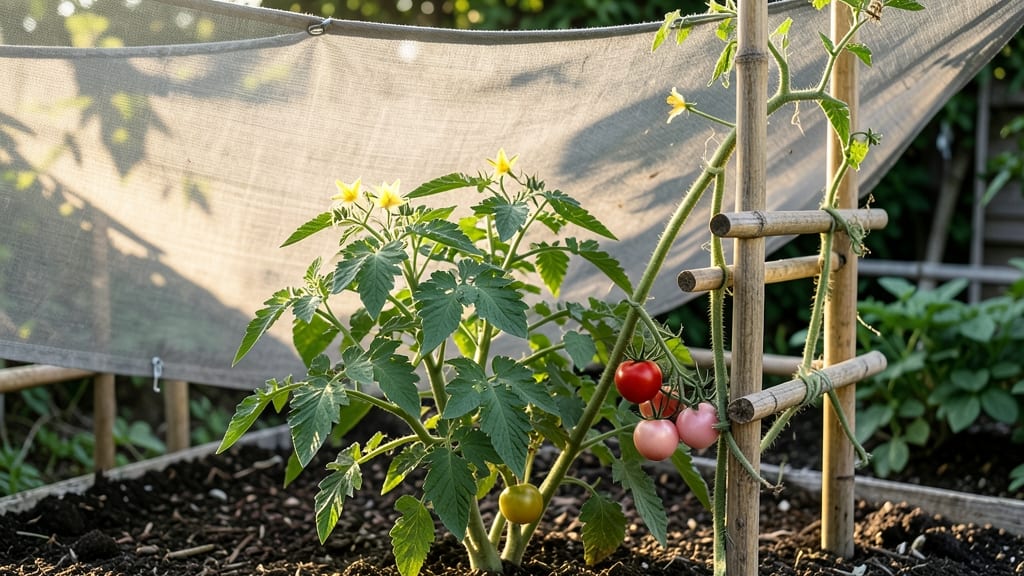
Tomato plants need shade when summer sun turns brutal—otherwise, your fruit goes from sweet to splotchy in days. 🌿 I’ve watched my tomatoes wilt under relentless afternoon heat, only to bounce back with shade cloth or a cleverly placed trellis.
The trick isn’t hiding them completely but giving them a strategic break from midday rays.
Partial shade works best—think 30-50% coverage during peak sun hours. Heat-resistant varieties like ‘Solar Fire’ or ‘Heatmaster’ handle more sun, but even they appreciate afternoon relief. Natural shade from nearby trees or a DIY shade structure (like a slatted fence) keeps temps down without blocking all light.
You’ll notice fewer sunburned leaves, better fruit set, and plants that keep growing instead of wilting. The key is balance: too much shade stunts growth, but the right amount turns your garden into a productive oasis during scorching summers.
Works for containers, raised beds, or in-ground gardens—just adjust the shade based on your climate. Let’s get those tomatoes thriving even when the sun’s too intense!
📚 In This Guide
- What you need
- Instructions
- Tips and common mistakes
- Wrapping up and next steps
What you need
- ● Shade cloth: 30-50% UV-blocking fabric (50% for hot climates, 30% for milder areas). Size: Enough to cover the plant canopy (e.g., 6’x8’ for medium-sized plants).
- ● Support structures: T-posts or stakes (4-6 per plant, 4-5 ft tall).
- ● Bamboo poles or metal hoops (for hoop tunnels).
- ● Zip ties or clothespins (to secure shade cloth).
- ● Measuring tape & scissors: For precise cutting and fitting.
- ● Staple gun or heavy-duty clips: To attach shade cloth to supports.
- ● Drip irrigation system: Keeps plants hydrated without disturbing shade setups.
- ● Reflective mulch: Aluminum foil or white plastic to deflect heat from roots.
- ● Thermometer: Monitor soil/temperature under shade (ideal: 70-85°F).
- ● Adjustable shade frames: For easy height/angle changes as plants grow.
How to protect tomato plants from excessive heat
Hot weather stresses tomatoes faster than you think—here’s how to shield them without sacrificing growth.
🌿 Step 1: Select Heat-Tolerant Varieties
Start with tomato varieties bred for heat resistance, like 'Heatmaster,' 'Solar Fire,' or 'Celebrity.' These handle temperatures up to 95°F without wilting. Check seed packets for heat tolerance ratings—avoid indeterminate types unless you’re prepared for extra shade management.
If you’re stuck with heat-sensitive varieties, opt for early-maturing types. They’ll produce fruit before summer’s peak intensity. I’ve found that even heat-loving tomatoes struggle when daytime temps hit 90°F for more than 3-4 days in a row—watch your local forecast and adjust shading accordingly.
☀️ Step 2: Position Plants Strategically
Plant tomatoes in morning sun with afternoon shade. A south-facing garden gets brutal afternoon heat—use nearby structures, fences, or temporary shade cloth to block 1-3 hours of midday sun when temperatures exceed 85°F. I like to angle shade cloth at 45 degrees for partial coverage while still allowing light to filter through.
If you’re starting from seed, place trays in a north-facing window or under 50% shade cloth until seedlings develop strong stems. Weak seedlings collapse under heat stress, and recovery is nearly impossible. Wait until nighttime temps stay above 55°F before transplanting outdoors.
🪴 Step 3: Install Temporary or Permanent Shade
For immediate relief, drape 30-50% shade cloth over tomato cages or trellises. Secure it with clips or stakes to prevent sagging. I’ve used white or silver fabric—it reflects heat better than black or green—during July-August when temps climb past 90°F. Remove it by late afternoon to allow light for evening fruit ripening.
Permanent solutions include living shade from tall sunflowers or corn planted to the north. Just ensure the shade provider doesn’t compete for water or nutrients. Mulch heavily with straw or wood chips to keep soil temps 10°F cooler than ambient air—this makes a surprising difference during heatwaves.
💧 Step 4: Adjust Watering and Soil Care
Water deeply twice daily—once in early morning and again at dusk—when temps hit 85°F. Shallow watering stresses roots, while deep soakings encourage them to grow downward where it’s cooler. Use drip irrigation to avoid wetting leaves, which can lead to fungal diseases like early blight.
Add 2-3 inches of organic mulch (straw or shredded leaves) to retain moisture and block heat from reaching the soil. I’ve seen soil temps drop 15°F with proper mulching during peak afternoon heat. Avoid synthetic mulches—they trap heat instead of insulating.
✂️ Step 5: Prune and Monitor for Stress
Prune suckers aggressively during heatwaves to reduce transpiration. A well-pruned plant directs energy to fruit production instead of leaf growth. Remove lower leaves touching the ground to improve airflow and prevent soil-borne diseases. Watch for yellowing leaves—this is your signal to increase shade immediately.
Harvest green tomatoes when they start to ripen prematurely. They’ll finish ripening indoors on a sunny windowsill. I’ve saved entire crops this way during 100°F+ heatwaves. If fruit starts cracking, reduce water slightly and provide even more shade—this prevents splitting and extends the harvest window.
Tips & tricks for protecting tomato plants in hot weather
Between us, I’ve lost more tomato crops to heat stress than I’d like to admit. Here’s what I’ve learned to keep plants thriving when temperatures climb.
Variety Matters More Than You Think: Heat-tolerant varieties like 'Heatmaster' or 'Celebrity' can handle up to 95°F without wilting, but even these struggle when temps hit 90°F for 3-4 straight days. Pay attention to seed packet ratings—indeterminate varieties need extra shade management during peak summer heat. I’ve seen heat-sensitive plants produce fruit in just 50 days when planted early, while heat-lovers take longer but reward you with bigger yields when conditions are right.
Shade Timing is Everything: The 1-3 hours of afternoon shade makes all the difference—this is when sun intensity peaks. I angle my shade cloth at 45 degrees to filter light while still allowing photosynthesis. For permanent solutions, plant sunflowers or corn to the north of your tomatoes, but space them carefully so they don’t compete for water. The key is maintaining that balance between shade and light—too much shade stunts growth, too little causes stress.
Mulching Saves More Than You’d Expect: That 2-3 inches of organic mulch isn’t just for looks—it can drop soil temperatures by 15°F during heatwaves. Straw or wood chips work best because they insulate while allowing moisture to penetrate. I’ve noticed a dramatic difference in root health when I use organic mulch versus synthetic alternatives, which actually trap heat. Apply it right after planting and refresh it every few weeks during peak summer.
Watering Wisdom: The twice-daily deep watering (morning and dusk) is non-negotiable when temps hit 85°F. Shallow watering stresses roots, while deep soakings encourage them to grow downward where it’s cooler. I’ve switched to drip irrigation exclusively—it keeps leaves dry, preventing fungal diseases like early blight that thrive in hot, humid conditions. The secret is consistency: don’t let the soil dry out between waterings, but don’t drown the plants either.
Pro Tips for Shade For Tomato Plants
- Between us, I’ve lost more tomato crops to heat stress than I’d like to admit.
- Variety Matters More Than You Think: Heat-tolerant varieties like 'Heatmaster' or 'Celebrity' can handle up to 95°F without wilting, but even these struggle when temps hit 90°F for 3-4 straight days.
- Shade Timing is Everything: The 1-3 hours of afternoon shade makes all the difference—this is when sun intensity peaks.
Frequently asked questions
about providing shade for tomato plants can help you make the best decisions for your garden. Here are some common queries and straightforward answers to keep your tomatoes thriving!When is the best time to provide shade for my tomato plants?
Provide shade during the hottest hours of the day—typically between 11 AM and 3 PM—when temperatures soar above 90°F (32°C). Use temporary shade cloth or move potted plants to a shadier spot until the sun dips lower. Avoid full-time shade, as tomatoes still need 6-8 hours of sunlight daily for optimal fruit production.
What are some alternatives to shade cloth for protecting tomato plants?
If shade cloth isn’t an option, try these natural or DIY solutions:
- Reflective mulch: Use white or silver mulch to bounce sunlight away from the soil and plants.
- Companion planting: Grow tall, fast-maturing crops (like corn or sunflowers) nearby to provide temporary shade.
- Drip irrigation + misting: Keeps plants cool while supplying moisture.
- Row covers: Lightweight fabric that filters sunlight while allowing airflow.
For potted tomatoes, move them under a trellis, pergola, or patio awning during peak heat.
How do I know if my tomato plants are getting too much shade?
Watch for these red flags:
- Slow or stunted growth (leaves stay small and pale).
- Fewer flowers or no fruit set (tomatoes need sunlight to bloom).
- Leggy, weak stems (plants stretch toward light).
If you see these signs, gradually increase sunlight exposure over a week or relocate plants to a sunnier spot. Heat-resistant varieties (like ‘Solar Fire’ or ‘Heatmaster’) tolerate more shade but still need partial sun.
Can I reuse shade cloth from year to year?
Yes! Shade cloth is durable and reusable if stored properly. After the season, clean it with mild soap and water to remove dirt or mildew, then fold and store in a dry place (like a garage or shed). Avoid folding it while damp to prevent mold. Most cloth lasts 3-5 years with good care—just check for tears or UV degradation before reuse.
Will shading tomato plants affect fruit quality or yield?
Shade can reduce yield if overused, but strategic shading improves quality in extreme heat. Fruits may grow slower but sweeter (due to less sunburn) and with fewer cracks from rapid growth. To maximize production:
- Use 30-50% shade cloth (not blackout fabric).
- Remove shade as temperatures drop (aim for 60-80°F (15-27°C) days).
- Prune lower leaves to improve airflow and sunlight penetration.
Heat-resistant varieties handle shade better than standard types.
Wrapping up and next steps
Providing the right shade for tomato plants can make all the difference in your garden’s success—especially in hot climates! 🌿 Whether you’re using shade cloth, companion plants, or strategic placement, these solutions help protect your tomatoes from sunscald, heat stress, and overripening.
With the right variety and care, you’ll enjoy a bountiful harvest of juicy, flavorful tomatoes all season long.
Ready to put your new knowledge into action? Start by assessing your garden’s sunlight exposure and choose the best shade solution for your tomatoes. Happy gardening—your future meals will thank you! 🍅✨