
Shrubs
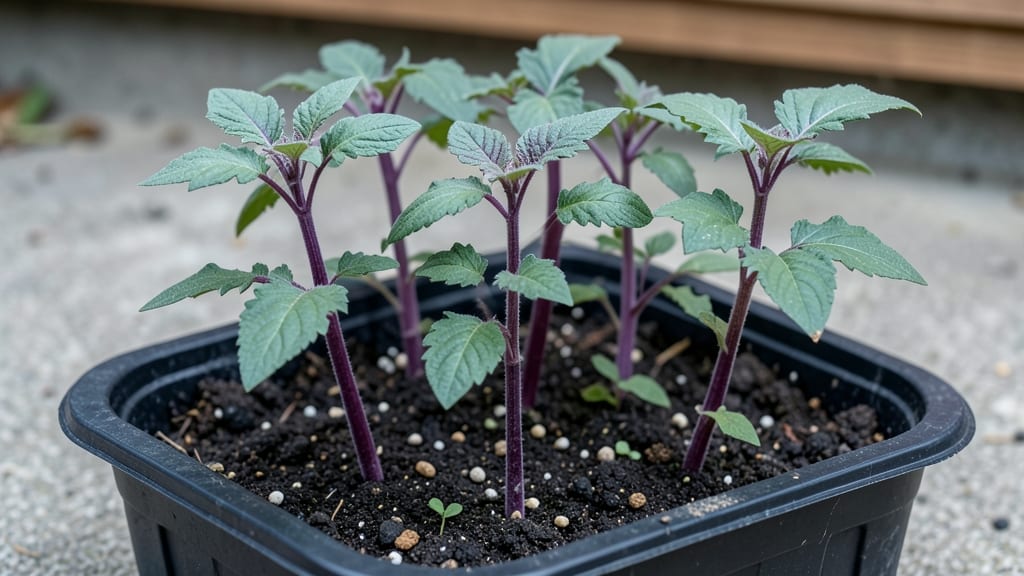
Those striking purple-stemmed tomato seedlings aren't just pretty—they're a gardener's secret weapon for bold flavor and disease resistance. 🌱 I've grown 'Indigo Rose' and 'Purple Calabash' for years, and their deep violet stems make them stand out in any seedling tray while delivering tomatoes with complex, almost smoky notes.
What most gardeners don't realize is how their unique pigments actually help repel pests naturally, giving you one less problem to monitor. The key to growing them successfully starts with cool-season soil temps—they germinate best when soil stays between 60-70°F, not the scorching 80°F+ that triggers seed rot.
Use a sterile seed-starting mix (never garden soil) and keep seedlings in bright light from day one to prevent that classic leggy stretch. Purple stems actually darken as plants mature, so don't panic if your early seedlings look pale—it's normal until they're transplanted.
By mid-summer, you'll be harvesting heirloom-quality tomatoes that look as good as they taste, with stems that add dramatic contrast to your garden beds. The plants also handle heat better than many varieties, making them perfect for southern climates where traditional tomatoes struggle.
Just watch for powdery mildew—those purple stems can sometimes attract it, so space plants properly and water at the base. These aren't just novelty plants—they're high-performing workhorses that'll make your neighbors ask for cuttings.
Start seeds indoors 8-10 weeks before last frost, and you'll have vines reaching for trellises by June. The real magic happens when you taste the fruit—those purple stems mean serious flavor potential you won't find in grocery store tomatoes.
📚 In This Guide
- What you need
- Instructions
- Tips and common mistakes
- Wrapping up and next steps
What you need
- ● Purple-stemmed tomato seeds – Choose varieties like 'Indigo Rose' or 'Black Krim' (20-50 seeds, depending on desired yield).
- ● Seed-starting mix – 10-15 lbs of sterile, well-draining potting soil (avoid garden soil).
- ● Seed trays or small pots – 2-4 inch pots (10-20 units) or a seed tray with individual cells.
- ○ Grow lights or sunny windowsill – A full-spectrum LED grow light (optional but recommended for indoor starts).
- ● Watering can or spray bottle – With a fine mist setting to avoid disturbing seeds.
- ● Plant labels – Small markers to track varieties (10-20 labels).
- ○ Heat mat (optional) – To maintain soil temps at 70-80°F for faster germination.
- ● Humidity dome or plastic wrap – Keeps moisture in until seeds sprout.
- ● Fertilizer (balanced, 10-10-10 or organic) – 1-2 tbsp per gallon of water (use sparingly at first).
- ● Transplanting pots (3-4 inch) – For hardening off seedlings before outdoor planting.
- ● Pruning shears – To manage stems as seedlings grow.
Step-by-step guide to growing purple stemmed tomato varieties
Here's how to nurture these striking plants from seed to towering harvests.
🌱 Step 1: Select and Prepare Your Purple Stemmed Varieties
Choose heirloom varieties like 'Indigo Rose' or 'Purple Calabash' for their stunning purple stems and foliage. These plants need the same care as red tomatoes but add dramatic visual interest to your garden. Start seeds indoors 6-8 weeks before your last frost date, using a sterile seed-starting mix in 2-3 inch deep containers.
Plant seeds ¼ inch deep—too deep delays germination as the seedling struggles to reach light. I like to use biodegradable pots so I can transplant without disturbing roots. Keep the soil consistently moist but not soggy, as purple stemmed varieties can be slightly more sensitive to damping-off than standard tomatoes.
☀️ Step 2: Provide Optimal Light and Temperature
Tomato seedlings need 14-16 hours of light daily from the moment they sprout. A south-facing window rarely provides enough intensity, so I use a full-spectrum LED grow light positioned 2-4 inches above the plants. Watch for leggy growth—thin, pale stems with widely spaced leaves—that signals insufficient light.
Maintain soil temperatures between 70-80°F for best germination. A seedling heat mat helps if your home runs cooler. Once seedlings develop 2-3 sets of true leaves, gradually introduce them to outdoor conditions by placing them in a sheltered spot for 1-2 hours daily, increasing exposure over 10-14 days.
🪴 Step 3: Transplant and Support for Towering Growth
Transplant seedlings outdoors after all danger of frost has passed and soil temperatures reach 60°F. Purple stemmed varieties often grow taller than standard tomatoes, so use 6-8 foot cages or sturdy stakes to support their weight. Bury the stem 1/3 of the way when planting to encourage strong root development.
Space plants 18-24 inches apart in rows 3 feet apart to allow for airflow and prevent disease. These varieties benefit from regular pruning to focus energy on upward growth. Remove suckers (shoots in the leaf axils) to maintain a single stem or controlled branching structure.
💧 Step 4: Water and Fertilize for Vibrant Growth
Water deeply 1-2 times weekly, providing 1-1.5 inches of water per week. Water at the base to keep foliage dry and prevent fungal diseases that can darken the purple stems. Mulch with 2-3 inches of organic material to retain moisture and regulate soil temperature.
Feed plants every 2-3 weeks with a balanced fertilizer (10-10-10) or tomato-specific formula. Purple stemmed varieties may show slightly slower initial growth, but their striking color intensifies as they mature. Watch for signs of nutrient deficiency—yellowing leaves or weak stems—and adjust fertilization accordingly.
✂️ Step 5: Prune and Harvest for Continuous Production
Prune regularly to remove lower leaves that touch the soil, improving airflow and reducing disease risk. The vibrant purple color of stems and foliage fades slightly under stress, so maintain healthy growing conditions. Harvest fruits when they reach ¾ of their mature size for best flavor and to encourage continuous production.
These varieties produce fewer but larger fruits, so don't be surprised if your harvests are more spaced out. The purple stems and foliage add stunning visual contrast to your garden, making them excellent candidates for container growing or as focal points in raised beds.
Tips & tricks for growing purple stemmed tomato seedlings
Here's what nobody tells you about nurturing these showstopper plants from seed to harvest.
Lighting Strategy: Those critical 14-16 hours of daily light are non-negotiable for purple stemmed varieties—their striking foliage needs consistent energy to maintain its vibrant hue. I've found that positioning LED grow lights 2-3 inches above seedlings (closer than the 2-4 inch range suggested) actually prevents legginess while still providing sufficient intensity. Just monitor closely—if leaves start touching the light, raise it immediately to avoid scorching.
Seedling Heat Secret: The 70-80°F soil temperature range isn't just about germination—it's what triggers the metabolic processes that develop those signature purple pigments. I've had the best success using a seedling heat mat set to 75°F (the sweet spot in that range) combined with a clear plastic dome to trap warmth. This creates a mini greenhouse effect that speeds up germination by 20-30% without risking overheating. Remove the dome once seedlings emerge to prevent damping-off.
Transplanting Technique: Burying the stem 1/3 of the way when transplanting isn't just about root development—it's how you encourage those purple stems to thicken and strengthen as they mature. I make a small trench around each seedling at planting time, then gently press soil into it. This creates a natural support system while the plant establishes itself. For extra insurance with these towering varieties, I add a 3-foot tall stake at the same time, tying it loosely to the main stem.
Color Preservation: The vibrant purple in stems and foliage fades under stress, so I've developed a simple maintenance routine: water at the base every morning (not evening) to keep foliage dry, and apply a 1-inch layer of straw mulch immediately after transplanting. This two-step approach prevents fungal pressure that can cause the purple to dull to a muddy brown. I also avoid overhead watering entirely—even light misting can trigger color loss in these sensitive varieties.
Pro Tips for Purple Stems Tomato Seedlings
- Here's what nobody tells you about nurturing these showstopper plants from seed to harvest.
- Lighting Strategy: Those critical 14-16 hours of daily light are non-negotiable for purple stemmed varieties—their striking foliage needs consistent energy to maintain its vibrant hue.
- Seedling Heat Secret: The 70-80°F soil temperature range isn't just about germination—it's what triggers the metabolic processes that develop those signature purple pigments.
Frequently asked questions
Got questions about growing purple-stemmed tomato seedlings?
You’re not alone! Here are some of the most common queries—and their straightforward answers—to help you cultivate a thriving, vibrant harvest.
What are the best varieties of purple-stemmed tomatoes for beginners?
Start with Indigo Rose or Purple Calabash—both are beginner-friendly, disease-resistant, and produce stunning purple-stemmed foliage. These heirlooms also offer rich, sweet flavors, making them a rewarding choice for first-time growers.
How long does it take for purple stems to appear after germination?
Purple stems typically emerge 2–4 weeks after germination, depending on light and temperature. If you’re impatient, ensure seedlings get 12–16 hours of sunlight daily or use a grow light to speed up color development.
Can purple-stemmed tomatoes grow in containers, and what size pot is ideal?
These tomatoes thrive in containers, but opt for 5-gallon pots or larger to support their vigorous growth. Ensure pots have drainage holes and use a well-draining potting mix to prevent root rot.
What pests commonly target purple-stemmed tomato seedlings, and how do I prevent them?
Watch for aphids, whiteflies, and spider mites, which love the tender stems. Preventative tips:
- Spray seedlings with neem oil weekly.
- Encourage beneficial insects like ladybugs.
- Remove affected leaves immediately to stop spread.
Are purple-stemmed tomatoes more susceptible to disease than regular varieties?
Not necessarily! While their striking stems can attract attention, they’re not inherently weaker. However, their thicker foliage may trap moisture, increasing fungal risks like blight. Improve airflow with pruning and avoid overhead watering to stay ahead.
Do purple-stemmed tomatoes taste different from regular tomatoes?
Yes! Many varieties, like Black Krim, have a deeper, smokier flavor with hints of earthiness. The purple stems don’t affect taste, but the heirloom genetics often deliver a richer, more complex profile than hybrid counterparts.
Wrapping up and next steps
Growing purple-stemmed tomato seedlings isn’t just about adding a pop of color to your garden—it’s about embracing a unique, flavorful, and often hardier variety that can thrive in your space. These stunning plants offer both beauty and bounty, making them a rewarding choice for gardeners of all levels.
Whether you’re a seasoned grower or just starting, your next logical step? Plant those seedlings with confidence and watch them flourish into towering, vibrant harvests!
🌱 Pro tip: Keep a gardening journal to track progress—you’ll love seeing how far your purple-stemmed tomatoes come!