
Plants
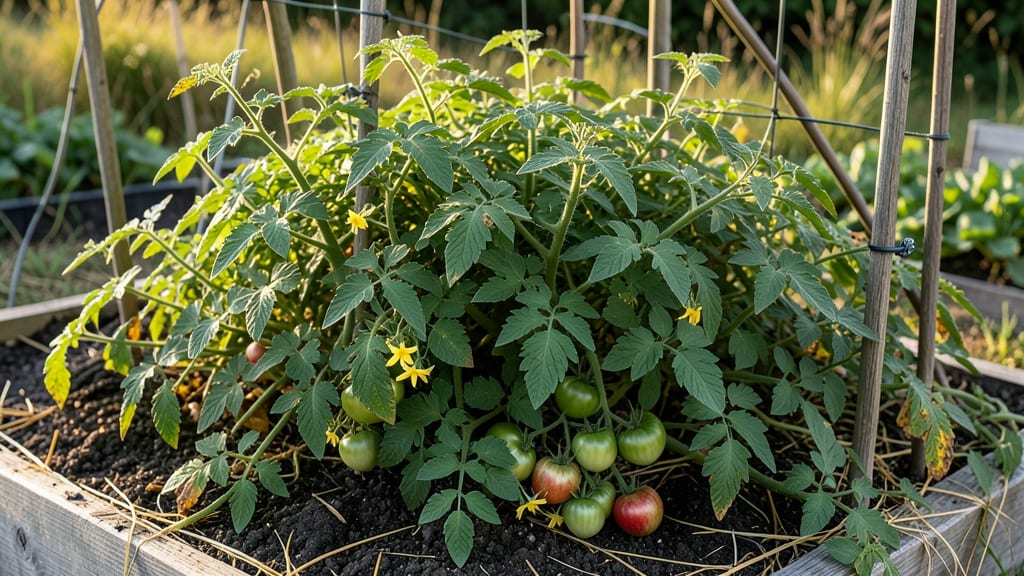
When the overgrown tomato plants grow wild instead of producing, it’s time to prune and train them for a bigger harvest. 🌱 Last summer, my sprawling vines were more jungle than garden—until I learned the simple cuts that redirected energy to fruit instead of foliage.
The difference between a tangled mess and a productive plant often comes down to a few strategic snips at the right time.
Overgrown tomato plants happen when they focus on leafy growth instead of flowering. Too much shade, overwatering, or lack of support can send plants into overdrive, producing lush foliage but few tomatoes. The fix?
Prune aggressively at the start, then maintain with regular trims to keep energy flowing to the fruit clusters. You’ll see stronger stems, better air circulation, and—most importantly—a surge of ripe tomatoes by midseason.
Start by removing suckers (those little shoots in the leaf axils) and any yellow or diseased leaves. Use clean shears to make cuts just above a leaf node, and always prune in the morning when the plant is dry.
Within weeks, you’ll notice new growth focusing on fruit production rather than wild vines. The key is balance: prune enough to open up the plant, but not so much that you stress it.
This method works for indeterminate varieties like Roma and Beefsteak, which grow continuously. For determinate types (like Celebrity tomatoes), minimal pruning keeps plants compact. Either way, your garden will go from chaotic to productive in no time. Let’s get those plants back on track!
Root Causes of Unruly Growth
Overgrown tomato plants aren’t just a nuisance—they’re a sign your plants are reacting to their environment in predictable (but sometimes frustrating) ways. Understanding the why behind their rampant growth helps you take control and steer them toward productivity.
Let’s break down the key factors that turn your tomato plants into jungle vines instead of fruit-bearing machines.
---
Tomatoes thrive in warmth, but too much of a good thing can trigger uncontrolled vegetative growth. When exposed to long, hot days (especially over 90°F/32°C), plants prioritize leaf production over fruit development. Here’s why:
- Photosynthesis Overdrive: Extra sunlight floods the plant with energy, but without proper pruning or training, that energy goes into shoots and leaves instead of flowers and fruit. - Ethylene Hormone Imbalance: Heat stress disrupts ethylene production (a hormone that triggers flowering).
Instead, the plant ramps up auxin, a growth hormone that promotes stem elongation and leafy sprawl. - Water Competition: Hotter conditions increase transpiration (water loss), forcing roots to work harder. Plants respond by growing more foliage to capture sunlight for photosynthesis—even if it means sacrificing fruit.
Actionable Insight: If your plants are leggy and leafy with few tomatoes, they’re likely starving for balance. Shade cloth (30-50%) during peak afternoon sun can help, as can pruning to open the canopy for better airflow and light penetration to lower leaves.
---
Water is life for tomatoes, but too much of it sends a dangerous signal: "Grow fast—you’ve got plenty to drink!" Here’s how excess moisture fuels overgrowth:
- Root Suffocation: Waterlogged soil starves roots of oxygen, forcing them to spread wider and faster to seek nutrients.
The plant responds by shooting up to escape the soggy mess. - Weak Structural Support: Overwatered plants develop soft, floppy stems that can’t support their own weight, leading to prostrate growth (think: plants sprawling like vines). - Fungal Feasts: Excess moisture invites blight and mold, which stress the plant further.
In survival mode, tomatoes prioritize leafy growth to maximize photosynthesis and outpace disease.
Actionable Insight: Check your soil’s moisture level with your finger—top 1-2 inches should dry out between waterings. If your plants are yellowing or wilting despite wet soil, drainage is the issue. Raise beds, add compost, or install French drains if needed.
---
Tomatoes are heavy feeders, but too much of the wrong nutrient sends them into growth steroids. The culprit? Excess nitrogen (N).
- Leafy Gremlins: Nitrogen is the "go" hormone for foliage. Too much = lush leaves, tiny flowers, and zero tomatoes.
Plants prioritize vegetative growth over reproductive growth when nitrogen is abundant. - Delayed Flowering: High nitrogen suppresses flowering hormones (like florigen), keeping plants in "grow mode" instead of "fruit mode." - Weak Roots: While leaves flourish, root development stalls, leaving the plant unable to support its own weight—or produce fruit.
Actionable Insight: Test your soil’s NPK ratio (N-P-K). For tomatoes, aim for a balanced 5-10-10 or 10-10-10 fertilizer early on, then switch to a low-nitrogen, high-phosphorus (5-10-10 or 3-4-6) feed once flowers appear. Compost tea or fish emulsion can also help without overloading nitrogen.
--- Tomatoes naturally grow like weeds—they’re part of the nightshade family, after all! Without human intervention, they’ll sprawl, tangle, and focus on survival rather than fruit production.
- Indeterminate vs. Determinate: Indeterminate varieties (like 'Sungold' or 'Cherry Roma') keep growing until frost, producing endless vines if unchecked.
Determinate types (like 'Celebrity') bush out but still benefit from light pruning to improve airflow. - Energy Drain: Every extra shoot or sucker competes for the plant’s energy.
Without pruning, tomatoes waste resources on unnecessary growth instead of developing flowers and fruit. - Disease Hotspots: Dense foliage traps humidity, creating the perfect breeding ground for blight, powdery mildew, and bacterial spots. Stressed plants grow wildly to escape these conditions.
Actionable Insight: Prune regularly—remove suckers (the shoots that grow between the main stem and branches) and yellowing leaves. For indeterminates, train vines on a cage, trellis, or stakes to direct growth upward. Pro Tip: Prune in the morning so wounds can heal in daylight.
--- Tomatoes hate competition. When planted too closely or surrounded by other plants, they fight for sunlight, water, and nutrients—and the loser is your harvest.
- Resource Wars: Overcrowded plants stretch and lean toward any available light, leading to weak, spindly growth and smaller fruit. - Airflow Struggles: Poor spacing traps moisture, increasing the risk of fungal diseases like early blight.
Plants respond by growing faster and wilder to outpace decay. - Root Bound: When roots can’t spread, the plant sends up more shoots in a desperate bid to access resources above ground.
Actionable Insight: Space indeterminate tomatoes 18-24 inches apart and determinate types 24-36 inches apart. If you’re in a small garden, use vertical growing (trellises, espalier) to maximize space. Mulch heavily (straw or grass clippings) to suppress weeds and retain moisture without overwatering.
--- Not all tomatoes are created equal—and some naturally grow like monsters. Here’s how genetics play a role:
- Indeterminate vs. Determinate: - Indeterminate varieties (e.g., 'Brandywine', 'Solar Fire') keep growing and producing until frost, leading to tall, sprawling vines if unchecked. - Determinate types (e.g., 'Roma', 'Patio') set fruit all at once and stop growing, but they still benefit from light pruning to improve yield. - Hybrid vs. Heirloom: Some hybrids (like 'Super Sweet 100') are bred for high yield but may grow aggressively without training.
Heirlooms (like 'Black Krim') can be more compact but may need staking to prevent sprawl.
Actionable Insight: Choose the right variety for your space and climate. If you’re short on room, opt for bush or dwarf varieties (e.g., 'Tiny Tim', 'Micro Tom'). For vertical gardens, indeterminate types thrive on trellises—but prune religiously!
--- When tomatoes are under siege, they shift into survival mode, focusing on leafy growth to photosynthesize faster and outgrow threats.
- Sap-Sucking Pests: Aphids, whiteflies, and spider mites weaken plants by draining sap. The tomato responds by producing more leaves to compensate for lost energy. - Fungal Infections: Diseases like early blight or powdery mildew clog stomata (leaf pores), reducing photosynthesis.
The plant grows more leaves to maximize light capture. - Root Damage: Grubs, nematodes, or overzealous watering can damage roots, forcing the plant to shoot up to access sunlight above ground.
Actionable Insight: Monitor plants weekly for pests (check undersides of leaves!). Use neem oil or insecticidal soap for soft-bodied pests. For fungal issues, remove infected leaves immediately and space plants for airflow. Crop rotation can also break disease cycles.
Fixing Overgrown Tomato Vines
When your tomato plants stretch taller than your expectations, it’s time to take action—before they turn into unruly jungle vines instead of productive harvesters. The good news? With the right techniques, you can prune, train, and restore your plants to their peak performance.
Below, we’ll tackle the most common causes of overgrowth and provide practical, step-by-step solutions to bring your tomatoes back into shape.
---
Cause: Too many suckers (side shoots) or dense foliage block sunlight and air circulation, leading to weak growth and disease.
How to Fix It: 🔥 Prune Aggressively (But Strategically) - Use clean, sharp pruning shears (or your fingers for small suckers) to remove suckers that grow between the main stem and branches. - Focus on the lower third of the plant—these suckers drain energy from fruit production. - Trim yellow or diseased leaves immediately to prevent spread.
🍳 Thin the Canopy for Better Airflow - Strip away overlapping leaves to ensure sunlight reaches the lower fruit. - Aim for a balanced shape—think "open vase" rather than a dense bush.
💡 Pro Tip: If your plant is indeterminate (vining), prune every 2–3 weeks to encourage upward growth and fruit set.
---
Cause: Stretched, weak stems (called "legginess") happen when plants don’t get enough sunlight, water, or nutrients.
How to Fix It: 👨🍳 Boost Light Exposure - Move potted plants to a sunnier spot (6+ hours of direct sunlight daily). - If indoors, use grow lights 12–16 hours/day to compensate.
🌡️ Adjust Watering & Fertilizing - Water deeply but less frequently—overwatering causes weak stems. Aim for 1–1.5 inches per week. - Fertilize with a balanced formula (10-10-10 or tomato-specific feed) every 2–3 weeks to encourage sturdy growth.
🎯 Support with Cages or Trellises - Install sturdy tomato cages or stakes immediately if not already done. - Gently tie vines to supports with soft plant ties (avoid wire—it can cut stems).
✨ Pro Tip: If your plant is too tall to support, prune the top 1–2 feet to redirect energy to lower branches.
---
Cause: Indeterminate tomatoes (like 'Sungold' or 'Beefsteak') keep growing unless guided.
How to Fix It: 🔪 Top the Plant (Stop Vertical Growth) - Cut the topmost set of leaves (just above a flower cluster) to halt excessive height. - This forces energy into fruit production rather than endless vines.
⏰ Prune in Stages - Early season: Remove suckers to shape the plant. - Mid-season: Prune only non-fruiting branches to avoid stress. - Late season: Let lower branches grow for extra harvests.
💡 Pro Tip: If your plant is too tall for your space, prune the main stem and encourage lateral branches for bushier growth.
---
Once you’ve tamed your overgrown tomato plants, keep them in check with these habits: - Start with dwarf or determinate varieties if space is limited. - Use reflective mulch (like aluminum foil) to increase light penetration. - Rotate crops annually to prevent soil depletion. - Monitor growth weekly—early pruning = less stress on the plant.
--- By pruning strategically, supporting properly, and adjusting care, your overgrown tomato plants will rebound with stronger stems, more flowers, and a bountiful harvest—without the jungle-like chaos. 🍅✂️
Frequently asked questions
How do I know if my tomato plant is overgrown?
Look for tall, leggy vines with more leaves than fruit clusters, sprawling growth that blocks sunlight, or stems that can't support their own weight. Healthy plants should have a balanced ratio of foliage to fruit—if you see 10 leaves per tomato, it's time to prune. Also check for yellowing leaves or weak stems, which are red flags.
Can I prune my tomato plants too much?
Yes! Removing more than 1/3 of the plant's foliage at once can stress it and reduce yields. For indeterminate varieties, limit pruning to 2-3 weeks between sessions. Never prune more than 1/4 of the plant in a single session, and always leave some leaves on lower branches to support photosynthesis for developing fruit.
What's the difference between pruning indeterminate vs. determinate tomatoes?
Indeterminate varieties (like 'Sungold') need regular pruning to control height and direct energy to fruit, while determinate types (like 'Roma') produce all their fruit at once and rarely need pruning. For indeterminates, remove suckers and lower leaves to improve airflow. For determinates, just trim dead/diseased leaves—no aggressive pruning needed.
When is the best time to prune overgrown tomato plants?
Prune in the morning when plants are dry and wounds can heal quickly in daylight. Avoid pruning late in the day or during hot afternoons, as this increases stress. For indeterminates, start pruning when plants reach 18-24 inches tall, and continue every 2-3 weeks through the season.
Will pruning my tomato plants actually increase my harvest?
Proper pruning redirects energy from excessive foliage to fruit production. Studies show well-pruned indeterminate plants can yield 20-30% more tomatoes than unpruned ones. The key is removing non-fruiting branches while maintaining enough leaves for photosynthesis—aim for 3-4 main stems with 6-8 leaves per stem.