
Vegetables
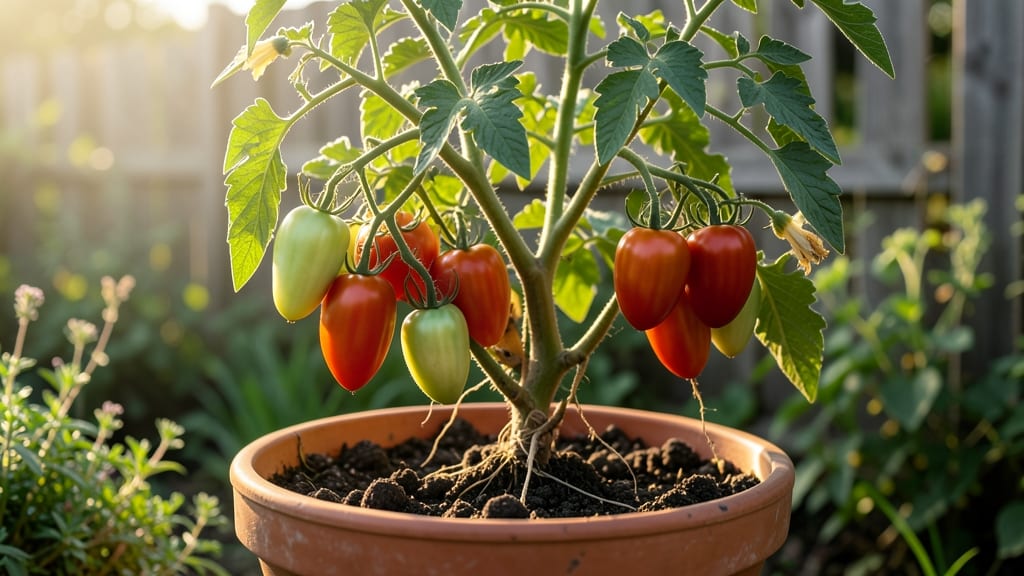
Growing oblong tomato types like Roma or San Marzano delivers restaurant-quality sauce from your own garden. 🌱 These beefsteak-shaped tomatoes pack intense flavor and thick flesh—perfect for crushing, canning, or slicing—when you give them the right support, soil, and care.
The key to their success lies in sturdy cages or trellises to handle their heavy fruit load, well-draining soil rich in compost, and consistent watering that keeps roots moist but never soggy.
Unlike slicing tomatoes, these varieties prioritize meaty texture over juiciness, so pruning to focus energy on fewer, larger fruits makes all the difference. By mid-summer, you'll be harvesting bushels of deep-red, meaty tomatoes that transform into velvety sauces or chunky salsas with minimal effort.
The plants reward careful pruning with heavier yields and fewer disease issues than their round counterparts. Works equally well in raised beds or in-ground plantings, though container growers should choose dwarf varieties like 'Tumbling Tom.' Here's how to get started!
📚 In This Guide
- What you need
- Instructions
- Tips and common mistakes
- Wrapping up and next steps
What you need
- ● Seeds or seedlings: 3–6 oblong tomato variety plants (e.g., 'Roma,' 'Plum,' or 'San Marzano'). Start from seeds 6–8 weeks before the last frost or buy healthy transplants.
- ● Growing containers or garden bed: For containers: 5-gallon pots or larger (1 plant per container). Ensure pots have drainage holes.
- ● For garden beds: Well-draining soil in a sunny spot (6+ hours of sunlight daily). Space plants 18–24 inches apart.
- ● Support system: 3–4 ft cages or trellises per plant (oblong types need sturdy support!).
- ● Soft garden twine or plant ties to secure vines.
- ● High-quality potting mix or compost: 1–2 bags of organic, well-draining soil mix (add perlite or vermiculite for aeration).
- ● Fertilizer: Balanced tomato fertilizer (e.g., 10-10-10 or 5-10-10) or compost (rich in nitrogen early, phosphorus later).
- ○ Optional: Epsom salt (1 tbsp per plant monthly for magnesium).
- ● Hand trowel or transplanting spade for planting.
- ● Watering can or hose with gentle nozzle (avoid wetting leaves to prevent disease).
- ● Pruning shears for trimming suckers and dead leaves.
- ● Mulch (straw or shredded leaves) to retain moisture and suppress weeds.
- ○ pH test kit (optional but helpful—ideal soil pH: 6.0–6.8).
- ○ Row covers or shade cloth (optional, for early-season frost protection).
How to grow vine-supported giant oblong tomatoes
These towering varieties need proper support to handle their massive fruit loads—here's how to coax them to full potential.
🌱 Step 1: Select the Right Varieties and Planting Site
Oblong tomato types like 'Brandywine', 'Cherokee Purple', and 'Black Krim' thrive in deep, well-drained soil with full sun exposure (8+ hours daily). Choose a location sheltered from strong winds that could snap their heavy vines. I always test soil pH first—these varieties prefer a range of 6.0-6.8 for optimal nutrient uptake.
Amend heavy clay soil with 2-3 inches of compost worked into the top 12 inches of soil. The goal is loose, crumbly soil that allows roots to spread easily. If your soil drains poorly, add a layer of coarse sand or perlite to improve aeration. These tomatoes need space—plant 3-4 feet apart in rows 4 feet apart to accommodate their sprawling growth habit.
☀️ Step 2: Install Sturdy Support Structures Early
Don't wait until vines are heavy with fruit to install supports—these tomatoes need 8-10 feet of vertical space. I use a combination of heavy-duty tomato cages (6 feet tall) and wooden trellises for extra stability. Bury the base of any support structure 1 foot deep and anchor it with stakes or concrete weights to prevent toppling.
For the trellis system, I weave ¼-inch thick twine in a crisscross pattern every 12 inches up the structure. This creates multiple points for tying vines as they grow. The key is to start training vines early—when plants reach 18 inches tall, begin gently weaving them through the twine to encourage upward growth rather than sprawling.
💧 Step 3: Water Deeply and Maintain Consistent Moisture
Oblong tomato varieties develop deep root systems, so watering must reach 12-18 inches deep. I install drip irrigation lines buried 2 inches deep along planting rows to deliver water directly to the root zone. Water 2-3 times per week during dry periods, delivering 1-2 gallons per plant each time until the soil 12 inches down feels moist.
Never let these plants wilt—their massive fruit load requires constant hydration. You'll know you're watering correctly when the soil surface looks slightly dry but the top 6 inches remain consistently moist. Mulch with 3-4 inches of straw or wood chips to retain moisture and prevent soil-borne diseases from splashing onto leaves during watering.
✂️ Step 4: Prune Strategically for Airflow and Fruit Production
Regular pruning prevents disease and directs energy to fruit production. When plants reach 3 feet tall, begin removing suckers (side shoots in leaf axils) that form between the main stem and branches. I leave 2-3 main stems per plant to support the heavy fruit load—more stems create weak, overloaded branches.
Remove lower leaves that touch the ground to improve airflow and reduce disease risk. You'll see the plant's natural growth pattern emerge as you prune—strong stems develop at 12-inch intervals along the main vine. Always prune with clean, sharp shears in the morning when plants are dry to prevent bacterial entry through cuts.
🌿 Step 5: Fertilize for Heavy Fruit Production
These varieties are prolific but need consistent feeding. Start with a balanced 10-10-10 fertilizer at planting time, applying 1 tablespoon per plant worked into the soil. When flowers appear, switch to a low-nitrogen, high-phosphorus fertilizer (5-10-10) to encourage fruiting. I apply this every 3-4 weeks during the growing season.
Watch for signs of nutrient deficiency—yellowing lower leaves indicate nitrogen needs, while small or misshapen fruit suggests phosphorus deficiency. Organic options like compost tea or fish emulsion work well too. The goal is to maintain steady growth without excessive leafy vegetation that competes with fruit production. You'll know you're on track when plants produce 2-3 new leaves per week while developing heavy fruit clusters.
Tips & tricks for growing towering vine-supported tomatoes
These varieties demand extra care—but once you master these key strategies, you'll be rewarded with fruit so massive they'll impress even veteran gardeners.
Soil Preparation Secret: The 12-inch deep compost amendment in Step 1 isn't just about nutrients—it creates the perfect loose, crumbly texture these heavy vines need. I've found that adding 1 part perlite to 3 parts compost in heavy clay soil creates an ideal root environment. The perlite prevents compaction while the compost provides slow-release nutrients. For sandy soils, reduce perlite to 1 part to 4 parts compost to retain moisture better.
Support System Game-Changer: When installing your 8-10 foot trellis in Step 2, don't skimp on the 1-foot deep burial for stability. I've seen many gardeners rush this step, only to have their entire structure topple under the weight of mature fruit. For extra security in windy areas, add two diagonal support wires between your main trellis posts—this creates a diamond shape that distributes weight more evenly. Start training vines at the 18-inch mark as instructed, but use soft jute twine instead of plastic—it's gentler on young stems and biodegradable.
Watering Precision: The 2-3 times per week guideline in Step 3 works perfectly in most climates, but I've learned to adjust based on soil type. For sandy soils, water daily during hot spells to maintain that 12-inch deep moisture—sand drains too quickly to rely on the standard schedule. Use a soil moisture meter to verify moisture levels at both 6 inches (surface) and 12 inches (root zone). The meter should read consistently moist at 12 inches while the surface can dry slightly between waterings. This prevents both underwatering and overwatering, which can lead to blossom-end rot.
Pruning Strategy: When you reach the 3-foot pruning stage in Step 4, focus on removing suckers that appear in the upper third of the plant first—these compete most directly with your main fruit-bearing stems. I've found that leaving 2-3 main stems creates the perfect balance between yield and structural integrity. For the 12-inch intervals mentioned, think of them as "growth zones"—each should have 1-2 strong branches with 3-4 fruit clusters. This spacing prevents overcrowding that leads to disease. Always prune just above a leaf node to encourage new growth from that point.
Pro Tips for Oblong Tomato Type
- These varieties demand extra care—but once you master these key strategies, you'll be rewarded with fruit so massive they'll impress even veteran gardeners.
- Soil Preparation Secret: The 12-inch deep compost amendment in Step 1 isn't just about nutrients—it creates the perfect loose, crumbly texture these heavy vines need.
- Support System Game-Changer: When installing your 8-10 foot trellis in Step 2, don't skimp on the 1-foot deep burial for stability.
Frequently asked questions
Got questions about growing or working with oblong tomato types? You're not alone! Here are some of the most common queries—and their answers—to help you cultivate (or enjoy) these vine-supported giants like a pro.
What’s the best way to support oblong tomato vines for heavy fruit?
Use a sturdy cage (5+ ft tall) or trellis to prevent breakage. Oblong varieties like ‘Brandywine’ or ‘Cherokee Purple’ produce heavy fruit, so tie vines to the support every 12–18 inches with soft cloth or plant ties. Avoid wire, which can damage stems. Pro tip: Add a second support mid-season if branches sag under weight!
How long does it take for oblong tomatoes to bear fruit?
Expect 70–90 days from transplanting to first harvest, depending on the variety and climate. Oblong types (e.g., ‘Black Krim’) often take slightly longer than cherry tomatoes but reward patience with massive, flavorful fruits. Start seeds indoors 6–8 weeks before your last frost date for optimal timing.
Can I grow oblong tomatoes in containers, or do they need a garden bed?
Yes! Choose a 5-gallon+ container with drainage holes and a balanced fertilizer (like 10-10-10). Dwarf oblong varieties (e.g., ‘Patio Princess’) thrive in pots, but larger types need deep soil (18+ inches) and regular pruning to avoid root-bound stress. Troubleshoot: If fruits crack, ensure consistent watering (drip irrigation helps!).
Why are my oblong tomatoes cracking, even though I’m watering them?
Cracking is common in heirloom oblong types due to uneven water absorption. Keep soil consistently moist (not soggy) and mulch to retain humidity. If cracks appear, harvest fruits early (they’re still edible!) and reduce water slightly before ripening. Prevent it: Prune lower leaves to improve airflow and avoid overhead watering.
What’s a good oblong tomato alternative if I want something easier to grow?
If oblong tomatoes feel high-maintenance, try ‘Sungold’ (cherry) or ‘Celebrity’ (slicing)—both are disease-resistant and prolific. For a similar shape but simpler care, ‘Roma’ (plum) tomatoes are great for sauces and handle heat well. Oblong fans swear by ‘Pruden’s Purple’ for a balance of flavor and manageability!
Wrapping up and next steps
Growing oblong tomato types is a rewarding journey for any gardener—these vine-supported giants deliver heavy harvests and bold, flavorful fruit that’ll impress even the pickiest eaters! 🌱 With the right support, soil, and care, you’re well on your way to turning your garden into a tomato powerhouse.
Now’s the perfect time to plant those seeds or transplant seedlings—so roll up your sleeves, get growing, and enjoy the delicious (and satisfying!) results!
Next step: Start your oblong tomato adventure today—whether it’s building trellises, choosing the best varieties, or troubleshooting early challenges. Happy gardening! 🌿