Planting
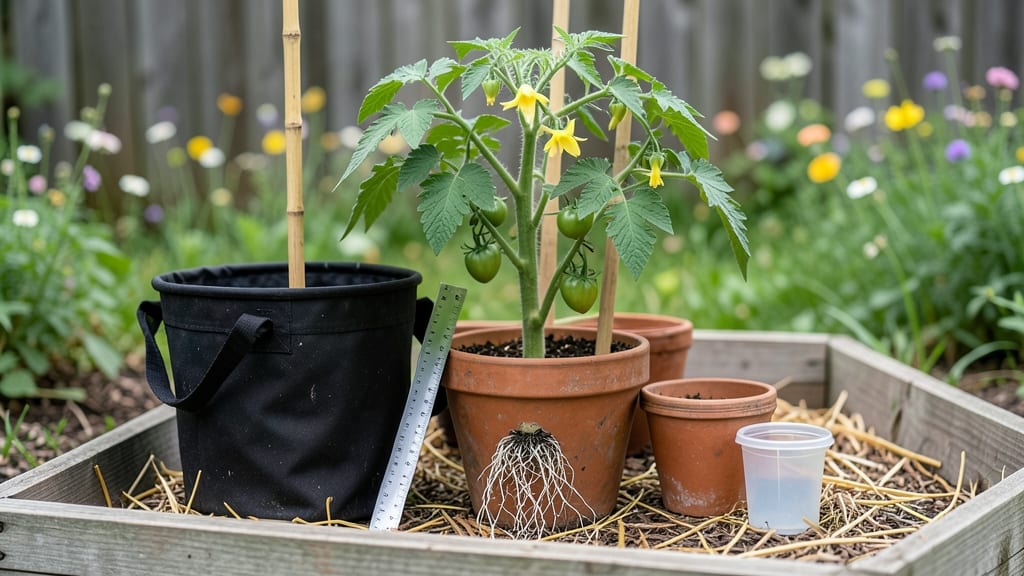
A 5-gallon pot is the minimum size for a tomato plant 🍅 to thrive, giving its roots the space they need to support heavy vines and fruit.
Struggling to keep your tomato plants healthy in containers? The right pot size makes all the difference—too small, and your vines will suffer. Here’s why a 5-gallon pot isn’t just a recommendation, but a rule for thriving tomato plants.
Without enough room, tomatoes struggle to absorb nutrients, leading to stunted growth or poor fruit production. Even dwarf varieties need at least this much space to avoid root-bound stress, while indeterminate types—like those that grow 6 feet tall—demand even more.
Below, I’ll break down how to choose the perfect container, spot signs your pot is too small, and share pro tips for repotting or upgrading without sacrificing space.

Why 5-Gallon pots are the minimum for tomato plant growth
If you’ve ever watched your tomato plants struggle in containers, the culprit is often the pot size. A 5-gallon pot isn’t just a suggestion—it’s the minimum for healthy growth. Without enough space, roots crowd, nutrients deplete, and your plants fight for survival instead of thriving.
Let’s break down why this rule exists and what happens when you skip it.
Tomatoes are heavy feeders with extensive root systems that demand space. A 5-gallon pot provides about 1 cubic foot of soil—enough to support a single plant’s needs for nutrients, water, and stability. Smaller pots, like 1-gallon containers, force roots to compete aggressively, leading to stunted growth and poor fruit production.
Think of it like giving a toddler a shoebox to grow in—it’s just not enough.
Here’s the science: Tomato roots need oxygen, moisture, and nutrients to expand. A 5-gallon pot holds roughly 15-20 pounds of soil, which retains moisture while allowing drainage. Without this volume, roots suffocate, and the plant can’t absorb enough water or nutrients, leading to blossom end rot or yellowing leaves.
Even determinate varieties (bush tomatoes) need this space to support their weight and fruit load.
Another critical factor is stability. Tomato plants, especially indeterminate varieties, can grow 6+ feet tall and weigh 20+ pounds when laden with fruit. A 5-gallon pot provides enough base support to prevent tipping—something a 1-gallon pot simply can’t handle.
Imagine a skyscraper built on a postcard; it’s not going to stand upright under pressure.
| Factor | 5-Gallon Pot | Smaller Pots (<3 gallons) |
|---|---|---|
| Root Space | 1 cubic foot | 0.25 cubic foot |
| Nutrient Capacity | Supports heavy feeding | Rapid depletion |
| Stability | Handles 20+ lb plants | Tips easily |
| Water Retention | Balanced moisture | Dries out fast |
| Blossom End Rot Risk | Low (stable calcium) | High (nutrient stress) |
One of the most visible signs of underpotting is blossom end rot, a condition where the blossom end of tomatoes turns black and mushy. This happens when calcium uptake is disrupted due to inconsistent moisture or nutrient stress—both problems exacerbated by small pots.
A 5-gallon pot helps maintain steady calcium levels, reducing this frustrating issue. Plus, the extra soil volume acts as a buffer, preventing rapid moisture fluctuations that trigger rot.
For indeterminate tomatoes, which grow continuously and produce fruit all season, the 5-gallon minimum becomes even more critical. These varieties can produce hundreds of pounds of fruit in a single season, and their roots need space to keep up with demand.
Without it, you’ll see fewer flowers, smaller tomatoes, and plants that collapse under their own weight. Even dwarf varieties benefit from this space—they’ll just need less of it as they mature.
Choosing the right pot isn’t just about size; it’s about material and drainage too. A 5-gallon fabric pot or plastic container with drainage holes is ideal because it mimics in-ground conditions while preventing waterlogging.
Terracotta pots dry out faster, so they require more frequent watering—something to keep in mind if you’re juggling a busy schedule. Whatever you choose, ensure it has drainage holes to prevent root rot, a silent killer of container-grown tomatoes.
If you’re repurposing containers, avoid anything smaller than 3 gallons—even for cherry tomatoes. A 5-gallon bucket or grow bag is a budget-friendly way to meet this requirement. Just drill drainage holes if they’re not already there.
Remember, your goal is to replicate the root zone a tomato would have in the ground, not cram it into a shoebox. Your future harvest will thank you.
Next time you’re tempted to save space with a smaller pot, think about the long-term consequences: fewer tomatoes, poor flavor, and struggling plants. A 5-gallon pot is your best bet for healthy, productive tomato vines—whether you’re growing heirlooms or cherry varieties.
Give your plants the room they deserve, and you’ll reap the rewards all season long.
How to choose the perfect pot for your tomato variety
Not all tomato varieties thrive in the same container—your pot size and material should match your plant’s growth habits. Determinate (bush) tomatoes need less space than indeterminate (vining) types, and heavy terracotta pots won’t work for balcony setups.
Let’s break down the best choices for your specific variety to avoid stunted growth or root-bound stress.
Start with the 5-gallon rule as your baseline, but adjust based on your tomato’s mature size. Dwarf varieties like 'Tiny Tim' can handle 1-gallon pots, while indeterminate giants like 'Sungold' demand 7+ gallons.
Material also matters—plastic retains moisture longer, while terracotta breathes better but dries faster. Choose wisely to prevent blossom end rot or fungal issues.
| Tomato Variety | Minimum Pot Size | Best Material | Drainage Needs |
|---|---|---|---|
| Dwarf (e.g., 'Tiny Tim') | 1–3 gallons | Plastic or fabric | 4+ holes |
| Semi-Dwarf (e.g., 'Patio') | 3–5 gallons | Plastic or lightweight terracotta | 4+ holes |
| Indeterminate (e.g., 'Sungold') | 7+ gallons | Fabric or heavy-duty plastic | 6+ holes |
| Heirloom (e.g., 'Brandywine') | 10+ gallons | Fabric grow bags | 8+ holes |
For indeterminate varieties, prioritize deep pots—roots can grow 3+ feet long! Add a cascade trellis to save space while supporting vines. Terracotta pots wick away moisture, so water daily in summer.
Plastic pots keep roots cooler but may need saucers to catch overflow. Always include gravel or rocks at the bottom for drainage.
If your pot lacks drainage, drill holes or use a self-watering liner with built-in drainage. Avoid saucers without holes—soggy roots cause rot. For heavy containers, place them on casters or use lightweight materials like fabric grow bags. These stretch as roots expand, reducing the need for repotting.
Pro tip: Double-check pot stability—top-heavy vines can tip over in wind. Bury your pot halfway in the ground or anchor it with stakes. For urban balconies, use stackable pots to maximize space. With the right container, your tomatoes will thrive even in small spaces!
🌱