
Vegetables
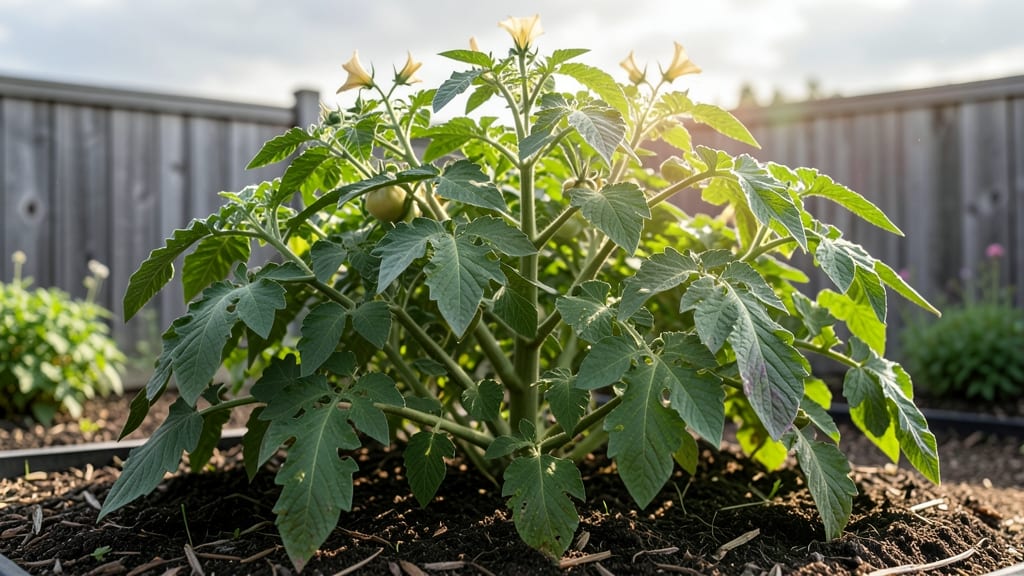
Growing the largest tomato ever starts with the right variety and a single-stem vine that thinks it owns the summer. 🌱 I’ve watched 'Big Beef' and 'Siberian' tomatoes go from seed to monster-sized fruit in my own backyard—and the secret isn’t just water or sun, but how you train the plant to focus all its energy on one massive reward.
The real magic happens in the first 6 weeks: pruning to one main stem, burying the trunk as it grows (yes, really), and feeding it with compost so rich it makes the soil hum.
You’ll need a sturdy cage or trellis to hold up 20+ pounds of vine, plus a watering routine that keeps the soil damp but never soggy—cracking is the enemy of giant tomatoes.
By mid-July, you’ll see the first signs: leaves the size of dinner plates and blossoms so big they look like they came from a greenhouse. The payoff? Tomatoes that make your neighbors do a double-take, with flesh so thick you can carve it like a melon.
Just be patient—these beasts take 90 days from transplant to harvest.
Here’s the catch: giant tomatoes demand consistency. Miss a watering or skip a pruning, and you’ll end up with a vine full of small fruit instead of one showstopper. But when it works? You’ll have the kind of harvest that turns gardening from a hobby into a local legend.
📚 In This Guide
- What you need
- Instructions
- Tips and common mistakes
- Wrapping up and next steps
What you need
- ● Tomato Variety: Choose a heirloom or hybrid giant variety like ‘Mammoth’, ‘Beefsteak’, or ‘Brandywine’. Start with 2-3 plants for best results.
- ● Potting Soil: 10-15 gallons of high-quality, well-draining potting mix (look for organic options with 50% compost or worm castings).
- ● Containers or Raised Beds: Fabric grow bags (5-7 gallons each) or wooden raised beds (minimum 12" deep).
- ● Drainage holes are a must—no soggy roots allowed!
- ● Fertilizer: Balanced organic fertilizer (5-5-5 or 3-4-6 NPK ratio) for planting.
- ● Slow-release granules or liquid feed (fish emulsion or compost tea) every 2-3 weeks.
- ● Calcium supplement (crushed eggshells or lime) to prevent blossom-end rot.
- ● Support System: Cage or trellis (minimum 6 feet tall with 18-gauge galvanized wire or sturdy stakes).
- ● Soft plant ties or Velcro strips to secure vines without damaging stems.
- ● Watering Supplies: Drip irrigation kit or soaker hose (to deliver 1-2 inches of water per week).
- ○ Rain gauge (optional but helpful for tracking moisture).
- ● Pruning Tools: Bypass pruners (sharp and sterilized).
- ● Garden shears for larger branches.
- ● Mulch: 2-3 inches of straw or wood chips to retain moisture and suppress weeds.
- ● Row Cover or Shade Cloth: 30-50% shade cloth for hot climates to protect flowers.
- ● Growth Regulator: Paclobutrazol (B-9) (follow label instructions) to strengthen stems.
- ● pH Test Kit: Ensure soil pH is between 6.0-6.8 for optimal nutrient uptake.
- ● Giant Tomato Stakes: 8-foot wooden stakes for extra support if winds are strong.
Step-by-step instructions for growing a giant tomato vine
Here's how to coax a monster tomato from seed to record-breaking harvest.
🌱 Step 1: Select and Start the Right Seed
Look for heirloom varieties like 'Cherokee Purple', 'Brandywine', or 'Beefsteak'—these are bred for massive size. I always start seeds indoors 8-10 weeks before your last frost date because giant vines need a long, warm season to reach their full potential. Use 2-3 inch deep pots filled with seed-starting mix and plant seeds ¼ inch deep.
Keep the soil consistently moist but never soggy—giant tomatoes hate wet feet. Place pots in a warm spot (75-80°F) and cover with plastic wrap until germination, which takes 7-14 days. Once sprouts appear, remove the wrap and move to a sunny windowsill or under grow lights for 14-16 hours daily. You'll know you're on the right track when seedlings develop 2-3 sets of true leaves—that's when they're ready for transplanting.
☀️ Step 2: Plant in a Spacious, Sun-Drenched Spot
Giant tomato vines need full sun (8+ hours daily) and plenty of space—aim for 6-8 feet in diameter per plant. I always choose a location with rich, well-draining soil and work in 4-6 inches of compost before planting. If your soil is heavy clay, amend it with sand or coconut coir to improve drainage.
Transplant seedlings outdoors after the last frost when nighttime temperatures stay above 55°F. Bury the stem deeper than you planted it indoors—this encourages stronger root growth. Space plants 4-6 feet apart in all directions to give vines room to sprawl. Water deeply right after planting to settle the soil and reduce transplant shock.
🪴 Step 3: Provide Support and Prune for Maximum Growth
Giant tomatoes need sturdy support—either a 6-foot tall cage or a heavy-duty trellis. I prefer trellises because they allow vines to grow upward and outward, maximizing sunlight exposure. As the plant grows, gently weave the main stem through the trellis and tie it securely with soft plant ties. Never use wire or anything that can cut into the stem.
Prune aggressively to focus energy on fruit production. Remove all suckers (the small shoots that grow in the leaf axils) as soon as they appear. You'll also want to prune lower leaves that touch the ground to prevent soil-borne diseases. Leave only the top 4-5 leaves on the main stem and prune side branches back to 2-3 leaves. This might seem drastic, but it directs all the plant's energy into growing fewer, larger fruits.
💧 Step 4: Water and Feed for Monster Tomatoes
Consistent moisture is critical—water deeply 1-2 times per week, aiming for 1-2 inches of water per week. Giant tomatoes need more water than regular varieties, so don't skimp. Water at the base of the plant in the morning to allow foliage to dry out during the day, reducing the risk of fungal diseases. Avoid wetting the leaves, especially in the evening.
Feed your giant tomato plant with a balanced fertilizer (10-10-10) at planting, then switch to a low-nitrogen, high-phosphorus fertilizer (5-10-10) when flowers appear. I also add a handful of compost or worm castings every 4-6 weeks to provide slow-release nutrients. Too much nitrogen will result in leafy growth at the expense of fruit size, so monitor your plant closely and adjust feeding as needed.
✂️ Step 5: Harvest and Protect Your Giant Tomatoes
Giant tomatoes take 80-100 days to reach maturity, so patience is key. You'll know they're ready when the fruit is fully colored and slightly soft to the touch. Use two hands to lift the tomato gently from the vine—twisting can damage the stem. Handle giant tomatoes with care; they bruise easily and can weigh 2-5 pounds each.
To extend the season, cover plants with frost cloth when nighttime temperatures dip below 50°F. Giant tomatoes are prone to cracking, so mulch heavily around the base of the plant to keep soil moisture even. If you notice cracks, don't worry—just use the fruit right away, as cracked tomatoes are more prone to rot. With the right care, you'll be harvesting 10-pound monsters before you know it!
Tips & tricks for growing giant tomato vines
Between us, growing a 10-pound tomato isn't just about luck—it's about the little details that make all the difference. Here's what I've learned after years of growing these giants.
Seed Starting Strategy: The 8-10 week indoor start time is non-negotiable for giant tomatoes. I use a heat mat set to 75-80°F under my seed trays to speed up germination—those first 7-14 days can feel like forever! Once sprouts appear, I switch to a south-facing window with a grow light on a timer for those 14-16 hours of daily light. Pro tip: Rotate trays daily so seedlings grow straight instead of leaning toward the light.
Transplanting Hack: Don't be afraid to bury those stems deep when transplanting—up to the first set of true leaves. I've seen plants develop extra roots from buried stems, creating stronger plants that can support heavier fruit. Just make sure your soil is warm (above 55°F) before planting, or roots won't establish properly.
Pruning Precision: When you're pruning those suckers in Step 3, be ruthless but strategic. Giant tomatoes need that aggressive pruning to focus energy on fewer fruits. I use clean, sharp pruners and always cut at a 45-degree angle just above a leaf node. Leave those top 4-5 leaves on the main stem—this is where the plant will produce its largest fruit. And never prune when the plant is wet to prevent disease.
Watering Wisdom: The 1-2 inches per week guideline is perfect, but timing matters just as much. I water deeply in the morning using a soaker hose to keep water at the roots. The key is consistency—giant tomatoes hate moisture fluctuations that cause cracking. If you notice early signs of cracking (tiny star-shaped marks), reduce watering slightly and harvest any affected fruit immediately.
Pro Tips for Largest Tomato Ever
- Between us, growing a 10-pound tomato isn't just about luck—it's about the little details that make all the difference.
- Seed Starting Strategy: The 8-10 week indoor start time is non-negotiable for giant tomatoes.
- Transplanting Hack: Don't be afraid to bury those stems deep when transplanting—up to the first set of true leaves.
Frequently asked questions
Got questions about growing the largest tomato ever? You’re not alone! Here are answers to the most common queries from gardeners eager to break records—or just grow monster tomatoes.
How long does it take to grow a 10-pound tomato?
A giant tomato like the world-record holder (over 10 pounds!) typically takes 85–120 days from transplanting to harvest, depending on your climate. Early varieties (like 'Big Beef' or 'Brandywine') may mature faster in warm regions, while cooler zones might need greenhouse support. Patience is key—these giants need time to bulk up!
Is it worth the effort to grow a giant tomato?
Absolutely—if you love a challenge! Beyond bragging rights, giant tomatoes are flavor bombs with fewer seeds and more juice. They’re perfect for sauces, sandwiches, or sharing at farmers' markets. Just weigh the time investment: giant varieties need constant care, but the payoff is delicious (and impressive!).
What’s the best climate for growing giant tomatoes?
Giant tomatoes thrive in warm, sunny climates (70–90°F) with long growing seasons. Regions like California, Florida, or Mediterranean zones are ideal. In cooler areas, use black plastic mulch, row covers, or greenhouses to extend the season. Avoid frost—these vines are sensitive!
Why did my tomato plant’s fruit crack or split?
Cracking is a common issue with giant tomatoes—usually due to uneven watering. Overwatering after a dry spell causes rapid growth, splitting the skin. Solutions:
- Water deeply but consistently (1–2 inches per week).
- Mulch heavily to retain moisture.
- Prune lower leaves to improve airflow.
- Harvest giants before full ripeness if cracks appear.
Can I grow giant tomatoes in containers?
Yes, but choose large containers (15+ gallons) with excellent drainage. Dwarf or indeterminate varieties like 'Cherokee Purple' work well. Ensure the pot gets full sun (6+ hours/day) and use a tomato-specific fertilizer every 2–3 weeks. Containers dry out faster, so monitor soil moisture closely!
Wrapping up and next steps
The largest tomato ever grown proves that with the right techniques—like space, support, and patience—your garden can yield jaw-dropping results! 🌱 Whether you’re aiming for a record-breaking harvest or just bigger, tastier tomatoes, these secrets are your ticket to success.
Ready to take the next step? Start small this season—plant those seeds, experiment with training, and watch your vine transform into a tomato powerhouse!
Pro tip: 💡 Share your progress with fellow gardeners or tag us in your giant tomato pics—inspiration spreads like weeds (the good kind!).