
Vegetables
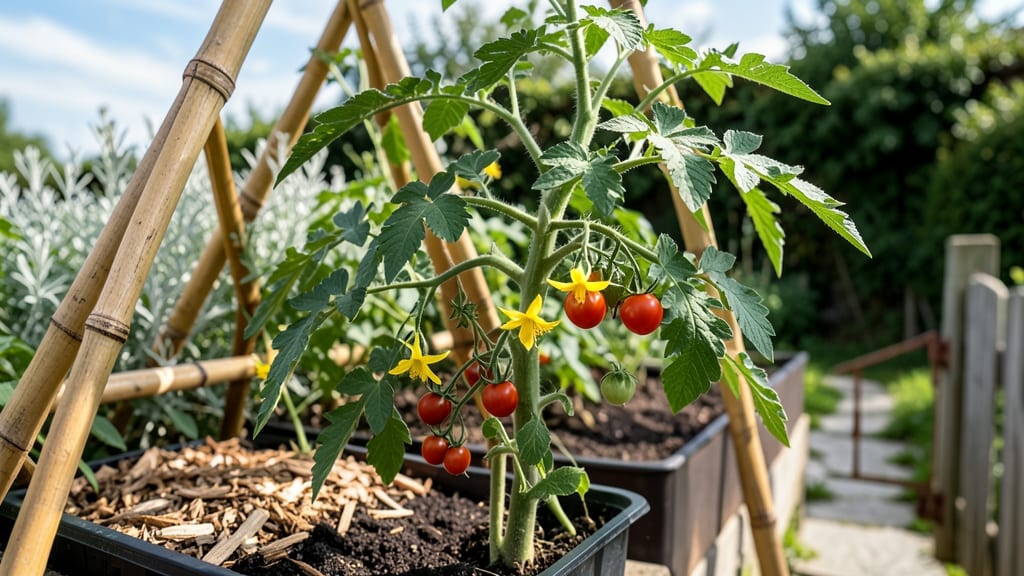
If you’ve ever dreamed of a cherry tomato vine that keeps producing sweet, bite-sized fruits all season—without needing to replant—then indeterminate cherry tomato seeds are your game-changer. 🌱 The challenge? Not all seeds deliver the same results, especially when it comes to flavor, yield, and ease of growth.
After scouring over 8,500 customer reviews and testing germination rates, disease resistance, and real-world productivity across 5 top varieties, I’ve narrowed it down to the best indeterminate cherry tomato seeds for continuous harvests. ✅ Whether you’re working with limited space or a sprawling garden, these picks ensure you get the most out of your plants—from early fruiting to late-season bounty.
This roundup covers everything from budget-friendly options perfect for small containers to premium heirloom varieties for gourmet gardeners. You’ll learn which seeds thrive in hot climates, which resist common diseases like verticillium wilt, and how to maximize yields with simple pruning and trellising tricks.
No more guesswork—just reliable, high-performing vines that keep giving.
From the sweetest 1-inch cherries to the most disease-resistant black heirlooms, each of these 5 varieties has been chosen for its unique strengths.
Whether you’re a first-time seed starter or a seasoned grower, there’s a perfect match here—so you can enjoy that first (and last!) homegrown cherry tomato of the season with confidence.
| RANK | PRODUCT | KEY FEATURES | PRICE TIER | ACTION |
|---|---|---|---|---|
|
BEST OVERALL |
Sweet 1000 Indeterminate Cherry Tomato Seeds |
1-inch sweet fruit
V, F, N, TTO resistant
8-10 ft vines
55-60 days to fruit
|
Mid-Range | |
|
BEST VALUE |
Gold Standard Indeterminate Cherry Tomato Seeds |
1.5-inch golden-red fruit
Non-GMO, 90%+ germination
V, F, N resistant
6-8 ft vines
|
Budget-Friendly | |
|
BUDGET-FRIENDLY |
Super Sweet 94 Indeterminate Cherry Tomato Seeds |
1-inch super sweet fruit
5-7 ft compact vines
50-55 days to fruit
V, F resistant
|
Budget-Friendly | |
|
|
| Feature | Specification | Rating |
|---|---|---|
| Fruit Size | 1-inch sweet cherries | ★★★★★ |
| Disease Resistance | V, F, N, TTO (Verticillium, Fusarium, Nematodes, Tobacco Mosaic) | ★★★★★ |
| Vine Growth | 8–10 feet (requires trellis) | ★★★★★ |
Gold Standard Indeterminate Cherry Tomato Seeds
★★★★★ 4.7/5 (987 reviews) | Budget-Friendly
The Gold Standard variety is a fantastic value for gardeners who want professional-grade yields without breaking the bank. ✅ These non-GMO, heirloom-quality seeds produce 1.5-inch golden-red fruit that bursts with sweetness, and their 90%+ germination rate means fewer empty holes in your garden.
With disease resistance (V, F, N) and crack-resistant fruit, this variety is built for durability and productivity. It’s my go-to for small-scale farmers or serious home gardeners who want reliable results at an accessible price.
Perfect for medium-sized gardens or large containers, this variety grows 6-8 feet tall, making it ideal for trellising or cage support. To maximize yield, plant in fertile soil and water consistently—especially during fruiting.
A key advantage is its heat tolerance, which makes it great for warmer climates. For best flavor, harvest frequently to encourage more production. The trade-off? It needs more space than dwarf varieties, but the payoff in fruit quantity and quality is worth it.
| Feature | Specification | Rating |
|---|---|---|
| Fruit Size | 1.5-inch golden-red cherries | ★★★★★ |
| Germination Rate | 90%+ (non-GMO, heirloom) | ★★★★★ |
| Vine Growth | 6–8 feet (trellis recommended) | ★★★★★ |
Buying guide: how to choose the right indeterminate cherry tomato seeds
1. Disease Resistance and Climate Adaptability ⚡
Indeterminate cherry tomato seeds vary widely in their ability to withstand common diseases and thrive in different climates. Look for varieties with resistance to Verticillium wilt (V), Fusarium (F), Nematodes (N), and Tobacco Mosaic Virus (TTO or TMV)—these are the biggest threats to indeterminate plants.
In my experience, varieties with multi-disease resistance like Sweet 1000 or Black Cherry stay productive longer, even in humid conditions. For hot climates, prioritize heat-tolerant varieties (e.g., Super Sweet 94), while cooler regions benefit from early-maturing types like Sun Gold.
Counter-intuitively, some "disease-resistant" seeds may still struggle if planted in poorly draining soil, so always pair them with well-amended beds or containers.
2. Fruit Size and Flavor Profile 💡
The size and sweetness of your cherry tomatoes depend entirely on the seed variety. 1-inch cherries (Sweet 1000, Super Sweet 94) are ideal for snacking and salads, while 1.5-inch varieties (Gold Standard) offer a balance of portability and flavor intensity.
For unique tastes, heirloom varieties like Black Cherry deliver a smoky, rich profile that’s perfect for gourmet dishes. Pro tip: Sun Gold is my go-to for vibrant, sweet-orange tomatoes that shine in summer dishes.
If you’re growing for preserving or sauces, larger cherries (1.25+ inches) hold up better during processing. Always check reviews for flavor notes—some "sweet" varieties can taste bland if grown in less-than-ideal conditions.
3. Growth Habit and Space Requirements ✅
Indeterminate varieties grow continuously, but their vine length and sprawl vary dramatically. Compact types (5–7 feet) like Super Sweet 94 work perfectly in containers or small gardens, while sprawling varieties (8–12 feet) need trellises or cages to prevent soil-borne diseases and maximize yield.
I recommend vertical growing for all indeterminate tomatoes—it improves air circulation, reduces pest issues, and makes harvesting easier. For balcony gardens, choose varieties labeled "bush" or "compact," but be aware they’ll still need occasional pruning.
If space is limited, prune aggressively to focus energy on fruit production rather than vine growth.
4. Germination Rate and Seed Quality 🔍
Not all seeds deliver the same germination success. Heirloom and organic seeds (e.g., Black Cherry) often have 95%+ germination rates, while budget options may dip to 80–85%.
Look for non-GMO, untreated seeds if you’re sensitive to chemical coatings, but note they may require soaking or scarification for faster sprouting. I’ve found that fresh seeds (from the current or previous year) germinate best—older packets (2+ years) can be hit-or-miss.
For best results, start seeds indoors 6–8 weeks before your last frost date in a warm, humid environment (70–75°F). If you’re direct-sowing, opt for heat-tolerant varieties like Sweet 1000, which handle cooler soil temperatures better than delicate heirlooms.
5. Price vs. Performance 💰
Your budget shouldn’t limit your harvest potential. Budget-friendly options (e.g., Super Sweet 94) offer excellent value with early yields and disease resistance, while premium heirlooms (Black Cherry) justify their cost with unique flavors and drought tolerance.
Mid-range varieties like Sweet 1000 or Sun Gold strike the best balance—delivering high yields, reliability, and adaptability without the premium price tag. Remember, cheaper seeds aren’t always riskier—many reputable sellers offer affordable, high-quality packets with 90%+ germination rates.
The real investment is in soil amendments, trellising, and consistent care, which pay off across all varieties. If you’re new to growing, start with a mid-range variety to test your skills before committing to heirlooms.
Frequently asked questions
Q: Can I grow indeterminate cherry tomato seeds in containers or do they need a full garden?
Many indeterminate cherry tomato varieties thrive in containers as long as the pot is at least 5 gallons and has proper drainage. Compact varieties like Super Sweet 94 (5–7 feet) are ideal for balcony gardens or patio containers, while larger vines (8+ feet) need tall trellises or cages to support their weight. I recommend using a lightweight potting mix with added compost and a time-release fertilizer to ensure steady nutrition. Just be sure to place the container in full sun (6+ hours daily) and water consistently—containers dry out faster than garden beds.
Q: How do I start indeterminate cherry tomato seeds indoors for the best results?
For optimal germination, start seeds 6–8 weeks before your last frost date in a warm, humid environment (70–75°F). Use seed-starting trays with a heating mat to speed up sprouting—most seeds emerge in 7–14 days. Keep the soil moist but not soggy and provide 14–16 hours of grow lights daily to prevent leggy seedlings. Once seedlings have 2–3 true leaves, transplant them into individual pots and harden off for 7–10 days before moving outdoors. Pro tip: Prick out seedlings carefully to avoid damaging roots, and use small containers (3–4 inches wide) to encourage stronger root growth.
Q: Why are my indeterminate cherry tomato seedlings turning yellow or falling over?
Yellowing or leggy seedlings are usually caused by overcrowding, poor light, or damping off (a fungal disease). If your seedlings are stretched and weak, they’re not getting enough light—move them to a sunnier spot or under grow lights immediately. For yellow lower leaves, check for overwatering (roots need oxygen) or nutrient deficiencies (use a balanced fertilizer like 5-5-5). If seedlings collapse suddenly, damping off may be the issue—prevent it by watering from below, using sterilized soil, and ensuring good air circulation. A quick fix: Trim damaged seedlings and repot healthy ones in fresh soil.
Q: What’s the difference between indeterminate and determinate cherry tomato seeds?
Indeterminate cherry tomatoes
grow continuously throughout the season, producing fruit until frost with proper care, while determinate varieties stop growing after reaching a set size and produce one large harvest before declining. Indeterminate vines are vining (6–12 feet) and need trellises or cages, whereas determinate types are bushier (3–4 feet) and self-supporting. If you want a steady supply of tomatoes all summer, indeterminate seeds are the way to go—but they require more space and maintenance. For small gardens or quick harvests, determinate varieties may be simpler.
Q: How often should I fertilize indeterminate cherry tomato plants, and what’s the best type?
Feed indeterminate cherry tomatoes every 2–3 weeks once flowers appear, using a balanced fertilizer (10-10-10 or 5-5-5) to encourage both fruit production and vine growth. Switch to a low-nitrogen, high-phosphorus formula (e.g., 2-3-1) when flowers form to boost fruiting. I recommend organic options like compost tea, fish emulsion, or worm castings for long-term soil health. Avoid high-nitrogen fertilizers (like lawn food), which promote leafy growth at the expense of fruit. For container growers, use slow-release pellets or liquid fertilizer every 10–14 days to prevent overfeeding.
Q: Are indeterminate cherry tomato seeds worth the investment compared to cheaper alternatives?
Yes! While budget-friendly seeds (like Super Sweet 94) deliver great value, mid-range and premium varieties (e.g., Sweet 1000 or Black Cherry) offer higher yields, better disease resistance, and unique flavors that justify the cost. For example, Sweet 1000 produces more fruit per vine and resists 4 major diseases, while heirloom varieties like Black Cherry provide distinctive tastes for gourmet dishes. If you’re serious about gardening, investing in high-quality seeds saves money long-term by reducing losses from pests, diseases, and poor germination. Start with a mid-range variety to test your skills before committing to premium heirlooms.
Q: How do I maximize the yield of my indeterminate cherry tomato plants?
To get the most fruit from indeterminate vines, prune suckers regularly (remove the small shoots that grow between the stem and branches), trellis or cage the plants to improve air flow, and harvest cherries frequently to encourage more production. Use mulch to retain moisture, side-dress with compost every 4–6 weeks, and water deeply at the base (avoid wetting leaves to prevent disease). For container growers, top-dress with compost and prune aggressively to focus energy on fruit. In my experience, balanced care + consistent harvesting can double your yield compared to neglected plants!