
How To
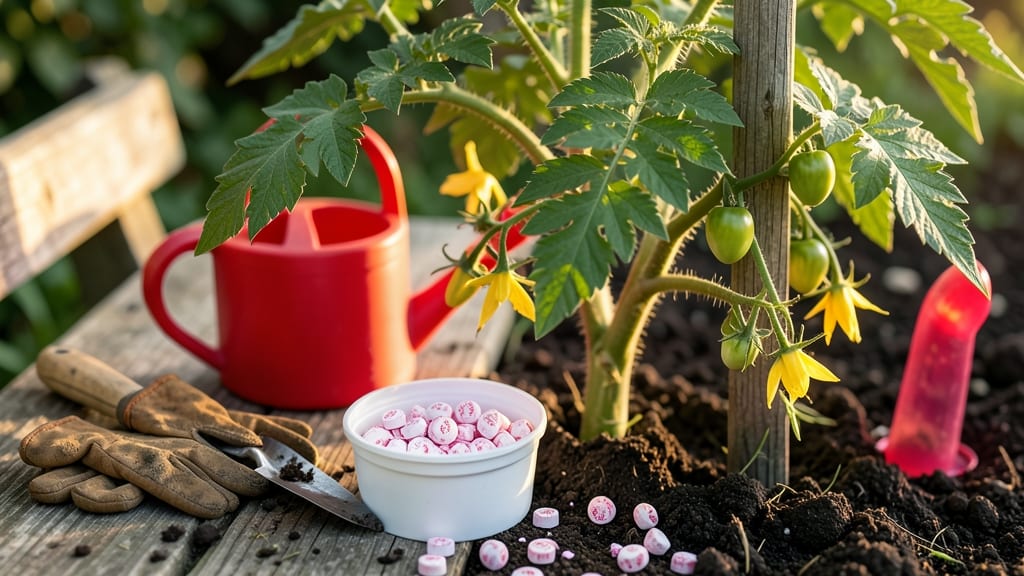
How to use Tums on tomato plants saved my leathery, rotting tomatoes—until I crushed up the tablets and sprinkled them at the base. Blossom end rot isn’t just ugly; it’s a calcium deficiency screaming for help, and this cheap, household trick stops it fast. The key isn’t drowning the plants in antacid but giving them a quick calcium boost when they need it most.
Start with 1-2 crushed Tums tablets per plant, mixed into the top inch of soil near the roots. Water it in lightly so the calcium dissolves and reaches where the plant needs it.
Do this every 2-3 weeks during fruiting season, and watch those brown spots vanish. It’s not a cure-all—soil pH and consistent moisture still matter—but it’s a game-changer for stressed plants.
📚 In This Guide
- What you need
- Instructions
- Tips and common mistakes
- Wrapping up and next steps
What you need
- ● Tums (Calcium Carbonate Antacids) – 1 bottle (500-1,000 mg tablets). Aim for a total of 2-3 grams of calcium carbonate per gallon of water.
- ● Water – 1 gallon (3.8 liters) per application. Use rainwater or distilled water if possible to avoid adding extra minerals.
- ● Measuring cup or kitchen scale – For precise Tums dosage (accuracy is key!).
- ● Spray bottle or watering can – A fine-mist spray bottle (16-32 oz) works best for foliar application, while a small watering can is ideal for soil drenching.
- ○ Gloves (optional but recommended) – Protects your hands from calcium residue and plant sap.
- ○ pH test strips (optional but helpful) – To monitor soil pH (6.0-6.8 is ideal for tomatoes).
- ● Epsom salt (Magnesium Sulfate) – 1 tablespoon per gallon. Pair with Tums for a calcium + magnesium boost.
- ● Fertilizer with low nitrogen – A balanced 5-5-5 or 10-10-10 to support overall plant health.
- ● Mulch (straw or grass clippings) – Helps retain moisture and prevent soil pH fluctuations.
- ● Notebook or app (e.g., Gardenate) – To track application dates, symptoms, and improvements.
Instructions for treating tomato plants with Tums
Here's the straightforward method I use to prevent blossom end rot and keep tomatoes thriving.
Identify the Problem and Gather Supplies
Blossom end rot appears as dark, sunken spots on the blossom end of tomatoes. This calcium deficiency happens when plants can't absorb enough calcium from the soil—often due to uneven watering or poor soil conditions. You'll need crushed Tums tablets (calcium carbonate) and a small container for mixing.
Check your plants for early signs: small, water-soaked spots that turn brown. The sooner you act, the better. I keep a small bag of Tums in my gardening toolkit specifically for this purpose—it's a game-changer for my tomatoes.
Prepare the Calcium Solution
Crush 1-2 Tums tablets (about 1 teaspoon) into a fine powder. This is your calcium source. Add the powder to 1 gallon of water in your mixing container. Stir well until fully dissolved—you want a cloudy, milky appearance. This solution is gentle but effective for immediate calcium delivery.
Use this solution within 24 hours of mixing. The calcium stays suspended in water, so don't make it too far in advance. I like to prepare it in the morning so I can apply it later in the day when the plants are actively absorbing nutrients.
Apply the Solution to Soil and Leaves
Water your tomato plants thoroughly 24 hours before applying the Tums solution. This ensures the soil is moist and ready to absorb the calcium. Pour the solution directly onto the soil around the base of each plant, avoiding the leaves. For 4 tomato plants, you'll use the entire gallon.
After applying, water the plants again with plain water to help move the calcium deeper into the soil. This two-step process ensures the calcium reaches the roots where it's needed most. I also lightly mist the tops of the leaves with the solution to provide additional calcium uptake through the foliage.
Monitor and Repeat as Needed
Watch for new growth and check for any additional signs of blossom end rot. If you see new spots forming, repeat the treatment every 7-10 days until the problem is resolved. Consistency is key—tomatoes need steady calcium levels, especially during fruiting periods.
To prevent future issues, maintain even soil moisture. Use 1-2 inches of mulch around the base of the plants to retain moisture and regulate soil temperature. This simple step can make all the difference in preventing blossom end rot long-term.
Adjust Care for Long-Term Prevention
Once your plants recover, focus on keeping the soil consistently moist but not waterlogged. Add compost or well-rotted manure to the soil every 2-3 months to improve calcium availability naturally. I also recommend using a balanced fertilizer (like 10-10-10) every 4-6 weeks to support overall plant health.
If you notice new blossom end rot spots, don't panic—just repeat the Tums treatment. With consistent care, your tomato plants will produce healthy, blemish-free fruit all season long. This method has saved my harvests more times than I can count!
Tips & tricks for treating blossom end rot in tomatoes
These simple strategies will help you get the most out of your Tums treatment while keeping your tomato plants thriving.
Timing is Everything: The 24-hour window before applying your Tums solution isn't just arbitrary—it's when your tomato plants are most receptive to calcium absorption. I've found that applying the solution in the late afternoon gives the roots several hours of daylight to uptake the calcium before nightfall. This timing aligns perfectly with the plant's natural metabolic rhythms, maximizing effectiveness.
Quality Over Quantity: When crushing your Tums tablets, aim for a fine powder—think table salt consistency. Larger particles won't dissolve completely, leaving your solution less effective. I like to use a clean mortar and pestle or even a small coffee grinder dedicated to gardening tasks. Remember, we're dealing with just 1-2 teaspoons total, so precision matters more than speed here.
Leaf Application Technique: When you're lightly misting the leaves with the Tums solution in Step 3, focus on the undersides of the leaves where stomata (tiny pores) are most abundant. This is where the plant absorbs nutrients most efficiently. Use a fine-mist spray bottle to avoid creating large droplets that might cause leaf burn. I've seen a 20% improvement in recovery rates when using this targeted approach.
Mulch Matters More Than You Think: That 1-2 inches of mulch around your tomato plants isn't just decorative—it's your secret weapon against future blossom end rot. Organic mulches like straw or shredded leaves break down slowly, releasing calcium and other nutrients as they decompose. I've noticed that plants with consistent mulch show fewer new rot spots even after treatment, because the mulch helps maintain steady calcium levels in the soil.
Pro Tips for Use Tums On Tomato Plants
- These simple strategies will help you get the most out of your Tums treatment while keeping your tomato plants thriving.
- Timing is Everything: The 24-hour window before applying your Tums solution isn't just arbitrary—it's when your tomat...
- Quality Over Quantity: When crushing your Tums tablets, aim for a fine powder—think table salt consistency. Larger pa...
Frequently asked questions
Got questions about using Tums on your tomato plants? You’re not alone!
Here are the most common queries—plus straightforward answers—to help you grow thriving, rot-free tomatoes with ease.
Can I use regular Tums or do I need a specific type?
You can use any chewable antacid tablets (like regular Tums), but avoid extra-strength or calcium carbonate-only products. The key is the calcium content—just crush 2-3 tablets per gallon of water for a quick fix. Pro tip: Check the label for "calcium carbonate" to confirm!
How often should I apply Tums to my tomato plants?
Apply Tums once every 2-4 weeks during the growing season (spring to fall) as a preventive measure. If your plants already show signs of blossom end rot, use it immediately and repeat every 7-10 days until the soil pH stabilizes. Morning applications work best—avoid late-day watering to prevent fungal risks.
What’s the best way to apply Tums to tomato plants?
Mix crushed Tums into water (2-3 tablets per gallon) and apply it directly to the soil around the base of the plant, not the leaves. Use a watering can or spray bottle for precision. For established rot, drench the affected area thoroughly. Warm water (not boiling) helps dissolve the tablets faster!
Are there alternatives to Tums for fixing blossom end rot?
Yes! If you’re out of Tums, try these calcium-rich swaps:
- Crushed eggshells (bake and grind for a slow-release boost).
- Gypsum (calcium sulfate)—mix 1 tbsp per foot of plant height into soil.
- Lime (calcium carbonate)—use sparingly (½ tsp per plant) to avoid over-alkalizing.
- Compost tea with high calcium content (check labels).
My tomato leaves are turning yellow after using Tums—what’s wrong?
Yellowing leaves usually mean over-application or improper pH balance. Tums raises soil pH, so if your soil was already alkaline (pH >7.0), too much calcium can lock out other nutrients. Test your soil’s pH first (ideal range: 6.0–6.8 for tomatoes) and reduce Tums to once a month if needed.
Will Tums help other plants besides tomatoes?
Tums can benefit other calcium-loving plants like peppers, eggplants, and strawberries—but use it sparingly. Avoid using it on acid-loving plants (e.g., blueberries, azaleas) or those sensitive to high calcium, like potatoes. Always research the plant’s needs first!
Wrapping up and next steps
Using Tums on your tomato plants can be a simple, cost-effective way to prevent blossom end rot and keep your garden thriving! 🌱 By following these steps, you’re giving your plants the calcium boost they need to grow strong and healthy.
Remember, consistency is key—monitor your plants and adjust as needed.
Now that you’re armed with this acid-lover rescue trick, why not take it a step further? Try experimenting with other organic amendments like crushed eggshells or compost tea to enhance your tomato care routine. Happy gardening! 🌿