
Vegetables
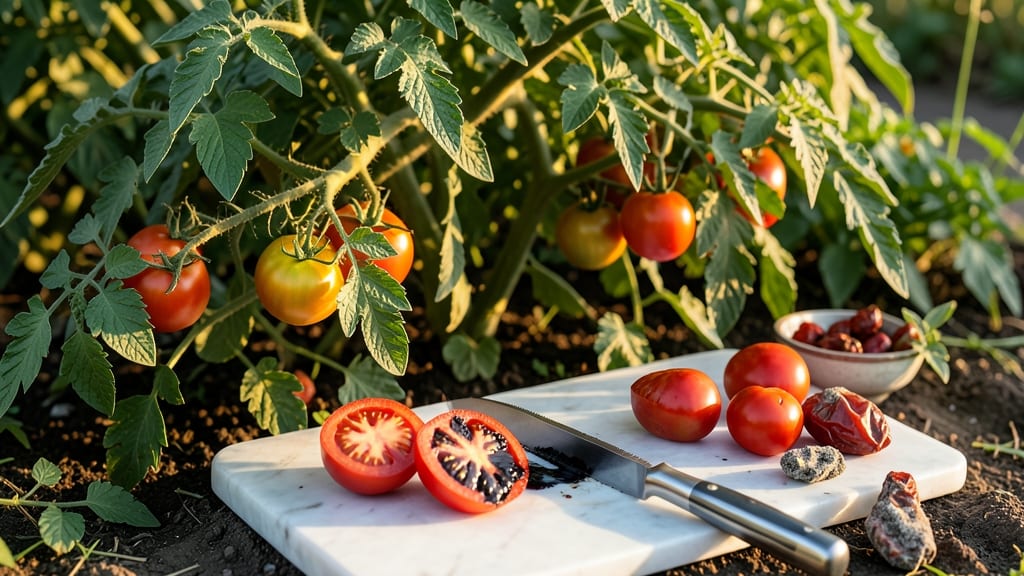
How to tell if a tomato is bad inside—that perfect-looking skin can hide rot, pests, or slimy surprises. 🍅 I’ve sliced into too many “good-looking” tomatoes only to find fermented centers—here’s how to spot them before you waste your effort (or worse, your meal).
Start with a gentle squeeze: a firm tomato should yield slightly, like a ripe avocado. If it feels mushy or hollow, that’s a red flag. Then check the stem end—dampness, mold, or a foul smell means toss it.
Even if the skin looks fine, internal rot often starts near the core.
For extra peace of mind, cut a small slice from the blossom end (where rot hides best). If the flesh is discolored, waterlogged, or smells sour, discard it immediately. Pests like fruit flies or worms can also ruin a tomato from the inside out, so inspect carefully.
Store tomatoes properly to avoid this: keep them stem-side down at room temperature (not in the fridge) until fully ripe. Once ripe, refrigerate cut tomatoes within 2 days to slow spoilage. Now you’ll never waste another tomato again!
Hidden Causes Of Spoilage
Tomatoes may look perfect on the outside, but hidden decay can turn them into a culinary disaster. Understanding why tomatoes go bad inside helps you spot early warning signs and avoid waste. Here’s what’s really going on beneath the skin:
Most internal spoilage starts with microorganisms—bacteria and fungi—that thrive in the moist, nutrient-rich environment of a tomato. These tiny invaders break down cells, causing soft rot, mold, or foul odors. Here’s how it happens:
- Bacterial Soft Rot: Pathogens like Erwinia and Pectobacterium secrete enzymes that dissolve the tomato’s cell walls, turning firm flesh into a mushy, watery mess. This often starts near the stem or bruised areas where bacteria can enter easily.
- Fungal Growth: Fungi such as Botrytis cinerea (gray mold) or Alternaria spread through spores in the air or contaminated surfaces. They feed on sugars and organic acids, creating dark, fuzzy spots or slimy textures.
- Yeast Infections: Less common but possible, yeast can ferment tomato sugars, producing off-putting smells (like alcohol or vinegar) and a slimy surface.
💡 Pro Tip: Tomatoes with any cracks, punctures, or stem-end bruises are high-risk zones for microbial entry. Store them carefully to minimize exposure!
Tomatoes are temperature-sensitive, and extreme heat or cold accelerates internal decay. Here’s how improper storage plays a role:
- Too Hot: Storing tomatoes above 75°F (24°C) speeds up enzyme activity, breaking down cell structures faster. This leads to overripe flesh that turns mealy or develops off-flavors.
- Too Cold: Below 50°F (10°C), tomatoes suffer from chilling injury. Cell membranes rupture, causing pitting, water-soaked spots, or a grainy texture—even if the skin looks fine.
- Fluctuations: Rapid temperature swings (like moving from fridge to counter) create condensation, promoting mold growth in hidden pockets.
⚠️ Warning: Never refrigerate unripe tomatoes! The cold halts ripening but also triggers internal damage. Store them at room temp (60–70°F / 15–21°C) until fully ripe.
Tomatoes absorb and lose moisture quickly, and excess humidity or dryness both trigger spoilage:
- High Humidity: Trapped moisture (e.g., in plastic bags or damp crispers) encourages gray mold or bacterial blooms. Condensation on the skin can seep into the flesh, creating soggy, discolored areas.
- Low Humidity: Dry air causes tomatoes to transpire (lose water), shrinking cells and concentrating sugars. This leads to wrinkled skin and mealy texture—a sign of dehydration-induced decay.
- Waterlogging: If tomatoes sit in standing water (e.g., after washing), they absorb excess moisture, diluting flavors and inviting rot-causing microbes.
🌡️ Ideal Storage: Use a paper towel-lined container or a breathable mesh bag to balance airflow and humidity.
Tomatoes release ethylene gas, a natural plant hormone that triggers ripening. But too much ethylene—from overripe produce nearby—can over-ripen tomatoes prematurely, causing:
- Enzyme Overload: Ethylene activates pectinase enzymes, which break down the tomato’s structural integrity, leading to mushy flesh and seedy breakdown.
- Flavor Degradation: Overripe tomatoes lose acidity and develop fermented or sour notes as sugars convert into alcohols.
- Mold Growth: Ethylene-stressed tomatoes are more susceptible to fungal infections.
🚫 Separate Them! Store tomatoes away from bananas, apples, or avocados, which produce high levels of ethylene.
Now that you know the root causes of internal spoilage, you’re better equipped to prevent it—and recognize the early signs before slicing. Next, we’ll dive into how to test a tomato’s hidden condition safely.
Quick fixes for saving or discarding tomatoes
Got a tomato that looks fine on the outside but might be hiding spoilage inside? Don’t toss it just yet—some tomatoes can still be salvaged with a little know-how!
Below are practical, step-by-step solutions tailored to the most common causes of internal rot, plus prevention tips to keep your tomatoes fresh longer.
If your tomato feels unusually soft or squishy when gently squeezed, it might be overripe or waterlogged—a sign of internal spoilage. Here’s how to handle it:
🍳 Test for Edibility First
- Squeeze Test: Press firmly—if it gives like a sponge, it’s likely past its prime.
- Smell Check: Cut a small slice near the stem. A fermented, sour, or off odor means it’s bad.
A mild tang is normal for ripe tomatoes. 3. Visual Inspection: Look for dark spots, slimy flesh, or a watery center. If the inside is mushy but not moldy, it may still be usable in cooked dishes.
👨🍳 How to Use It (If Safe)
- Sauces & Salsas: Blend into marinara or salsa—heat kills some bacteria and masks off flavors.
- Roasted Tomatoes: Toss halves in olive oil, salt, and roast at 400°F (200°C) for 20-25 minutes.
Heat intensifies flavor and may neutralize mild spoilage. - Freeze for Later: If it’s only slightly soft, chop and freeze for soups or stews (thaw before use).
❌ When to Toss It
- Mold: Even a tiny black or green fuzzy spot means discard immediately—mold spores spread fast.
- Liquified Center: If the flesh is completely watery or separated, it’s unsafe to eat raw or cooked.
- Sour or Rotten Smell: Trust your nose—if it smells putrid or like vinegar, compost it.
💡 Prevention Tips
- Store Properly: Keep tomatoes stem-side down at room temperature (not in the fridge) until fully ripe.
Cold speeds up softening. - Avoid Overcrowding: Store them in a single layer with airflow to prevent ethylene gas buildup (which accelerates rot). - Buy Firm, Not Too Soft: Choose tomatoes that yield slightly to pressure but don’t feel mushy.
Cracks or bruises can trap moisture, creating the perfect environment for bacterial soft rot or fungal infections. Act fast to limit damage:
🔪 Trim the Damaged Area
- Inspect the Cracks: Run your finger along the crack—if it’s deep or oozing liquid, the tomato is compromised.
- Cut Out Bad Spots: Use a sterilized knife to remove cracked or discolored sections.
Discard any tomato where rot extends beyond ½ inch into the flesh. 3. Rinse & Dry: Wash the trimmed tomato with cool water and pat dry to prevent further bacterial growth.
🥘 Safe Cooking Methods - Grilled or Charred: High heat can kill some bacteria.
Grill halves cut-side down for 5-7 minutes. - Blanched & Peeled: Drop into boiling water for 30 seconds, then ice bath to peel easily (removes surface contaminants). - Pickled: Submerge in vinegar brine (1:4 vinegar-to-water ratio) for at least 10 minutes to preserve.
⏰ How Long Can You Keep It?
- Raw Use: Only if no mold or slime is present. Consume within 1-2 days of trimming.
- Cooked Use: Lasts 3-5 days in the fridge if stored in an airtight container.
🌡️ Prevention Tips
- Handle Gently: Avoid dropping tomatoes or stacking heavy items on them.
- Use a Tomato Cage: Support larger varieties to prevent cracking from weight.
- Check for Pests: Inspect for fruit flies or mold near stems—these speed up decay.
The best way to avoid "bad inside" tomatoes? Stop rot before it starts with these pro tips:
| Issue | Solution | Prevention Hack |
|---|---|---|
| Ethylene Overproduction | Move tomatoes to a paper bag (with a few apples) to ripen faster, then transfer to a cool, dry spot. | Buy firm but slightly green tomatoes—they ripen better at home. |
| Moisture Buildup | Store in a well-ventilated basket (not plastic). | Wipe tomatoes dry before storing. |
| Temperature Fluctuations | Keep in a consistent 55–75°F (13–24°C) spot. Avoid fridge until fully ripe. | Use a fruit bowl away from direct sunlight. |
| Pests & Mold | Discard tomatoes with stem-end mold immediately. | Spray leaves with neem oil (if growing your own). |
Final Pro Tip: 🎯 When in doubt, slice it out! A little extra effort now saves you from food waste (and stomachaches). If you’re still unsure, err on the side of caution—some spoilage isn’t visible until you taste it!
Frequently asked questions
Can you still eat a tomato if it's soft but has no mold or bad smell?
Yes, but only if you cook it! Soft tomatoes without mold or strong odors may still be safe for dishes like sauces, soups, or roasted recipes. Heat helps neutralize bacteria, but avoid eating raw if the flesh feels mushy or waterlogged. For extra safety, trim any questionable spots before cooking.
What does internal rot in tomatoes look like?
Internal rot often appears as dark, discolored spots near the stem or blossom end, slimy textures, or a watery center. Cut a small slice from the blossom end—the most common hiding spot for rot. If you see gray, green, or black patches, or if the flesh feels mushy, it's spoiled.
Why do some tomatoes smell fine but taste bad?
Even if a tomato smells normal, internal spoilage can cause off-flavors like sourness, bitterness, or fermentation. This happens when bacteria or fungi break down sugars and acids inside. If the taste is unpleasant, it’s best to discard it—smell alone isn’t always reliable for detecting hidden spoilage.
How long can you safely store tomatoes after cutting them?
Store cut tomatoes in an airtight container in the fridge for only 2-3 days. Exposure to air speeds up spoilage, so cover slices with plastic wrap or submerge them in water (change daily). For longer storage, freeze them in portions for soups or sauces.
Are heirloom tomatoes more prone to internal spoilage?
Yes, heirloom varieties are often more susceptible due to thinner skins and higher moisture content. They bruise and crack easier, creating entry points for bacteria. Handle them gently, store them at room temperature, and check for soft spots or cracks more frequently than commercial tomatoes.