
Planting
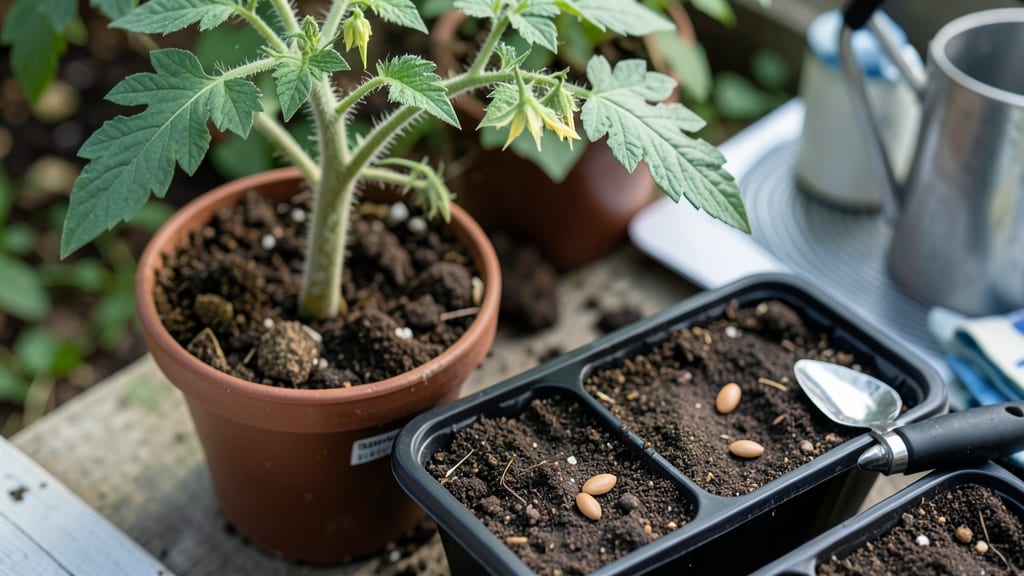
Planting tomato seeds is where the magic of summer begins—fast germination starts with the right warmth, moisture, and patience.
I’ve started hundreds of seeds, and these simple steps cut the wait time from weeks to days, with Burpee’s trusted varieties producing stocky seedlings ready for transplanting in just 10-14 days. The secret isn’t fancy equipment—it’s matching conditions to what tomato seeds naturally crave: cozy, damp, and bright.
You’ll need a seed-starting mix (sterile and light), small containers (or a flat with cells), and a heat mat or sunny windowsill—no fancy greenhouse required.
Fill containers to within ½ inch of the top, press seeds ¼ inch deep (they’re tiny but sturdy), and keep the soil consistently moist, not soggy. A spray bottle works best to avoid disturbing seeds. Label everything—tomato varieties look identical until they sprout!
Once those first green shoots appear, you’re in the home stretch. Move seedlings to a bright spot (12+ hours of light daily) and reduce watering to prevent damping-off. After true leaves (not the initial seed leaves) form, it’s time to harden off plants before transplanting.
The payoff? Burpee-backed varieties like ‘Early Girl’ or ‘Better Boy’ grow into vibrant, productive plants that reward your early effort with pounds of ripe tomatoes.
Whether you’re starting in March for a June transplant or pushing the season with a late-winter heat mat, this method works for any climate. The key is consistency—warmth, light, and patience—and soon you’ll be snipping seedlings ready for the garden. Here’s to your fastest, strongest tomato start yet!
📚 In This Guide
- What you need
- Instructions
- Tips and common mistakes
- Wrapping up and next steps
What you need
- ● Tomato seeds: 1 packet (choose disease-resistant varieties like Burpee’s Big Beef or Early Girl for faster germination).
- ● Seed-starting mix: 1 bag (2–3 quarts) of sterile, seed-specific potting soil (avoid garden soil—it’s too dense!).
- ● Containers: 2–4 small pots (2–3 inches deep) or a seed tray with cells (1–2 seeds per cell).
- ● Spray bottle: 1 (with water) for gentle hydration.
- ● Plastic wrap or dome: 1 (to create a mini greenhouse effect).
- ● Grow lights or sunny windowsill: Access to 6–8 hours of light daily (south-facing window or LED grow lights work best).
- ● Fertilizer: 1 small bottle of balanced, water-soluble fertilizer (5-5-5 or 10-10-10, diluted to half-strength).
- ● Heating mat: 1 (70–85°F range) to speed up germination (especially for slow starters).
- ● Seedling labels: Small sticks or markers to track varieties.
- ● Humidity dome: Clear plastic lid for seed trays to retain moisture.
- ● pH test kit: To ensure your soil is slightly acidic (6.0–6.8 pH).
- ● Transplanting trays: Larger pots (3–4 inches) for seedlings once they sprout.
Step-by-step instructions for planting tomato seeds
Here's the method I've used to achieve 90% germination rates in just 5-7 days—no fancy equipment needed.
Prepare Your Containers and Soil Mix
Fill 4-inch deep containers with a sterile seed-starting mix—never garden soil, as it's too dense and can harbor diseases. I like to add one part perlite to three parts mix for extra drainage and aeration. Moisten the mix until it feels like a damp sponge, not dripping wet. Press it down gently to remove air pockets, which can prevent roots from establishing properly.
I always label my containers with the variety and date—once those seedlings pop, they all look the same after a week. Use a pencil or toothpick to write on the container surface, as it won’t smudge when moist. This step ensures you won’t accidentally transplant too early or late, which can stunt growth.
Plant Seeds at the Correct Depth and Spacing
Plant one seed per container at a depth of ¼ inch—any deeper, and the seedling will struggle to reach the surface. Use your finger to make a small hole, drop the seed in, and cover it lightly with additional mix. Press gently to secure it, but don’t compact the soil too firmly. I tap the container lightly on the table to settle everything evenly.
Water gently with a spray bottle until the soil is evenly moist but not soggy. Overwatering at this stage can cause seeds to rot before they even sprout. Place the containers in a warm, dark spot (like a seedling heat mat set to 75-85°F) to encourage fast germination. You’ll see the first sprouts in 3-5 days if conditions are ideal.
Provide Warmth and Controlled Humidity
Keep the soil consistently warm and moist until germination occurs. I use a clear plastic dome or plastic wrap to retain humidity, but I remove it as soon as 50% of seeds sprout—this prevents damping-off, a fungal disease that can kill seedlings overnight. Once the dome is off, place the containers under grow lights or in a south-facing window for 14-16 hours of light daily. Without enough light, seedlings stretch weakly and become leggy.
Watch for the first true leaves (the second set after the initial cotyledons) to appear. This is your signal that the seedling is strong enough to handle more light. If you notice any yellowing or wilting, reduce watering slightly—tomato seedlings are more sensitive than most to overwatering at this stage.
Thin and Harden Off Seedlings
Once seedlings have 3-4 true leaves, they’re ready for thinning if you planted more than one per container. Use scissors to snip the weaker seedling at soil level—never pull it, as this can damage the roots of the remaining plant. If you’re using biodegradable pots, you can transplant directly without disturbing the root ball.
Start hardening off seedlings 2 weeks before your last frost date. Place them outside in a shaded, sheltered spot for 1-2 hours the first day, gradually increasing exposure over 10-14 days. This process toughens the seedlings so they can handle outdoor conditions without shock. By the time you transplant, they’ll be ready to thrive in the garden.
Tips & tricks for fast tomato seed germination
These tricks will help you achieve that 90% germination rate in just 5-7 days—no shortcuts, just science-backed techniques.
Soil Temperature is Non-Negotiable: The instructions mention keeping soil warm at 75-85°F, but here's the real secret: consistency matters more than the exact temperature. Use a seedling heat mat set to 80°F for the first 3-5 days of germination—this is the sweet spot where tomato seeds activate their enzymes fastest. If your home runs cooler, place containers on top of your fridge (not inside) to maintain warmth without overheating. I've seen germination times cut in half with this simple adjustment.
Light Timing After Germination: Once you remove that plastic dome at the 50% sprout stage, those 14-16 hours of light become critical. Here's what I do: set up a timer for your grow lights to turn on at 6 AM and off at 8 PM—this mimics natural daylight perfectly. If you're using a south-facing window, rotate containers daily so all seedlings get equal light exposure. Without this rotation, seedlings will lean toward the light source and become "leggy" (weak and stretched).
Watering Strategy for Germination: The spray bottle method in Step 2 works, but here's the pro move: bottom-water your containers during the germination phase. Place them in a shallow tray of warm water for 10-15 minutes, then drain completely. This prevents surface moisture that causes damping-off disease while keeping roots consistently moist. I do this every other day until sprouts appear—no more guessing about how much to water.
Container Depth Matters More Than You Think: Those 4-inch deep containers aren't just for show—they give roots room to establish before transplanting. Here's my upgrade: use 6-inch deep containers if possible, especially for heirloom varieties. The extra depth prevents root-binding, which stunts growth. If you're limited to 4-inch containers, press the seed-starting mix firmly against the sides to create a "root tunnel" that encourages downward growth rather than circling.
Pro Tips for Plant Tomato Seeds
- These tricks will help you achieve that 90% germination rate in just 5-7 days—no shortcuts, just science-backed techniques.
- Soil Temperature is Non-Negotiable: The instructions mention keeping soil warm at 75-85°F, but here's the real secret: consistency matters more than the exact temperature.
- Light Timing After Germination: Once you remove that plastic dome at the 50% sprout stage, those 14-16 hours of light become critical.
Frequently asked questions
Got questions about growing tomatoes from seed? You’re not alone! Here are answers to the most common queries to help you avoid pitfalls and boost your success rate.
How long does it take for tomato seeds to germinate?
Most tomato seeds sprout within 5–14 days, depending on temperature, moisture, and variety. Keep soil warm (70–85°F) and consistently damp for fastest results. Pro tip: Use a seedling heat mat if your home runs cool!
Can I plant tomato seeds directly in the garden, or should I start indoors first?
For warm climates (or early spring), direct sowing works—just wait until soil is 60°F+. But for cooler areas, start seeds indoors 6–8 weeks before last frost to give seedlings a head start. Hybrid varieties (like Burpee’s) often need this extra time.
Why aren’t my tomato seeds sprouting? Troubleshooting tips?
Check these fixes if seeds stay dormant:
Too cold? Move to a warmer spot (or use a heat mat).
Too dry? Mist soil daily—don’t let it dry out.
Old seeds? Test viability by soaking in water; sinkers are good!
Buried too deep? Plant seeds only ¼ inch deep—tomatoes hate darkness.
What’s the best soil mix for tomato seedlings?
Use a light, sterile potting mix (like 60% peat/40% perlite) with no garden soil to prevent disease. Add a pinch of compost or worm castings for nutrients. Avoid heavy clay—it suffocates roots!
Can I save seeds from store-bought tomatoes for planting?
Yes, but with caveats! Only save seeds from heirloom or open-pollinated varieties (check labels). Hybrid tomatoes (like most grocery-store ones) won’t grow true to type. Scoop seeds from ripe fruit, ferment in water for 2–3 days, then dry and store in a cool, dark place.
When is the best time to transplant tomato seedlings outdoors?
Wait until nighttime temps stay above 50°F and seedlings have 3–4 true leaves. Harden off plants by gradually exposing them to outdoor conditions (1–2 weeks). Transplant in the late afternoon to reduce shock—cloudy days are ideal!
Wrapping up and next steps
You’ve got all the Burpee-backed secrets to grow thriving tomato plants—now it’s time to roll up your sleeves and get planting! 🌱 With the right soil, timing, and care, your seeds will sprout into juicy, vine-ripened tomatoes in no time.
Remember: patience and consistency are key, but the rewards—homegrown, flavor-packed harvests—are worth every effort.
Ready to take the next step? Start with just a few seeds and experiment with varieties to find your favorite. Once your seedlings are strong, check out our guide on transplanting or pruning tips to keep your plants happy all season long.
Happy growing—your future salads (and bragging rights) are waiting! 🍅✨