
How To
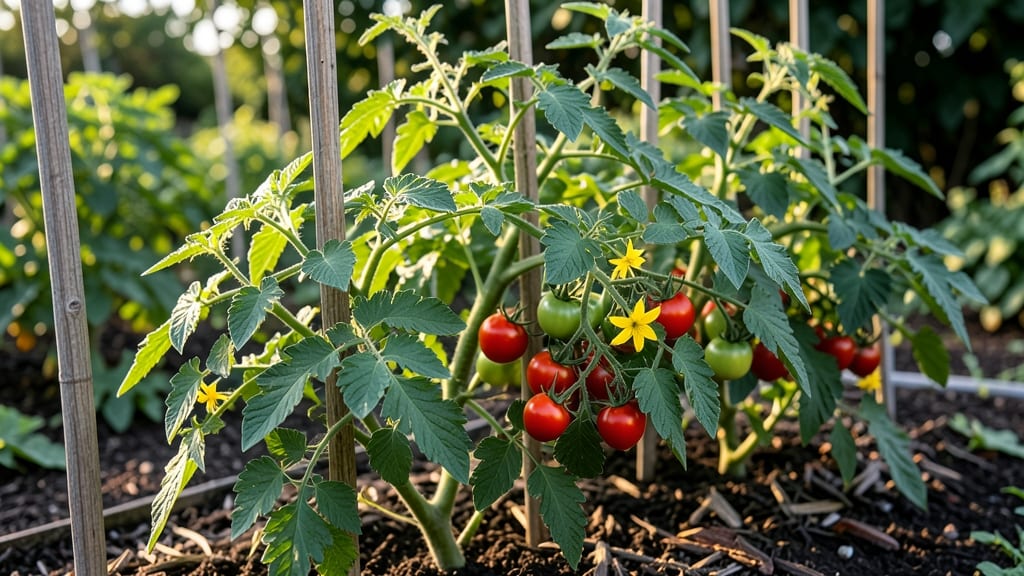
How tall a tomato plant grows depends entirely on the variety you choose—from 1-foot dwarf types to 12-foot giants that need a sturdy trellis.
If you’ve ever wondered whether your 🍅 plants will sprawl across the garden or stay neatly contained, the answer lies in whether you’re growing determinate (bush) types or indeterminate (vining) ones. Some varieties even surprise gardeners by growing taller than expected if given the right support.
Beyond the variety, factors like sunlight, pruning, and soil nutrients play a big role in how tall your tomato plants will grow. A well-pruned indeterminate plant can reach 6 feet or more, while a dwarf variety might max out at 2 feet—even in the same garden.
In this guide, you’ll learn how to predict your tomato plant’s height based on its type, how to control growth for easier harvesting, and which varieties are best for small spaces or tall trellises.

Tomato plant heights by variety: dwarf vs. indeterminate vs. semi-determinate
Choosing the right tomato variety starts with understanding their height potential.
Whether you have limited balcony space or dream of towering vines, knowing these categories will help you plan your garden layout and support needs. Dwarf varieties stay under 3 feet, while indeterminate giants can climb 12 feet or more—each with unique care requirements.
The key difference lies in their growth habits: determinate tomatoes (often called dwarf) grow to a fixed height and produce fruit all at once, while indeterminate varieties keep growing and produce fruit continuously. Semi-determinate types fall somewhere in between, offering a balance of size and productivity.
Dwarf tomatoes like 'Tiny Tim' reach just 18-24 inches, making them perfect for container gardening or windowsill growing. These varieties produce all their fruit at once, so plan for a single harvest wave in late summer. Their compact size means less maintenance but also fewer fruits per plant compared to taller types.
For semi-determinate varieties, think of 'Better Boy' or 'Celebrity', which grow 4-5 feet tall. These plants offer a middle ground—taller than dwarfs but not requiring the same vertical support as indeterminate types. They produce fruit over an extended period, giving you a steady supply of tomatoes throughout the season.
Indeterminate tomatoes like 'Brandywine' or 'Sungold' are the showstoppers, capable of reaching 10 feet or more with proper support. Their continuous flowering means you'll enjoy tomatoes from midsummer until frost. However, their height requires sturdy trellising or caging to prevent sprawling and disease.
When planning your garden, consider your space constraints and harvest preferences. Dwarf varieties excel in small spaces, while indeterminate types reward patient gardeners with a prolonged harvest. For urban gardeners, semi-determinate varieties strike the perfect balance between space efficiency and yield.
Pro tip: Always check the seed packet or plant tag for exact height expectations, as some varieties may vary slightly based on growing conditions. Sunlight exposure, soil fertility, and watering consistency can all influence how tall your tomatoes grow—even within the same variety category.
For container growers, choose dwarf varieties or prune indeterminate types aggressively to keep them under control. A 5-gallon pot works well for dwarf tomatoes, while larger containers (15+ gallons) are needed for indeterminate varieties with proper trellising.
Remember that pruning practices can also affect height. Regularly pinching back suckers (side shoots) on indeterminate plants encourages stronger stems and better airflow, which can sometimes reduce overall height while improving fruit quality.
Whether you're a balcony gardener or have acres of space, understanding these height categories will help you select the perfect tomato varieties for your needs—and maximize your harvest potential. 🌱
How to control tomato plant height naturally: pruning, trellising & support hacks
Managing your tomato plant height doesn’t require harsh chemicals—just a few natural techniques like strategic pruning and smart support systems. Whether you’re dealing with a 6-foot indeterminate vine or a 3-foot dwarf variety, these methods keep plants healthy while maximizing fruit production.
The key is balancing structural support with growth encouragement to avoid overcrowding or weak stems.
Overly tall tomato plants often suffer from poor air circulation or fruit rot, while stunted growth can mean nutrient deficiencies or root stress. By combining pruning, trellising, and organic growth regulators, you’ll create an ideal environment for both compact growth and high yields.
Start with the right support structure—whether it’s a cage, trellis, or stakes—to guide vines upward and prevent sprawling.
Step-by-Step Guide to Natural Height Control
-
1. Choose the Right Support
- Use cages for determinate varieties (3-5 ft)
- Install trellises for indeterminate types (6-12+ ft)
- Opt for stakes (bamboo or metal) for single-stemmed plants
-
2. Prune Strategically
- Remove suckers (side shoots) weekly for compact growth
- Trim lower leaves to improve airflow and fruit exposure
- Pinch top growth in late summer to redirect energy to fruiting
-
3. Use Organic Growth Regulators
- Apply seaweed extract (1 tbsp/gallon) to slow vine elongation
- Mix compost tea to boost root strength and compactness
- Avoid nitrogen-heavy fertilizers that promote leafy overgrowth
-
4. Adjust Watering Habits
- Water deeply but infrequently to encourage strong roots
- Avoid overhead watering to prevent disease and weak stems
- Use mulch (straw or grass clippings) to retain moisture
-
5. Monitor & Maintain
- Check plant ties weekly to prevent stem damage
- Rotate container plants for even sunlight exposure
- Harvest regularly to stimulate new growth
For indeterminate tomatoes, focus on vertical training to prevent vines from sprawling across garden beds. Tie main stems to supports every 12-18 inches and remove suckers (the small shoots in the leaf axils) to direct energy into fruit production rather than excessive foliage.
This method can reduce plant height by 30-50% while increasing harvest efficiency.
If you’re growing dwarf or bush varieties, minimal pruning is needed—just remove yellowed leaves or damaged branches to maintain plant health. Instead, prioritize container size (at least 5-gallon pots) and balanced fertilization to keep growth compact and manageable.
A 5-10-10 fertilizer applied every 4-6 weeks supports root development without encouraging excessive height.
Pro tip: Use bamboo stakes for single-stemmed plants like ‘Sungold’ cherry tomatoes, which grow 4-6 feet tall but benefit from vertical support to prevent stem breakage.
For heavier varieties like ‘Beefsteak’ tomatoes, opt for heavy-duty trellises or cages to support 6-12 pounds of fruit per plant without toppling.
Remember, natural height control isn’t about stunting growth—it’s about guiding it for healthier plants and bigger harvests. With these techniques, you’ll enjoy tomatoes at the perfect height—whether that’s tabletop-sized bushes or skyward vines—without sacrificing yield or plant vigor. 🌱