
How To
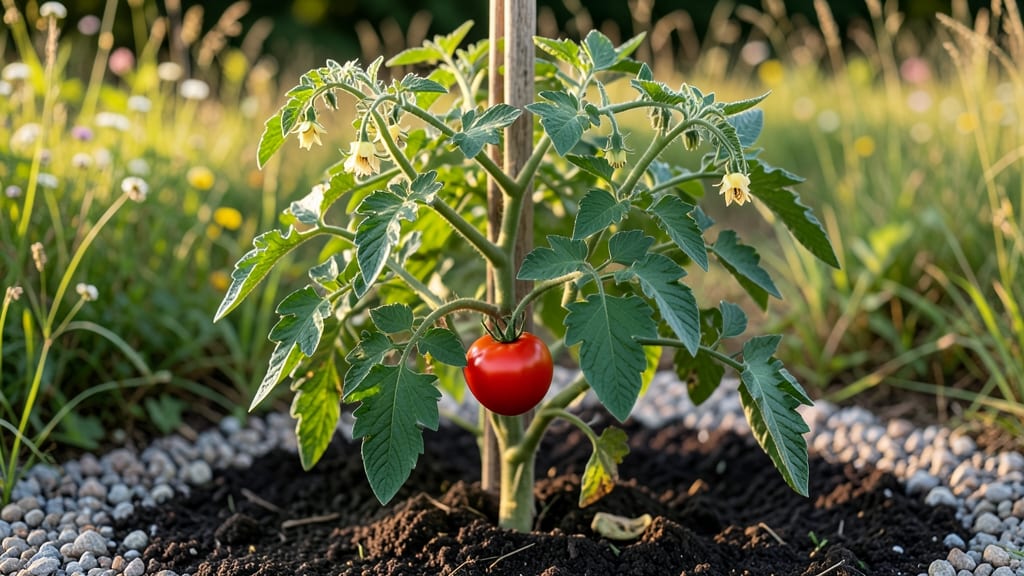
How tall do tomato plants grow? You’ll be surprised—some stay compact while others climb like jungle vines 🍅, reaching heights that could outgrow your garden plan!
Picture this: a cherry tomato variety barely clearing your waist, while a beefsteak tomato towers over your head, demanding a sturdy trellis. That’s the beauty of tomatoes—no two varieties grow the same way, and your space planning depends entirely on what you plant.
Determinate types (like Roma or Celebrity) top out at 3 to 4 feet, making them perfect for containers or small gardens. Indeterminate varieties, though? They’ll keep growing until frost, easily hitting 6 to 10 feet if given the right support—and that’s where things get interesting.
In this guide, I’ll break down the height ranges for popular varieties, share pro tips for managing sprawling plants, and help you choose the perfect size for your space—whether you’re a balcony gardener or a backyard farmer.

Tomato plant height by variety: dwarf to sky-high giants
When planning your garden, knowing how tall tomato plants grow is crucial—especially if you're working with limited space or want to maximize vertical growing. Tomato varieties fall into three main height categories: dwarf (1-2 ft), medium (2-4 ft), and indeterminate (6+ ft).
Each type has unique space requirements and growing habits that impact your harvest.
Dwarf varieties like Tiny Tim or Patio Princess are perfect for containers or small gardens, while indeterminate giants like Sungold or Brandywine can climb 10+ feet if given proper support. Understanding these differences helps you choose the right variety for your space and growing goals.
Below is a breakdown of tomato heights by category, including popular varieties, mature sizes, and space requirements to help you plan your garden layout effectively.
| Variety Type | Mature Height | Space Needs | Best For | Support Needed |
|---|---|---|---|---|
| Dwarf (Determinate) | 1-2 ft | Containers, small beds | Balconies, patios | None (bushy) |
| Semi-Dwarf (Determinate) | 2-4 ft | Small gardens, raised beds | Early harvests, urban gardens | Optional (stakes) |
| Medium (Determinate) | 4-5 ft | Standard garden beds | Heirloom varieties | Stakes or cages |
| Indeterminate (Vining) | 6-10+ ft | Vertical gardens, trellises | Cherry tomatoes, long harvests | Trellis or cage (essential) |
Dwarf varieties like Tiny Tim or Micro Tom are ideal for container gardening, reaching only 1-2 feet tall. These compact plants produce fruit quickly and are perfect for balconies or small urban gardens. Their bushy growth habit means they don’t require support, making them beginner-friendly.
Medium-height tomatoes, such as Celebrity or Better Boy, typically grow 4-5 feet tall and are well-suited for standard garden beds. These varieties often need stakes or cages to support their weight, especially as they produce fruit. They’re great for gardeners who want a balance between space efficiency and yield.
Indeterminate varieties, like Sungold or Cherokee Purple, are the tallest, often reaching 6-10 feet or more if given proper support. These vining plants produce fruit continuously throughout the season, but they require trellises or cages to prevent sprawling and maximize air circulation.
Without support, they can topple over under the weight of their fruit.
For container growing, stick to dwarf or semi-dwarf varieties in pots at least 5 gallons in size. Larger containers can accommodate medium-height varieties, but indeterminate types need vertical space—think tall cages or trellises mounted on walls or fences. Always ensure your container has drainage holes to prevent root rot.
If you're growing in-ground, space determinate varieties 18-24 inches apart and indeterminate types 24-36 inches apart to allow for proper airflow and sunlight penetration. Overcrowding can lead to disease pressure and reduced yields, so plan your layout with future growth in mind.
Pruning plays a key role in managing height, especially for indeterminate varieties. Regularly removing suckers (side shoots) can encourage upward growth and improve fruit quality. For dwarf varieties, minimal pruning is needed, but removing lower leaves helps prevent soil-borne diseases from splashing onto the fruit.
Climate also affects height—warmer regions may see faster, taller growth, while cooler areas might produce shorter, bushier plants. Always check your USDA hardiness zone and variety recommendations to ensure your tomatoes thrive in your local conditions.
Now that you know the height ranges, you can choose varieties that fit your space and growing style. Whether you're a container gardener or have a sprawling backyard, there’s a tomato variety perfect for you!
How to support tall tomato plants without sacrificing yield
Indeterminate tomato varieties like Sungold cherry tomatoes or Brandywine beefsteaks can grow 10+ feet tall if left unsupported, but proper support is key to maximizing yield while preventing disease. Without the right techniques, your plants may become top-heavy, leading to broken stems or fungal issues from poor airflow.
The secret lies in combining the right support system with strategic pruning and training—all while keeping your plants healthy and productive.
My favorite approach combines a strong trellis system with regular pruning to direct energy upward. I’ve found that cage-free support (like wooden stakes or A-frame trellises) actually encourages better airflow than traditional tomato cages, which can trap moisture.
The key is to start supporting your plants early—before they reach 2 feet tall—to prevent stem damage as they grow. Let me walk you through the exact methods I use to keep my tallest varieties thriving.
-
1Choose the right support: Wooden stakes (6+ ft) work best for single plants, while A-frame trellises save space for multiple vines. For heavy varieties like Big Beef, use 3 stakes per plant in a tripod configuration.
-
2Prune aggressively: Remove suckers (side shoots) weekly to focus energy on fruit production. For indeterminate varieties, prune lower leaves up to 18 inches from the ground to improve airflow and reduce disease risk.
-
3Train vines upward: Gently tie stems to supports every 12-18 inches using soft cloth or rubber ties. Avoid wire or tight bindings, which can damage stems. For heavy varieties, add a second tie point mid-stem.
-
4Prevent disease: Space plants 18-24 inches apart for airflow, and avoid overhead watering. Use mulch to keep soil moist but not soggy, and remove yellow leaves immediately to stop fungal spread.
One common mistake I see is using metal cages for tall varieties—they’re too flimsy and can’t handle the weight of 10-pound tomatoes like Brandywine. Instead, I recommend heavy-duty wooden stakes or powder-coated metal trellises for longevity.
For container growing, 5-gallon fabric grow bags with built-in stakes work surprisingly well, as they provide 360-degree support without crowding.
Pro tip: If your plants start leaning, it’s often a sign of uneven sunlight or root stress. Adjust the trellis to keep the main stem vertical, and check for compacted soil or root-bound pots.
I’ve had 12-foot-tall Black Krim plants stay upright by adding a second stake at the base for stability during storms.
Remember, the goal isn’t just to grow tall tomatoes—it’s to grow healthy, productive plants that yield all season long. With the right support and care, even indeterminate giants can thrive in small spaces, giving you continuous harvests until the first frost. 🌱