
Fertilization
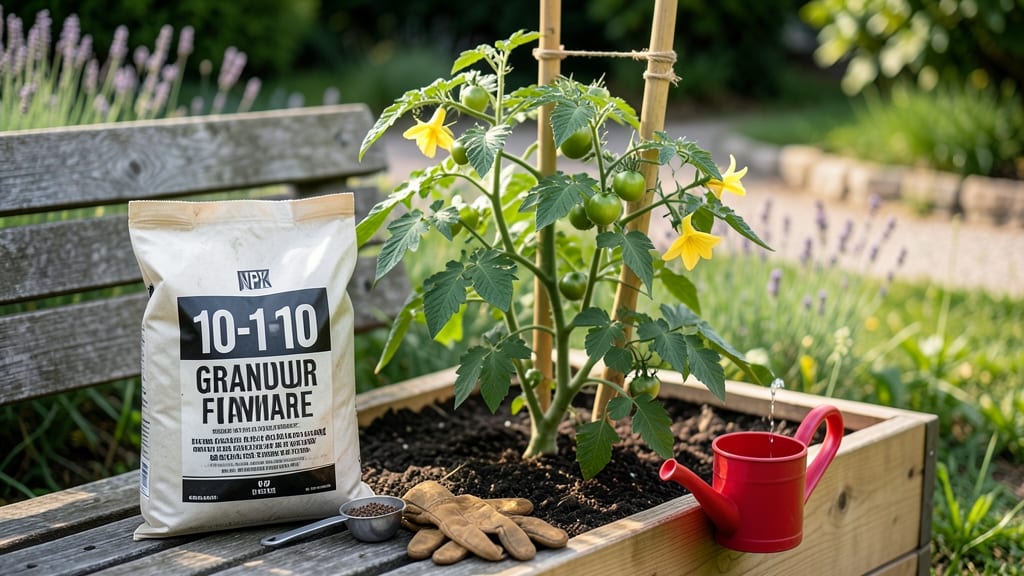
To feed your 🍅 tomato plants with 10-10-10 fertilizer, start with 1 tablespoon per plant at transplanting, then repeat every 4–6 weeks—but timing and amount matter more than you think.
Struggling to get the perfect balance of nutrients for your tomato plants? Over- or under-fertilizing with 10-10-10 can mean the difference between a bumper crop and stunted growth—here’s the exact science-backed feeding schedule you need.
Most gardeners skip the soil test and guess, but tomatoes thrive when nitrogen, phosphorus, and potassium are in sync. Too much early on? You’ll get leafy vines with no fruit.
Too little later? Your plants will bolt before harvest. I’ll walk you through the stage-by-stage plan that keeps your 🍅 tomatoes producing all season.
You’ll also learn when to switch to organic options, how to spot over-fertilization (yellow leaves, anyone?), and the one trick that cuts waste by 50%. Let’s get those plants fed right.

10-10-10 Fertilizer dosage for tomato plants by growth stage: exact measurements for healthy plants
Getting the 10-10-10 fertilizer right for your tomato plants isn’t about guessing—it’s about matching their nutrient needs at each growth stage. Too little, and your plants struggle; too much, and you risk nutrient burn or weak stems.
The key is precision, especially when your tomatoes are transitioning from seedlings to heavy fruit production.
Tomatoes thrive when fed balanced nutrients (nitrogen for leaves, phosphorus for roots, potassium for fruit). A 10-10-10 fertilizer provides equal parts of each, making it ideal for most stages—but the dosage changes as your plants grow.
Below, I’ll break down exactly how much to use, when, and how to apply it without harming your plants.
Pro Tip: Always water your plants thoroughly before and after applying fertilizer to prevent root damage. This is especially critical for granular 10-10-10, which can burn tender roots if dry.
| Growth Stage | Granular 10-10-10 (per plant) | Liquid 10-10-10 (per gallon of water) | Frequency | Key Notes |
|---|---|---|---|---|
| Seedling Stage (0-4 weeks) | ½ teaspoon (lightly sprinkle around base) | ¼ teaspoon per gallon | Once at transplanting | Avoid overfeeding; seedlings need nitrogen but can’t process too much |
| Vegetative Growth (4-6 weeks) | 1 teaspoon (side-dress 2 inches from stem) | ½ teaspoon per gallon | Every 3-4 weeks | Focus on leafy growth; reduce if plants get leggy |
| Flowering Stage (6-8 weeks) | 1 tablespoon (work into soil) | 1 teaspoon per gallon | Every 4 weeks | Boost phosphorus for blooms; avoid nitrogen excess |
| Fruiting Stage (8+ weeks) | 1 tablespoon (side-dress) | 1 teaspoon per gallon | Every 4-6 weeks | Prioritize potassium for fruit quality; reduce if leaves yellow |
| Harvest Season (Ongoing) | ½ tablespoon (optional) | ¼ teaspoon per gallon | Every 6-8 weeks | Light feeding only if plants show signs of stress |
For container-grown tomatoes, halve the granular amounts since roots have less soil to access nutrients. Liquid 10-10-10 fertilizer is easier to control in pots—just mix it into your watering can and apply it directly to the soil, avoiding the leaves to prevent chemical burns.
Watch for yellowing leaves or brown leaf tips, which signal over-fertilization. If this happens, flush the soil with water only for 2-3 days to leach excess salts. Under-
How often to fertilize tomato plants with 10-10-10: weekly schedule and signs of over/under-feeding
Fertilizing your tomato plants with 10-10-10 fertilizer requires precision—too much can burn roots, while too little stunts growth. The key is timing and dosage based on your plant's growth stage.
I’ve learned this the hard way after accidentally over-feeding my first batch of cherry tomatoes, which led to yellowing leaves and poor fruit set.
For optimal yield, start fertilizing after transplanting when plants show their first true leaves. This is when they need nutrients most. The 10-10-10 ratio provides balanced nitrogen, phosphorus, and potassium, but the amount changes as your plants mature.
Below is a breakdown of when and how much to apply, plus warning signs to watch for.
⚠️ How Much 10-10-10 Fertilizer per Tomato Plant?
Dosage by Stage:
- Seedlings (1-2 weeks post-transplant): ½ teaspoon mixed into soil or 1 tablespoon per 5 gallons of water (foliar spray).
- Vegetative Growth (3-6 weeks): 1 tablespoon per plant every 3-4 weeks.
- Flowering/Fruiting: 1 tablespoon per plant every 2-3 weeks.
Critical Tip: Always water soil thoroughly before and after applying fertilizer to prevent root burn. For container-grown tomatoes, reduce by half (¼–½ tablespoon) due to limited soil volume.
Your tomato plants will signal their needs through leaf color and stem strength. For example, dark green leaves with purple stems indicate phosphorus deficiency, while crispy, brown leaf edges mean you’ve overdone it.
I once saw my heirloom tomatoes develop yellow lower leaves—a classic nitrogen deficiency—after skipping a feeding during a busy week.
Adjust your schedule dynamically. If your plants are bolting too fast (sending up flowers early), cut back on nitrogen-heavy feeds. Conversely, if growth slows during fruit set, increase potassium with a low-nitrogen fertilizer like 5-10-10.
My determinate varieties (like Roma tomatoes) respond well to a final feed when the first fruits appear, while indeterminate types (like Beefsteak) need consistent feeding all season.
Monitor your plants weekly for these warning signs:
- Over-fertilized: Crispy leaf edges, stunted growth, white crust on soil.
- Under-fertilized: Pale yellow leaves, weak stems, few flowers.
For container gardens, flush the soil with water every 6-8 weeks to remove excess salts. I learned this after my potted tomatoes developed blackened roots from accumulated fertilizer salts. If you’re using organic alternatives like compost tea, reduce the 10-10-10 by half, as organics release nutrients slowly.
Remember, tomatoes are heavy feeders but don’t need fertilizer year-round. Once your plants start ripening fruit in late summer, taper off feeds to let them focus on producing sweet, flavorful tomatoes instead of new growth.
My best harvests come from plants that get consistent but measured care—just like the ones I’ve nurtured for years.