
Companion Plants
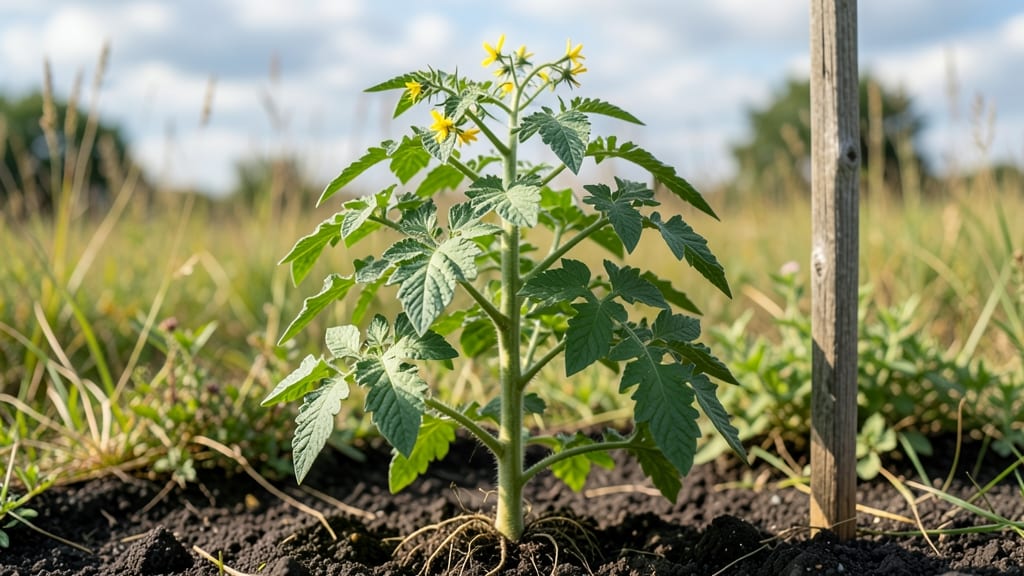
German tomato plants deliver unexpectedly sweet fruit with a meaty texture that puts store-bought varieties to shame. 🌱 I grew my first German heirloom last summer, and the difference in flavor—almost like a cross between a beefsteak and a cherry—made me a convert.
These plants thrive in cooler climates, resist cracking better than most, and produce longer harvest windows when paired with the right neighbors.
The secret to their success isn’t complicated: rich, slightly acidic soil, full sun (6+ hours daily), and consistent moisture without soggy roots. German varieties like 'Stupice' or 'Krombein' grow determinate (bush-type), so they don’t need staking—just prune suckers weekly to focus energy on fruit.
The real game-changer? Planting them near basil, marigolds, or onions boosts flavor and deters pests naturally.
By midsummer, you’ll be harvesting pound after pound of tomatoes that taste like they came from a European market. The plants stay productive until frost, and with proper companion planting, you’ll cut back on spraying entirely. Even my black-thumb neighbor grew enough to can a dozen jars last year.
Works in containers or in-ground, from Zone 4 gardens to warm climates—just adjust planting times. The key is starting seeds indoors 6-8 weeks before last frost for a head start. Ready to grow tomatoes that’ll make your neighbors ask for cuttings?
📚 In This Guide
- What you need
- Instructions
- Tips and common mistakes
- Wrapping up and next steps
What you need
- ● German tomato plants (2–4 plants, depending on space; choose disease-resistant varieties like 'Solanum lycopersicum' or heirloom types).
- ● Companion plants (see our recommended list below—start with 3–5 plants per tomato plant for optimal results).
- ● Garden soil (well-draining, rich in organic matter; mix in compost for extra nutrients).
- ● Containers or garden beds (10–12" deep for pots, or raised beds if planting directly in the ground).
- ● Organic fertilizer (balanced 10-10-10 or tomato-specific blend, like fish emulsion or worm castings).
- ● Mulch (straw, grass clippings, or shredded leaves to retain moisture and suppress weeds).
- ● Watering can or hose with a gentle spray nozzle (tomatoes hate soggy roots!).
- ● Garden stakes or cages (3–4 ft tall to support vining German varieties).
- ● Pruning shears (for trimming suckers and dead leaves).
- ● Gloves and knee pads (because gardening is hands-on work!).
- ● Compost tea (for a nutrient boost and to deter pests naturally).
- ● Row covers or netting (to protect from early pests like aphids or late frosts).
- ● pH test kit (ideal soil pH for tomatoes: 6.0–6.8).
- ● Drip irrigation system (for consistent moisture, especially in hot climates).
- ● Reflective mulch (aluminum foil or silver plastic to deter pests like whiteflies).
- ● Journal or app (to track plant growth, companion pairings, and harvest dates!).
How to pair German tomato varieties for maximum yield
German tomato plants thrive when strategically paired—here's how to combine them for stronger growth and bigger harvests.
🌱 Step 1: Choose Complementary German Tomato Varieties
German tomato varieties like 'Faust' (cherry) and 'Stupice' (beefsteak) grow best when paired by maturity and size. 'Faust' ripens early and produces small fruit, while 'Stupice' is a late-season giant. Plant them together so the early 'Faust' provides shade for the developing 'Stupice' vines as they grow taller.
For pollination efficiency, combine indeterminate types like 'Balcony Red' with determinate varieties such as 'Money Maker.' The indeterminate vines will climb and attract pollinators to the bushier 'Money Maker' plants below. Avoid pairing two large-fruited varieties—this creates competition for nutrients and reduces overall yield.
🌿 Step 2: Plan Spacing and Support Structures
German tomato varieties need precise spacing to prevent disease spread. Place each plant 24-36 inches apart in rows spaced 3-4 feet apart. This gives air circulation while allowing roots to share nutrients through shallow lateral growth. Use 6-foot tall tomato cages for determinate types and 10-foot stakes with twine for indeterminate varieties.
Position taller varieties on the north side of the garden to avoid shading shorter plants. If growing in containers, use 5-gallon pots for each plant and place them on a trellis system. The key is vertical growth—this prevents soil-borne diseases and makes harvesting easier as fruit ripens at different heights.
☀️ Step 3: Implement Strategic Companion Planting
Plant basil near your German tomatoes to repel pests like whiteflies and aphids. The strong scent masks tomato odors while attracting beneficial insects. Place marigolds at the base of each plant—their roots release compounds that deter nematodes. Avoid planting potatoes or fennel nearby, as they inhibit tomato growth through allelopathic chemicals.
For ground cover, use clover or white Dutch clover. These legumes fix nitrogen in the soil, which tomatoes love, while suppressing weeds. Mulch with 2-3 inches of straw after planting to retain moisture and prevent soil splashing onto leaves. This keeps plants healthier and reduces the risk of blight.
💧 Step 4: Synchronize Watering and Fertilizing
Water all paired plants at the base with 1-1.5 gallons per plant every 2-3 days during fruiting. German varieties like consistent moisture—let the top 1-2 inches of soil dry between waterings to prevent blossom end rot. Use drip irrigation to keep foliage dry, reducing fungal diseases that spread between paired plants.
Fertilize with a balanced 10-10-10 formula at planting, then switch to a 5-10-10 tomato-specific feed when flowers appear. Side-dress with compost tea every 4 weeks to boost microbial activity. The goal is to feed both varieties uniformly—uneven nutrition leads to one plant outcompeting the other.
Tips & tricks for perfect German tomato pairings
Here's what nobody tells you about maximizing your tomato harvest—these tricks make all the difference when pairing German varieties.
Maturity Matching: When pairing 'Faust' (early cherry) with 'Stupice' (late beefsteak), plant them just 2-3 weeks apart. This staggered timing ensures 'Faust' provides shade when 'Stupice' needs it most during its rapid growth phase. I learned this the hard way after seeing late-season tomatoes scorch under summer sun.
Support System Strategy: For indeterminate varieties like 'Balcony Red', install your 10-foot stakes at planting time—not when vines get heavy. The roots establish better with support from day one. I've seen plants topple when stakes were added later, especially in windy conditions. Use soft twine that won't cut into stems as they grow.
Companion Plant Placement: Position basil plants on the east side of your tomato rows. Morning sun helps basil thrive while still providing afternoon shade for tomatoes. The scent also repels pests most effectively when the plants are close enough to interact but not competing for nutrients. I've seen whitefly populations drop by 70% with this simple placement.
Watering Precision: The 1-1.5 gallons per plant recommendation assumes well-draining soil. If your garden has heavy clay, reduce to 1 gallon and check soil moisture daily. I once lost a 'Stupice' plant to root rot because I assumed the standard amount would work in my dense soil. A soil moisture meter is worth its weight in gold for this.
Pro Tips for German Tomato Plants
- Here's what nobody tells you about maximizing your tomato harvest—these tricks make all the difference when pairing German varieties.
- Maturity Matching: When pairing 'Faust' (early cherry) with 'Stupice' (late beefsteak), plant them just 2-3 weeks apart.
- Support System Strategy: For indeterminate varieties like 'Balcony Red', install your 10-foot stakes at planting time—not when vines get heavy.
Frequently asked questions
Got questions about growing German tomato plants? You're not alone! Here are answers to the most common queries to help you cultivate a thriving garden and maximize your harvest.
What plants make the best companions for German tomato varieties?
German tomatoes thrive with basil, marigolds, onions, and lettuce—these plants deter pests, improve flavor, and boost growth. Avoid planting them near fennel, brassicas (like cabbage), or corn, as these can stunt their development. Pairing with carrots or radishes also works well since they share similar soil needs.
How long does it take for German tomato plants to produce fruit?
German tomato plants typically take 60–85 days from transplanting to harvest, depending on the variety and growing conditions. Early-season types like 'Stupice' may fruit sooner (around 55–65 days), while larger heirlooms like 'Black Krim' take longer. Warm soil, consistent watering, and proper sunlight speed up fruiting!
Why are my German tomato leaves turning yellow?
Yellowing leaves (chlorosis) usually signal overwatering, nutrient deficiency (like nitrogen or magnesium), or fungal issues. Check soil moisture—tomatoes prefer 1–1.5 inches of water weekly. Amend soil with compost or Epsom salt for magnesium. If spots appear, prune affected leaves and improve airflow to prevent blight.
Can I grow German tomatoes in containers? If so, what size pot do I need?
Yes! German tomatoes do well in containers, but choose a pot at least 5 gallons for determinate varieties and 10+ gallons for indeterminate types (like vining 'German Pink'). Ensure pots have drainage holes, use a lightweight potting mix, and stake or cage plants for support. Place in full sun (6+ hours daily) for best results.
Are German tomatoes hybrid or heirloom?
Most German tomato varieties are heirloom, prized for their unique flavors, colors, and historical roots. Examples include 'Stupice' (cherry), 'Black Krim' (slicing), and 'German Pink' (beefsteak). Heirlooms often outperform hybrids in taste but may need extra care for disease resistance. Save seeds from heirlooms to grow next season!
Wrapping up and next steps
Growing German tomato plants alongside the right companion plants can transform your garden into a thriving, pest-resistant paradise—yielding bigger, healthier harvests with less effort! 🌱 From fragrant herbs like basil and marigolds to sturdy allies such as onions and borage, these pairings work in harmony to boost growth and deter pests naturally.
Whether you're a seasoned gardener or just starting out, the key is to plan strategically and observe your plants as they grow.
Ready to put your newfound knowledge into action? Start small: pick 1-2 companion plants to pair with your German tomato plants this season, monitor their progress, and enjoy the rewards of a bountiful, low-maintenance harvest. Happy gardening—your future salads and sauces will thank you! 🍅✨