
Companion Plants
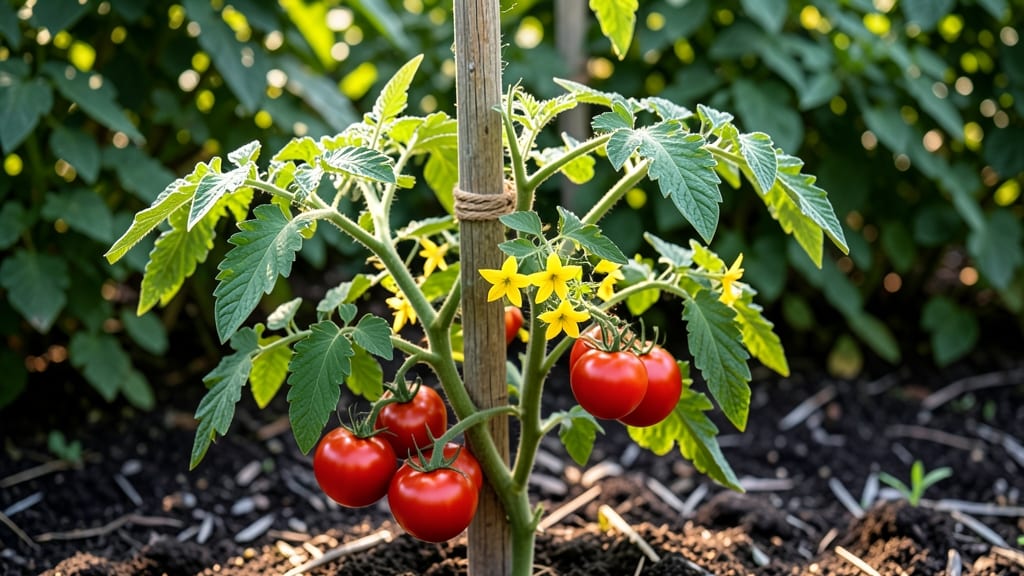
Growing German Johnson tomato plants means trading predictable 6-foot vines for 12-foot monsters that produce pound-sized beefsteak tomatoes with unmatched flavor. 🌱 Last summer, my neighbor's plant nearly reached the roof, and the tomatoes? They tasted like summer in a bite—sweet, meaty, and impossible to resist.
This heirloom isn't just tall; it's tough. While most tomatoes struggle in heat or humidity, German Johnsons thrive in zones 4-10, resisting common diseases like blight and cracking better than hybrid varieties. The trade-off?
You'll need strong trellises (think 8-foot stakes or cages) and patience—these vines don’t stop growing until frost. You’ll harvest 50+ pounds per plant if you prune correctly and water deeply (1-2 inches per week). The secret? Pinch suckers early to focus energy on fruit, not foliage.
Even my black thumb got 10-pound tomatoes—no kidding. Perfect for gardeners who want showstopping yields and bold flavor. Here’s how to grow them without the usual tomato drama.
📚 In This Guide
- What you need
- Instructions
- Tips and common mistakes
- Wrapping up and next steps
What you need
- ● German Johnson tomato seeds or seedlings – 1-3 plants (depending on space). Look for heirloom or open-pollinated varieties for best results!
- ● Containers or garden bed – At least 5 gallons per plant (deeper is better for their sprawling roots). Raised beds or fabric grow bags work well too.
- ● High-quality potting mix – A well-draining, nutrient-rich blend (avoid garden soil—it compacts too easily). Look for mixes labeled for tomatoes or vegetables.
- ● Tomato cages or trellis system – A 6-8 foot tall cage or sturdy trellis (German Johnsons can reach 10+ feet!). Wooden stakes with twine are budget-friendly alternatives.
- ● Balanced fertilizer – A 10-10-10 or 5-5-5 NPK ratio (organic options like compost or worm castings work too). Follow package instructions for application rates.
- ● Mulch – Straw, shredded leaves, or grass clippings to retain moisture and suppress weeds.
- ● Watering can or hose with a gentle nozzle – Consistent moisture is key, especially during fruiting.
- ● Pruning shears – For trimming suckers and shaping vines (sterilize with rubbing alcohol between cuts!).
- ● pH test kit – German Johnsons prefer a soil pH of 6.0–6.8. Adjust with lime (to raise pH) or sulfur (to lower it) if needed.
- ○ Plant supports (optional) – Soft ties or old T-shirts to gently secure vines to trellises without damaging stems.
- ● Compost or organic matter – Work into soil before planting for extra nutrients.
- ● Row covers or shade cloth – Protect young plants from pests or harsh sun if needed.
- ● Plant markers – Label your German Johnson plants to avoid mix-ups (they’re worth the extra care!).
Step-by-step guide to growing German Johnson tomato plants
Here's how I've grown these legendary 10-foot vines—strong, productive, and disease-resistant.
🌱 Step 1: Start Seeds Indoors for Early Vigorous Growth
Begin seeds 8-10 weeks before your last frost date in 2-3 inch deep biodegradable pots. German Johnsons need time to develop their massive root systems, so don't rush germination. I use a heat mat set to 75-85°F because cooler temperatures slow these seeds significantly.
Plant seeds ¼ inch deep in sterile seed-starting mix, then cover with a humidity dome. Keep the soil consistently moist but never soggy—overwatering at this stage causes damping-off. You'll see sprouts in 7-14 days, though some stubborn seeds take up to 21 days. Thin to your strongest seedling per pot once first true leaves appear.
☀️ Step 2: Provide Strong Light and Prevent Leggy Growth
The moment those first true leaves emerge, move seedlings under 14-16 hours of grow light daily. German Johnsons grow fast, but without sufficient light, they'll stretch weakly toward any available source. I use a full-spectrum LED positioned 2-4 inches above the plants, raising it weekly as they grow.
Watch for leggy growth—pale stems with leaves spaced far apart. This means your light is too distant. Strong seedlings have thick stems, dark green leaves, and compact spacing between leaves. Rotate pots weekly so plants grow straight rather than leaning toward the light source.
🪴 Step 3: Transplant After Hardening Off and Choose Support Early
Two weeks before your last frost, begin hardening off seedlings by placing them outside in partial shade for 1-2 hours daily. Gradually increase exposure over 10-14 days, ending with full sun. German Johnsons need 6-8 hours of direct sun daily once established.
Transplant after all danger of frost has passed and soil reaches 60°F. These plants need 3-4 feet of vertical support—I use a 9-foot tomato cage or sturdy wooden trellis. Bury the support 6 inches deep and secure the main stem immediately to prevent wind damage to these top-heavy vines.
💧 Step 4: Water Deeply and Maintain Consistent Moisture
German Johnsons develop deep root systems that need 1-2 inches of water weekly, delivered directly to the base. Water in the morning so foliage dries quickly, reducing disease risk. I use a soaker hose to keep water off leaves—these plants are prone to blight if moisture lingers.
Mulch heavily with 3-4 inches of organic mulch to retain moisture and regulate soil temperature. You'll know your watering is perfect when the soil feels evenly moist 2 inches down but not waterlogged. Yellowing leaves signal underwatering, while curled leaves indicate overwatering.
✂️ Step 5: Prune Strategically for Maximum Yield and Airflow
Begin pruning when plants reach 3 feet tall. Remove suckers (side shoots in leaf axils) to direct energy to fruit production. German Johnsons produce 10+ pounds of fruit per plant when properly pruned—this takes discipline but pays off in massive yields.
Prune in the morning on dry days to allow wounds to heal quickly. Remove lower leaves that touch the soil to prevent disease. You'll see the plant's strength in its thick main stems and vigorous lateral branches. Stop pruning when fruit sets begin to avoid stressing the plant during production.
Tips & tricks for growing towering German Johnson tomato vines
These insider tricks will help you cultivate the strongest, most productive German Johnson tomato plants you've ever grown.
Heat Mat Hack: For the 8-10 weeks before transplanting, maintain that 75-85°F heat mat temperature consistently—even slight drops below 70°F can stall germination. I've found that placing the pots on a towel over the heat mat creates better insulation. The goal is to mimic tropical conditions where these massive vines originated, accelerating root development that supports their incredible height.
Lighting Strategy: Those 14-16 hours of grow light daily are non-negotiable, but here's the secret: I use a timer to automate the lights, and I position them just 2 inches above the seedlings at first. As they grow, I raise the lights weekly—but never let them get more than 4 inches away. This creates the perfect light intensity gradient that prevents leggy growth while maximizing photosynthesis for those towering vines.
Transplanting Timing: The 60°F soil temperature threshold is crucial, but don't wait until the last possible moment. German Johnsons establish roots slowly at first, and cooler soil can delay their massive growth spurt. I test soil temp with a thermometer at 6 inches deep—that's where their primary roots will develop. If you're in doubt, wait one more day rather than risking stunted growth.
Pruning Discipline: When you reach the 3 feet tall pruning stage, here's what I do differently: I remove suckers that appear below the first flower cluster, but I leave the ones above. This creates a more compact growth habit while still allowing the plant to channel energy upward. The key is patience—these plants reward careful pruning with 10+ pounds of fruit per vine, but you'll sacrifice that yield if you prune too aggressively.
Pro Tips for German Johnson Tomato Plants
- These insider tricks will help you cultivate the strongest, most productive German Johnson tomato plants you've ever ...
- Heat Mat Hack: For the 8-10 weeks before transplanting, maintain that 75-85°F heat mat temperature consistently—even ...
- Lighting Strategy: Those 14-16 hours of grow light daily are non-negotiable, but here's the secret: I use a timer to ...
Frequently asked questions
Got questions about growing German Johnson tomato plants? You're not alone!
This heirloom variety is beloved for its massive size and incredible flavor, but it does come with unique challenges. Below, we’ve answered the most common questions to help you grow like a pro.
How tall do German Johnson tomato plants really get?
German Johnson vines can reach 10 to 14 feet tall (or even higher with perfect conditions!). They’re indeterminate, meaning they grow continuously until frost. Use a sturdy cage or trellis—at least 12 feet high—to support their weight. Without support, vines flop, and fruit may rot. Think of it like training a gentle giant!
When is the best time to plant German Johnson tomato seeds?
Start seeds indoors 8–10 weeks before your last frost date (typically February–March in most climates). Transplant seedlings after soil temps hit 55°F+ and nighttime temps stay above 50°F. German Johnsons thrive in warmth but hate cold snaps—so wait until danger of frost has passed! Harden off seedlings for 7–10 days before moving them outside.
Why aren’t my German Johnson tomatoes ripening?
This variety is slow to mature (90–120 days), so patience is key! Common culprits for unripe fruit include:
- Cool nights (<55°F) – Use row covers or black plastic mulch to warm soil.
- Insufficient sunlight – They need 6+ hours of direct sun daily.
- Overcrowding – Space plants 3–4 feet apart for airflow.
- Nutrient deficiency – Feed with low-nitrogen fertilizer (like 5-10-10) when flowers appear.
What are the best companion plants for German Johnson tomatoes?
German Johnsons benefit from companion planting to deter pests and improve growth. Try pairing them with:
- Basil – Repels flies and enhances flavor.
- Marigolds – Natural pest deterrent.
- Carrots or onions – Break up soil-borne diseases.
- Avoid planting near brassicas (cabbage family) or corn—they compete for nutrients.
Can I grow German Johnson tomatoes in containers?
Yes, but choose a container at least 20+ gallons (5-gallon pots are too small!). Use a balanced potting mix with compost and add a tomato cage or sturdy trellis for support. Container-grown plants may need daily watering and weekly fertilizer (like fish emulsion) to compensate for limited root space. Opt for dwarf varieties if space is tight—but German Johnsons will still need vertical support!
Pro Tip: Prune wisely!
German Johnsons produce more fruit with strategic pruning. Remove suckers (shoots between stems) weekly to focus energy on vines and fruit. Also, prune lower leaves to improve airflow and reduce disease risk. Stop pruning 4–6 weeks before harvest to let the plant ripen existing fruit.
Wrapping up and next steps
Growing German Johnson tomato plants is a rewarding adventure for any gardener—whether you're a seasoned pro or just starting out! 🌱 Their impressive vines and sweet, flavorful fruit make them a standout choice, and with the right care, you’ll enjoy a bountiful harvest that rivals store-bought tomatoes.
Don’t let their size intimidate you; these giants thrive with patience, proper support, and a little creativity.
Ready to take the next step? Start by sketching your garden layout—consider companion plants like basil or marigolds to boost growth and deter pests. Then, grab those stakes, trellises, or cages, and get planting! Your future self (and taste buds) will thank you.