Companion Plants
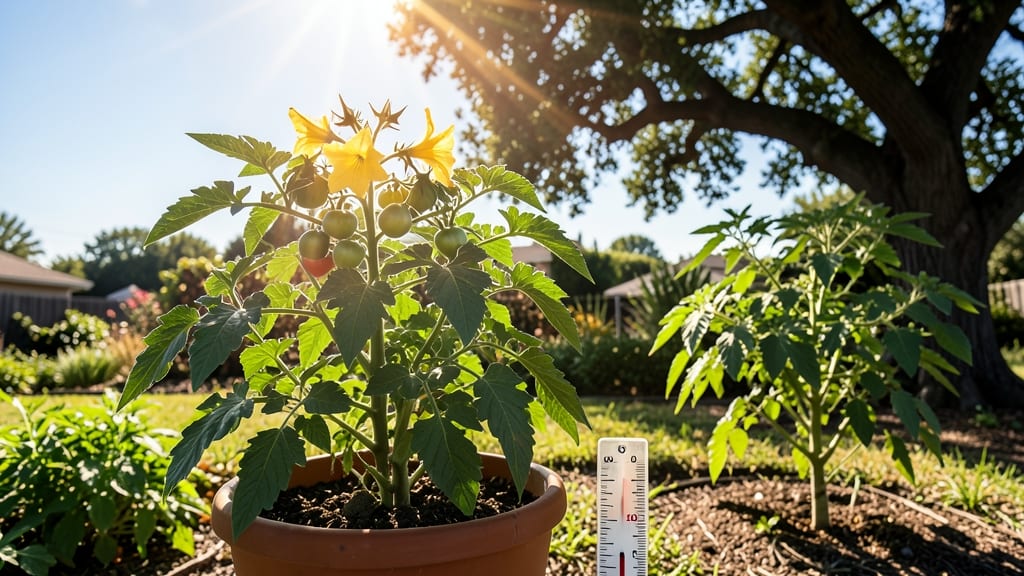
Tomato plants absolutely need sun to thrive—6 to 8+ hours of direct sunlight daily is the non-negotiable rule for juicy harvests and strong growth.
If your 🍅 vines are stretching toward the sky like they’re auditioning for a ballet or producing tiny, bland fruits, light deprivation is likely the culprit. Sunlight isn’t just a preference for tomatoes—it’s the fuel that turns leaves into energy and blossoms into fruit.
Without enough sun, you’ll see leggy stems, pale leaves, and poor fruiting, even if you’re watering and fertilizing like a pro. The good news? A few simple adjustments—like choosing the right spot, using reflective mulch, or even grow lights—can make all the difference.
In this guide, I’ll break down exactly how much sun tomatoes need, how to spot the signs of light starvation, and 5 smart tricks to maximize sunlight even in shady spots. Let’s get those plants soaking up the rays!

How much sun do tomato plants Really Need for Optimal Growth?
Tomatoes are sun worshippers—they crave 6 to 8+ hours of direct sunlight daily to thrive. Without enough light, your plants will struggle to produce fruit, grow leggy, or even bolt (flower prematurely).
But not all tomatoes have the same needs. Indeterminate varieties like 'Sungold' or 'Better Boy' demand more sun to support their endless vines, while determinate types like 'Roma' or 'Celebrity' can tolerate slightly less—though never less than 6 hours.
Many gardeners assume partial shade is fine for tomatoes, but this is a common misconception. While morning sun + afternoon shade might work in hot climates, fruit development suffers—leading to poor flavor, cracked tomatoes, or even blossom end rot.
The key is consistent, bright light that fuels photosynthesis and sugar production in the fruit.
| Variety Type | Minimum Sunlight | Ideal Sunlight | Fruit Impact | Notes |
|---|---|---|---|---|
| Indeterminate (e.g., 'Cherry Tomato', 'Beefsteak') | 6+ hours | 8-10+ hours | Large, flavorful fruit | Needs staking; vines grow indefinitely |
| Determinate (e.g., 'Roma', 'Celebrity') | 6 hours | 6-8 hours | Compact, consistent harvest | Bushy growth; no pruning needed |
| Heirloom (e.g., 'Brandywine', 'San Marzano') | 7+ hours | 8-10 hours | Rich, complex flavor | Often indeterminate; needs space |
| Cherry (e.g., 'Sweet 100', 'Sun Gold') | 6+ hours | 8+ hours | Prolific, sweet fruit | Indeterminate; may need trellising |
Seasonal adjustments matter too. In summer’s intense heat, tomatoes can scorch under full sun—so provide afternoon shade (3–4 PM) if temps exceed 90°F (32°C). Conversely, in spring or fall, extend sunlight exposure to 10+ hours to compensate for cooler temps and slower growth.
Use a sunlight tracker or app to measure exact hours—most smartphones have this feature in their weather apps.
Measuring sunlight accurately is easier than you think. Start by scouting your garden for 3–4 weeks before planting.
Place a white board or ruler in potential spots—if the shadow is shorter than the object by noon, you’ve got strong sun. Dappled shade (filtering through trees) is better than dense shade, but even that can limit fruit set.
For containers, south-facing balconies or patios are ideal—just rotate pots weekly for even growth.
One of the biggest myths is that partial shade "protects" tomatoes from pests or heat. While shade can reduce aphid infestations, it also weakens plant immunity and dilutes fruit sugars.
If you’re in a hot climate like Arizona or Texas, opt for morning sun + afternoon shade instead of full shade. For cooler regions (e.g., Pacific Northwest), maximize sun exposure to prevent leggy growth and bolting.
For container-grown tomatoes, sunlight needs are even more critical. Small pots dry out faster and can’t store excess nutrients, so place them in the sunniest spot possible.
If your balcony only gets 4–5 hours of sun, choose compact determinate varieties like 'Tiny Tim' or 'Patio Princess'—but expect smaller yields. Supplement with a grow light (LED or fluorescent) for 12–14 hours daily if natural light is lacking.
Watch for telltale signs of sun deprivation: pale yellow leaves, stretched stems (etiolation), and fewer flowers. These are your plant’s SOS signals. If you notice them early, prune lower leaves to improve airflow and move the plant to a sunnier spot immediately.
For established plants, reflective mulch (like white gravel or aluminum foil) can boost light exposure by 20–30% by bouncing sunlight onto leaves.
Pro tip: Mulch with straw or grass clippings
Signs your tomato plants aren’t getting enough sun (and how to fix it)
Your tomato plants might be silently screaming for more sunlight—even if they look healthy at first glance. Pale yellow leaves, weak stems, and tiny, flavorless fruits are classic red flags.
Without enough light, tomatoes can’t photosynthesize properly, which stunts their growth and reduces fruit production. The good news? Recognizing these signs early gives you time to adjust before your harvest suffers.
But here’s the catch: too much sun can also harm your plants. Sunburned leaves or blossom drop (when flowers fall off without fruiting) often mean your tomatoes are getting too intense sunlight, especially in hot climates.
Balancing light exposure is key—think of it like Goldilocks: not too little, not too much, but just right for your tomato varieties.
⚖️ Sunlight for Tomatoes: Pros and Cons
| ✅ Enough Sunlight | ❌ Too Little Sunlight |
|---|---|
|
6–8+ hours/day Strong stems, dark green leaves, abundant flowers |
Less than 4 hours/day Leggy growth, pale leaves, poor fruiting |
|
Balanced growth Healthy fruit development, sweet flavor |
Stunted growth Small, bitter fruits or none at all |
|
Prevents disease Reduces fungal risks from dampness |
Weak plants Prone to pests and diseases |
If your tomato plants are showing yellowing leaves (especially the older ones), it’s often a sign of light deficiency. Start by checking their location: are they tucked behind taller plants or under tree canopies?
Even 6–8 hours of direct sun can make a dramatic difference. For container-grown tomatoes, rotate pots weekly to ensure even light exposure on all sides.
Another telltale sign? Fewer flowers or flowers that drop without setting fruit. Tomatoes need sunlight to trigger flowering, so if your plants are blooming poorly, they might be getting too much shade.
Try moving them closer to a sunny wall or using a grow light for 12–14 hours a day if you’re gardening indoors.
For over-exposure, watch for white or brown patches on leaves—this is sunburn. While tomatoes love light, intense afternoon sun (especially in hot climates) can scorch leaves. Provide afternoon shade with a lightweight shade cloth (30–50% block) or plant near taller crops that offer natural shade during peak heat.
Don’t forget: Reflective surfaces like white gravel or aluminum foil can trick plants into thinking they’re getting more sunlight. Place these under containers or near in-ground plants to bounce extra light onto their leaves. Even a 10–15% increase in light exposure can boost fruit production by up to 30%!