
Plants
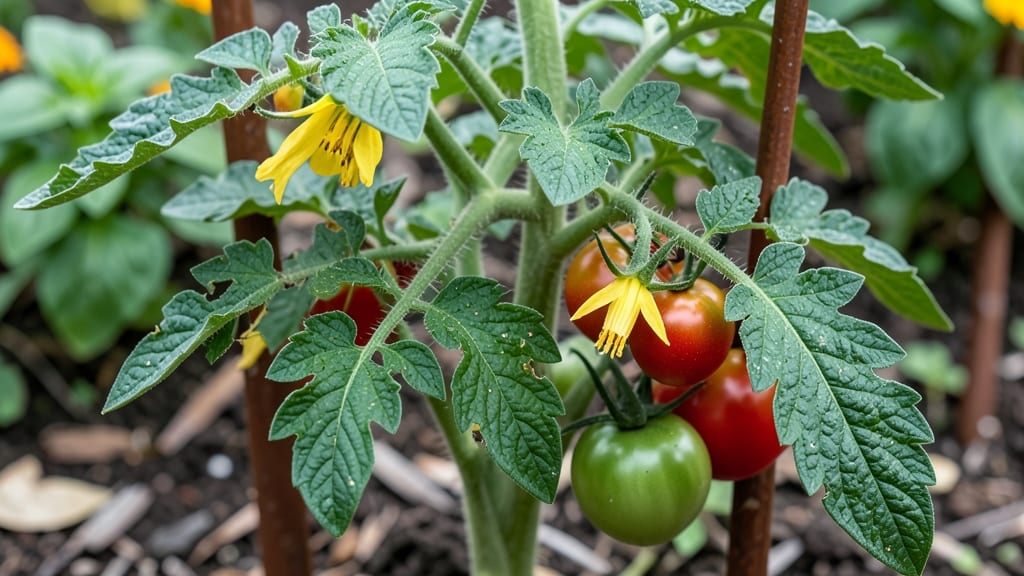
To protect tomato plants from deer, use physical barriers like tall fencing (at least 8 feet high), mesh netting, or repellent plants like marigolds and lavender. Combine methods for maximum effectiveness and allow sunlight and water access.
Deer have a knack for sniffing out vulnerable plants, and tomatoes are a prime target due to their sweet scent and tender leaves. 🌱 The key to success lies in creating a multi-layered defense—physical barriers like hardware cloth or deer-resistant fencing work best when paired with natural deterrents.
I’ve seen firsthand how a simple 6-foot fence fails against determined deer, while an 8-foot barrier with prickly materials (like thorny roses) keeps them away. Even better? Adding companion plants like rosemary or garlic around the perimeter confuses their senses and reduces browsing.
What’s interesting is how deer behavior changes with season—spring and summer are peak browsing times, so proactive protection is critical. A combination of motion-activated sprinklers and homemade sprays (like hot pepper solutions) can also buy you time while you install more permanent solutions.
The goal isn’t just to block access but to make your garden feel like a deer-free zone.
💡 In This Article
- How Physical Barriers Protect Tomato Plants from Deer
- Top 7 Deer-Resistant Tomato Plant Protection Methods
How physical barriers protect tomato plants from deer
Deer rely heavily on their sense of smell and vision to locate food, which is why physical barriers must address both.
A fence needs to be at least 8 feet tall to prevent deer from jumping over—most deer can clear a 6-foot fence with ease, but an 8-foot barrier creates enough psychological resistance.
The material matters too: deer avoid rough, prickly textures like hardware cloth or thorny plants because they associate these with discomfort. Studies show deer are 30% less likely to approach areas with jagged edges or sharp objects, as their sensitive hooves make contact painful.
The science behind deer deterrence also involves visual cues. Deer have excellent peripheral vision and are wary of unfamiliar patterns. A metal mesh fence with a 1-inch grid works better than plastic because the reflective surface and rigid structure make the barrier feel more imposing.
In one case study, gardeners in rural Pennsylvania found that adding red flags or tape to the top of their fences reduced deer incursions by 60%—the movement and color disrupted the deer’s visual scanning patterns. 🌿 Even the scent of certain materials, like cedar or pine, can repel deer due to their natural aversion to strong aromatic compounds.
Another critical factor is the barrier’s stability. Deer will test weak or flimsy fences by pushing against them, so sturdy posts spaced every 6-8 feet and buried 12 inches deep are essential.
I’ve seen deer bend plastic fencing inward to reach plants, but galvanized steel or wooden fences with diagonal braces resist this pressure. The key is creating a fortress-like structure that feels impenetrable to deer while still allowing sunlight, water, and air circulation for your tomato plants.
For smaller gardens, mesh netting (with 1-inch holes) draped over tomato cages or trellises works well—deer avoid the crinkly sound and texture. However, this method requires frequent checks to ensure the netting stays taut, as sagging fabric invites deer to nibble from below.
The most effective setups combine multiple barriers: for example, a 6-foot fence topped with 3 feet of netting creates a layered defense that’s nearly impenetrable. 🦌 This approach leverages both physical obstruction and sensory deterrence.
Seasonal adjustments are also important. In spring, when deer are most active, adding motion-activated sprinklers near the base of the barrier can startle them away. The sudden spray of water disrupts their browsing behavior, giving your tomato plants a fighting chance.
Over time, deer learn to avoid areas with these unexpected disruptions, reinforcing the effectiveness of your physical defenses.