
Plants
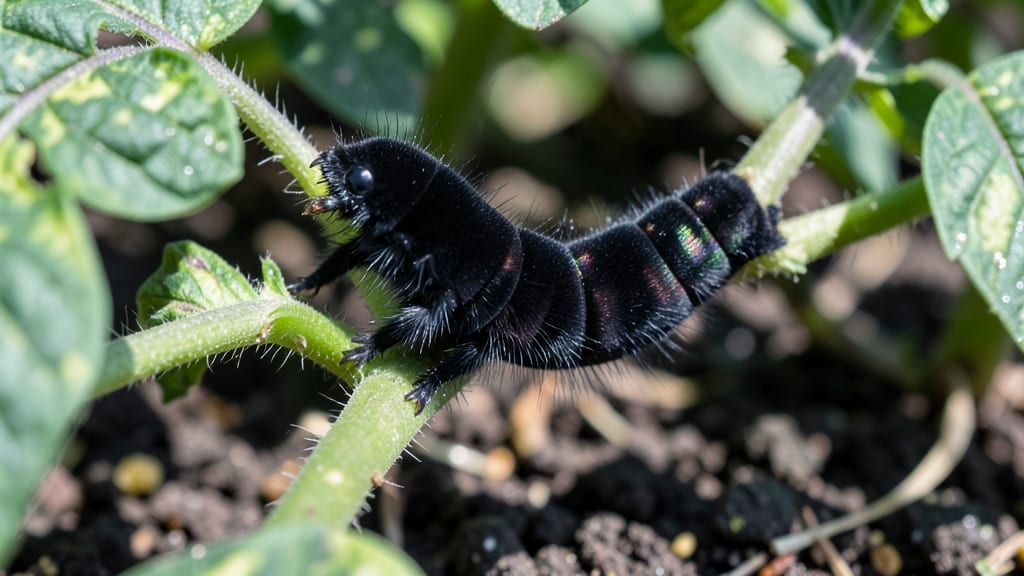
Cutworm damage on tomato plants turns a thriving vine into a sad, severed stump overnight. 🌱 I’ve watched my carefully nurtured seedlings collapse like toothpicks—until I learned these three organic rescue steps that stop the damage before it starts. The culprit?
Pale green caterpillars that hide in the soil during the day, chewing through stems at night. You’ll spot them by the clean, jagged cuts at the base of plants or the telltale frass (their poop) clinging to leaves. The good news?
You can outsmart them with simple, chemical-free fixes that work faster than you’d think. Within 24 hours of treatment, your plants will stop wilting, and new growth will push through stronger than before. The key is acting fast—once the damage spreads, even the hardiest tomatoes struggle to recover.
Here’s exactly how to save yours without harsh chemicals.
First, handpick the worms at dusk when they’re most active—just grab them with gloves and drop them in soapy water. Then, wrap stems with cardboard collars (3 inches tall) to block their access.
For larger gardens, row covers create a physical barrier that still lets sunlight and water through while keeping pests out. The real secret? Companion planting with strong-smelling herbs like basil or marigolds deters cutworms naturally.
I’ve seen entire tomato beds thrive just by adding these plants nearby—no extra work, just better protection. The best part? These methods work for peppers, eggplants, and even young seedlings too.
Prevention is easier than cleanup, so plan ahead for next season. Set out beer traps (bury a shallow dish of beer near plants—cutworms drown in it) or introduce beneficial nematodes to the soil.
With these steps, your tomatoes will grow tall and strong, free from the silent nighttime raids that once ruined my harvests. This isn’t just about saving plants—it’s about regaining control of your garden without chemicals. Once you’ve tried these methods, you’ll never fear cutworms again.
Let’s get those tomatoes back on track!
Why it happens
Cutworms may seem like sneaky little pests, but their destructive habits toward tomato plants are far from random. Understanding why they target your crops—and how they exploit your garden—is the first step to stopping them in their tracks.
These nocturnal caterpillars don’t just appear out of nowhere; they’re drawn by specific conditions that turn your garden into an all-you-can-eat buffet. Let’s break down the science (and the sneaky tactics) behind their behavior.
Cutworms are masters of stealth, emerging only after dark to feast on tender tomato stems, leaves, and even fruits. Their behavior isn’t just about avoiding predators—it’s a survival strategy tied to phototaxis, their innate response to light.
- Darkness = Dinner Time: These caterpillars lack the protective pigments found in many other insects, making them vulnerable to birds and beneficial insects during daylight. Once the sun sets, they slither out to munch on your plants, often leaving behind clean-cut stems (hence the name "cutworm").
- Moonlight & Artificial Lights: Surprisingly, even dim moonlight or porch lights can disrupt their natural feeding patterns. Studies show cutworms are less active on bright moonlit nights, but they’ll still target plants near light sources if they’re desperate enough.
- Tomato-Specific Appeal: Tomato plants emit volatile organic compounds (VOCs) when stressed or damaged. Cutworms have evolved to detect these chemical signals, making healthy (or even slightly damaged) tomato foliage a magnet for their hungry mouths.
💡 Pro Tip: If you’ve noticed sudden wilting or snapped stems in your tomato patch, check the soil surface at dusk with a flashlight (red light is less disruptive to their behavior). You might spot them in action—or at least their telltale frass (poop) trails!
Cutworms thrive in gardens that mimic their natural habitat: dark, damp, and densely planted. Their life cycle is tightly linked to soil moisture and organic matter, which is why they often strike in specific growing conditions.
| Factor | Why It Attracts Cutworms | How to Disrupt It |
|---|---|---|
| High Humidity | Moist soil retains heat longer, creating a cozy microclimate for cutworm eggs and larvae. Eggs hatch faster in warm, damp conditions. | Improve drainage with compost or sand; avoid overwatering at night. |
| Thick Mulch Layers | Organic mulch (like straw or grass clippings) provides both food and hiding spots for larvae. They burrow into mulch to avoid predators. | Use mineral mulch (gravel, slate) around tomato stems or keep mulch thin (1–2 inches). |
| Weedy or Unkempt Beds | Weeds and debris create microhabitats where cutworms can pupate undetected. They also host alternative food sources (like dandelion or grass roots). | Remove weeds regularly; rotate crops to break their life cycle. |
🔥 Key Insight: Cutworms prefer loose, aerated soil near the surface—this is where they pupate and where their eggs are laid. Compacted soil or bare ground (like in raised beds) can actually reduce their numbers.
Cutworms aren’t a year-round menace—they strike in predictable waves tied to their life cycle. Understanding these phases helps you predict and prevent outbreaks before they spiral.
- Egg Stage (Late Spring/Early Summer):
Female moths lay eggs in clumps of 50–100 on the underside of leaves or in soil crevices. Eggs hatch in 3–10 days, depending on temperature. Warm, humid nights trigger faster hatching.
- Larval Stage (Summer–Fall):
Newly hatched larvae drop to the soil and begin feeding immediately. They grow rapidly, molting 5–6 times before pupating. Second-generation cutworms (from late summer eggs) are often the most destructive because they coincide with tomato fruiting.
- Pupation & Overwintering:
Larvae pupate in the soil, emerging as moths the following spring. Some species overwinter as pupae, meaning they’re already waiting in your garden when you plant tomatoes in spring.
⏰ Seasonal Red Flags:
- If your tomatoes are suddenly wilting in July or August, it’s likely second-generation cutworms.
- Early spring wilting? Check for overwintered pupae hatching prematurely due to unseasonably warm soil.
🌡️ Temperature Trick: Cutworms are cold-blooded—they become sluggish below 50°F (10°C). Use this to your advantage: lightly frost-sensitive areas may see fewer cutworm issues in early spring.
Fixing Cutworm Damage Fast
Discovering cutworm damage on your tomato plants can feel like a setback—but don’t worry! With the right approach, you can reverse the damage and protect your plants naturally. Below, we’ve mapped out solutions based on the root cause, so you can act quickly and effectively.
Prevention tips are included to keep your garden cutworm-free for the long haul.
If you’ve already spotted chewed stems, ragged leaves, or missing seedlings, act fast to minimize further harm.
🐛 Handpick & Remove Cutworms
- When: Early morning or evening (when cutworms are sluggish).
- How: Gently lift mulch, leaves, or soil around the base of plants. Look for grayish or green caterpillars (1–2 inches long) hiding near the stem. Drop them into soapy water to kill them instantly.
- Pro Tip: 💡 Check under tomato plants, along garden edges, and under boards or debris where cutworms hide.
🍳 DIY Collar Barrier (Best for Seedlings)
- Materials: Cardboard tubes, aluminum foil, or plastic collars (3–4 inches tall).
- How:
- Cut tubes/collars to fit snugly around each seedling stem.
- Bury the bottom 1 inch into the soil to block cutworms from climbing.
- Remove collars once plants are established (about 2–3 weeks old).
- Why It Works: Cutworms can’t chew through these barriers, giving seedlings a fighting chance.
🌙 Use Light Traps (For Heavy Infestations)
- How: Place a white sheet or tray near plants and shine a flashlight on it at night. Cutworms will crawl toward the light—collect and dispose of them in the morning.
- Best For: Large gardens or repeated outbreaks.
Once you’ve addressed the immediate threat, take steps to keep cutworms away for good.
👨🍳 Plant Smart: Natural Deterrents
Cutworms dislike certain plants and scents. Interplant tomatoes with:
- Marigolds (repel pests with their strong scent).
- Basil or Dill (mask tomato odors that attract cutworms).
- Onions or Garlic (their pungent aroma deters larvae).
🌡️ Mulch Strategically (But Avoid Thick Layers)
- Do Use: Straw or grass clippings (thin layer, 1–2 inches) to deter cutworms from hiding.
- Avoid: Heavy mulch (like wood chips), which provides hiding spots for larvae.
- Pro Tip: 🔥 Refresh mulch mid-season to disrupt cutworm habitats.
🎯 Beneficial Nematodes & Bacillus Thuringiensis (BT)
- Nematodes (Steinernema carpocapsae): Microscopic worms that paralyze and kill cutworms without harming plants. Apply to soil in the evening.
- BT (Bacillus thuringiensis var. kurstaki): A natural bacteria that targets caterpillars. Mix with water and spray on leaves (reapply after rain).
- When to Apply: Early evening for best results.
⏰ Rotate Plantings & Clean Up
- Crop Rotation: Avoid planting tomatoes or nightshades (peppers, eggplants) in the same spot yearly.
- Fall Cleanup: Remove garden debris, old plants, and mulch in autumn to eliminate cutworm hiding spots.
If your tomato plants are already struggling, try these recovery tips:
- Prune Damaged Leaves: Trim chewed foliage to redirect energy to new growth.
- Water Deeply: Helps stressed plants recover faster (1 inch per week).
- Fertilize Lightly: Use compost tea or a balanced organic fertilizer (like 5-5-5) to boost resilience.
With these targeted solutions, your tomato plants can bounce back from cutworm damage—and stay protected in the future. The key is acting fast and combining immediate fixes with long-term prevention. Happy gardening! 🍅🌿
Frequently asked questions
How can I tell if my tomato plants have cutworm damage?
Look for clean, jagged cuts at the base of stems where plants suddenly wilt and collapse. You might also spot grayish-green caterpillars (1-2 inches long) hiding in soil or mulch during dusk. Check for frass (black poop) on leaves or stems too—this is a dead giveaway!
Can I use beer traps to catch cutworms?
Yes! Bury a shallow dish filled with beer near your tomato plants. Cutworms are attracted to the yeast and will drown in it. Replace the beer every few days, especially after rain. This works best in small gardens or as a supplemental method alongside other controls.
Will chicken wire work as a barrier against cutworms?
Bend 1-inch hardware cloth or chicken wire into a collar and bury it 1-2 inches deep around each plant. Cutworms can't chew through metal, and it lasts all season. This is especially effective for seedlings or high-value tomato varieties where you want maximum protection.
How long do I need to keep protective collars on my tomato plants?
Remove collars once your tomato plants are 3-4 weeks old and have developed a sturdy stem (about 1/4-inch thick). At this stage, they're less vulnerable to cutworm attacks. For container-grown tomatoes, you may need to keep collars until plants are 6 inches tall for extra security.
Are there any chemical-free sprays that work against cutworms?
Yes! Bacillus thuringiensis var. kurstaki (BT) is a natural bacteria that targets caterpillars. Mix with water and spray on leaves in the early evening when cutworms are most active. Reapply after rain. For extra protection, combine with neem oil (which also deters egg-laying moths).