
Planting
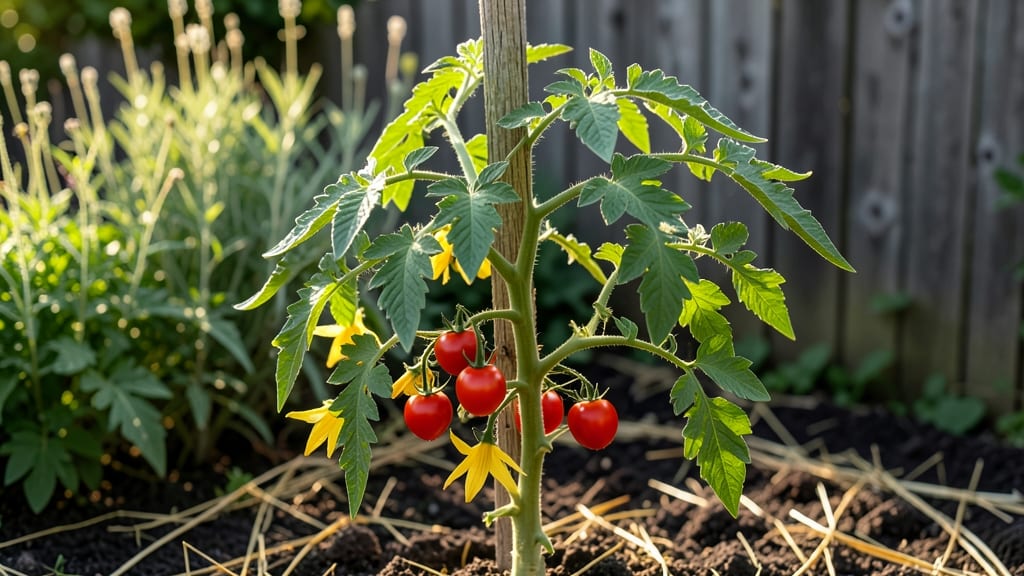
Training cordon tomato plants transforms your garden into a vertical feast. 🌱 These single-stem wonders grow taller than most fences, producing pounds of fruit on a sturdy main stem—if you give them the right support and care.
My first cordon plant last summer climbed 10 feet and kept bearing tomatoes until frost, proving that vertical growing isn't just efficient—it's a game-changer for small spaces.
The secret lies in proper trellising and pruning—no complex techniques, just consistent habits. You'll need strong stakes or a tomato cage (at least 6 feet tall), soft ties, and a sharp pair of pruners.
The goal is to guide that main stem upward while removing side suckers, which lets the plant focus its energy on fruit production rather than bushy growth. Most gardeners skip this step and end up with tangled vines and fewer tomatoes.
By mid-summer, you'll be harvesting pound after pound of ripe tomatoes, all within arm's reach. The plants stay cleaner, diseases spread slower, and you avoid the back-breaking work of staking sprawling bushes.
Even in cooler zones (like mine in Zone 5), cordon tomatoes thrive with the right training—producing fruit weeks longer than their bushy cousins.
This method works equally well in containers or in-ground beds, making it perfect for balconies, patios, or tight garden corners. The key is starting early—plant after your last frost date—and staying consistent with watering and pruning. Ready to turn your garden into a tomato tower? Let's get those plants climbing!
📚 In This Guide
- What you need
- Instructions
- Tips and common mistakes
- Wrapping up and next steps
What you need
- ● Cordon tomato plants: 2–4 plants (choose varieties like 'Sungold,' 'Beefsteak,' or 'Roma' for high yields).
- ○ Trellis or stakes: 6–8 ft tall (bamboo, metal, or wooden). Optional: Twine or soft plant ties (3–4 ft per plant).
- ● Potting mix or garden soil: Well-draining, rich in compost (avoid fresh manure).
- ● Fertilizer: Balanced (10-10-10) or tomato-specific (high in phosphorus). Pro tip: Mix in 1 cup of bone meal per plant at planting!
- ● Pruning shears: Sharp, sterilized (for trimming suckers).
- ● Watering can or hose: With a gentle spray nozzle (deep watering = happy roots!).
- ● Mulch: Straw or shredded leaves (2–3 inches) to retain moisture.
- ● USDA Zone: 3–10 (adjust planting time for cooler zones—wait until after last frost!).
- ● Sunlight: Full sun (6–8+ hours daily). Partial shade? Choose heat-tolerant varieties like 'Heatmaster.'
- ● Spacing: 18–24 inches between plants (for airflow and training ease).
- ● Support setup: Install trellises/stakes before planting to avoid root disturbance.
- ● Garden gloves (for prickly stems!).
- ● Plant cages (if trellises aren’t an option).
- ● Shade cloth (for scorching zones—30% coverage).
- ● pH test kit (ideal soil pH: 6.0–6.8).
Step-by-step instructions for training cordon tomato plants
Here’s the method I’ve used for years to coax massive yields from cordon tomatoes—works in any USDA zone.
🌱 Step 1: Select and Prepare Your Plant
Start with a healthy cordon tomato plant—look for strong stems and vibrant leaves. I always choose indeterminate varieties like ‘Sungold’ or ‘Brandywine’ because they grow continuously until frost. Remove any suckers (side shoots) that form in the first few weeks—they’ll steal energy from your main stem.
Position your plant in a sturdy 5-6 foot tall stake or trellis right away. Drive the stake 6 inches deep into the soil next to the main stem, then loosely tie the plant to it with soft garden twine. Use a figure-eight pattern to avoid cutting into the stem as it grows. The goal is to keep the plant upright without restricting airflow.
☀️ Step 2: Train the Main Stem Weekly
Every 7-10 days, check your plant’s growth. Cordon tomatoes grow vertically, so you’ll need to guide the main stem upward. Gently wrap the twine around the stem once, securing it to the stake just below the newest leaves. This keeps the plant stable while allowing it to climb naturally.
Here’s the thing—don’t let the plant sprawl. If you see a side shoot (sucker) larger than 1 inch, pinch it off immediately. Suckers divert energy away from fruit production, and you’ll end up with fewer, smaller tomatoes. I use my thumb and forefinger to snap them cleanly at the base.
💧 Step 3: Prune for Airflow and Fruit Load
Once your plant reaches the top of the stake, stop tying it up. Let the stem grow freely—this is where the magic happens. However, you’ll still need to prune. Remove any leaves that grow below the first flower cluster to improve airflow and reduce disease risk. You’ll also want to trim leaves that shade the fruit once it starts forming.
Watch for flower clusters forming along the main stem. These appear as small buds in the leaf axils. Once they open, they’ll develop into tomatoes. I leave the first few clusters alone, but after the third or fourth cluster, I remove every other leaf to let sunlight reach the developing fruit. This ensures even ripening and prevents sunscald.
✂️ Step 4: Harvest and Maintain Through the Season
Start harvesting when tomatoes reach full color and give slightly when gently squeezed. I pick mine every 2-3 days to encourage more fruit production. Use pruning shears or your fingers to avoid damaging the stem. Cut the stem just above the fruit to prevent disease from entering the plant.
Keep an eye out for pests like hornworms or aphids. I inspect my plants weekly, especially the undersides of leaves. If you spot trouble, treat with neem oil or insecticidal soap immediately. Also, fertilize lightly every 3-4 weeks with a balanced tomato fertilizer to keep the plant producing until frost. In cooler zones, you might even get a second flush of flowers and fruit in late summer!
⏰ Step 5: Prepare for Winter (Zones 3-7)
In colder climates, your cordon tomato won’t survive winter, but you can extend its life. Once temperatures drop below 50°F at night, stop harvesting and let the plant mature any remaining fruit. Cut the plant back to 6 inches tall, leaving a few strong stems, and mulch heavily around the base.
If you’re in Zone 8 or warmer, your plant might keep producing until frost. In that case, keep pruning and harvesting as usual. Just be prepared to protect it from unexpected cold snaps with row covers or a small hoop house. Either way, save seeds from your best tomatoes for next year’s garden!
Tips & tricks for growing cordon tomatoes
Common pitfalls—and how to sidestep every one—when training cordon tomatoes for maximum yields.
Stake Placement Matters: The 5-6 foot stake should go in at a slight angle (about 15 degrees) away from the prevailing wind. This prevents the stake from toppling when the plant gets heavy with fruit. I learned this the hard way after watching a perfectly trained plant topple over mid-season. Also, bury the stake at least 6 inches deep—shallow stakes wobble and can damage roots when the plant sways.
Twine Technique That Saves Your Back: Don't use regular twine—it digs into the stem as the plant grows. Instead, opt for soft garden twine or even an old T-shirt cut into strips. The figure-eight method in Step 1 is key: it distributes pressure evenly and prevents the twine from cutting into the stem. I've seen gardeners struggle with this, so I recommend practicing the knot on a spare piece of twine first.
Pruning for Maximum Production: After the third or fourth flower cluster, remove every other leaf to let sunlight reach the developing fruit. This isn't just about sunlight—it's also about airflow. Poor airflow leads to fungal diseases like blight. I start pruning leaves below the first cluster immediately, but wait until after the third cluster before going aggressive with upper leaves. This balance ensures strong early growth while maximizing fruit exposure later.
Harvesting Hack: Those 2-3 day harvest intervals might seem frequent, but they're crucial. Regular picking encourages the plant to produce more flowers and fruit. I use a small pair of pruning shears for larger tomatoes and my fingers for smaller ones. Always cut just above the fruit to prevent disease from entering the stem. And here's a pro move: harvest in the morning when tomatoes are coolest and firmest.
Pro Tips for Cordon Tomato Plant
- Common pitfalls—and how to sidestep every one—when training cordon tomatoes for maximum yields.
- Stake Placement Matters: The 5-6 foot stake should go in at a slight angle (about 15 degrees) away from the prevailing wind.
- Twine Technique That Saves Your Back: Don't use regular twine—it digs into the stem as the plant grows.
Frequently asked questions
What’s the difference between cordon and bush tomatoes?
Cordon tomatoes grow vertically on a single main stem, requiring staking or trellising. Bush (determinate) varieties spread outward and stop growing after flowering. Cordon types yield fewer but larger fruits over a longer season—perfect for heavy harvests!
When should I start pruning my cordon tomato plant?
Begin pruning when the plant is about 12–18 inches tall and has 3–4 sets of leaves. Remove suckers (side shoots) regularly during the growing season (every 1–2 weeks) to encourage upward growth. Stop pruning 4–6 weeks before your first frost to let energy focus on ripening fruit.
Can I train a cordon tomato without a cage or stake?
Yes! Use a tall bamboo stake, wooden post, or even a sturdy wire trellis tied with soft plant ties or old T-shirts. Avoid plastic ties—they can damage the stem as it thickens. For small spaces, a tomato tower (DIY or store-bought) works great too!
Why are my cordon tomato leaves yellowing or curling?
Yellowing leaves often signal overwatering, nutrient deficiency (like nitrogen), or pests (e.g., aphids or spider mites). Check soil moisture—tomatoes prefer consistent dampness, not sogginess. Curling leaves may also mean heat stress or blossom end rot (calcium deficiency). Adjust care and monitor for pests!
How do I know when to harvest cordon tomatoes?
Harvest when tomatoes are fully colored (red, yellow, etc.) and slightly soft to the touch. For heirlooms, wait until they’re deeply colored and fragrant. Pick regularly to encourage more production! Never let them stay on the vine too long—they’ll overripen and attract pests.
Wrapping up and next steps
Mastering the art of cordon tomato training is your ticket to a bountiful, USDA-zone-friendly harvest! With the right tools, patience, and techniques—like proper pruning and staking—you’ll transform your garden into a thriving tomato powerhouse. 🌱✨
Ready to grow like a pro? Start by applying these methods to your next planting season, and don’t forget to share your progress with fellow gardeners. Happy growing—and may your tomatoes be plentiful! 🍅💚