
Vegetables
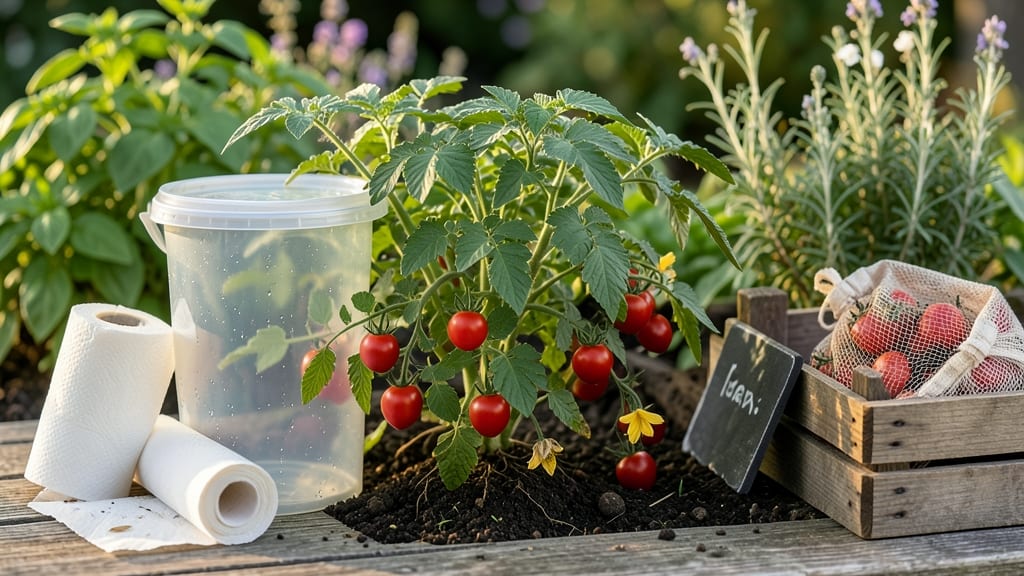
Storing cherry tomato storage the right way means no more sad, mealy fruit by next week. 🌱 I’ve lost count of how many perfect tomatoes I’ve watched turn mushy in just days—until I discovered these simple tricks that keep them crisp and sweet for weeks.
The secret isn’t complicated: room temperature works best for short-term storage, while the fridge extends shelf life dramatically (but watch for texture changes). Humidity and airflow matter just as much as temperature—too much moisture speeds up rot, while proper ventilation keeps them fresh.
You’ll end up with tomatoes that stay firm, flavorful, and ready for salads, snacks, or cooking whenever you need them. No more rushing to use them before they spoil, and no more wasted harvests. For longer storage, try drying or freezing—both preserve that sweet, tangy flavor for months.
Here’s exactly how to do it right.
📚 In This Guide
- What you need
- Instructions
- Tips and common mistakes
- Wrapping up and next steps
What you need
- ● Cherry tomatoes: Fresh, unwashed (preferably vine-ripened for best results). Quantity: Any amount—adjust storage based on your needs!
- ● Paper towels or clean kitchen towel: 1-2 sheets (to absorb excess moisture).
- ● Air-tight container: A single-layer container (like a glass or plastic storage box with a lid) or a resealable plastic bag with ventilation holes.
- ○ Optional ventilation: A paper bag (breathable) or a mesh produce bag (if using a sealed container).
- ● Sharp knife or scissors: For trimming stems (if needed).
- ● Small bowl or plate: For sorting tomatoes before storage.
- ● Humidity-controlled storage: A refrigerator crisper drawer (set to high humidity) or a cool pantry (55–65°F / 13–18°C).
- ● Food-safe labels: To mark storage dates (if keeping for >1 week).
How to store cherry tomatoes for maximum freshness
Here’s the simple method I use to keep cherry tomatoes crisp and flavorful for weeks.
🌿 Step 1: Choose the Right Tomatoes for Storage
Pick tomatoes that are fully ripe but still firm to the touch—avoid any with soft spots or bruises. These will spoil fastest. I also separate them by ripeness: store slightly underripe ones at room temperature to finish ripening, while fully ripe ones go straight into storage.
Wash only what you plan to eat immediately. Moisture speeds up mold growth, so damp tomatoes won’t last as long. Pat dry gently with a clean towel if needed, but don’t rub—you’ll bruise the skin and shorten shelf life.
🪴 Step 2: Prepare for Storage with Proper Airflow
Place tomatoes in a single layer inside a breathable container—like a wooden crate, mesh produce bag, or even a paper towel-lined cardboard box. Crowding traps ethylene gas, which speeds up spoilage. I avoid plastic bags unless they’re perforated, as trapped moisture causes rot within days.
If storing in the fridge, use a ventilated container or place them on a shelf rather than in sealed plastic. Cold air circulates better when tomatoes aren’t packed tightly. For room-temperature storage, keep them away from direct sunlight or heat sources like ovens.
☀️ Step 3: Store Based on Ripeness and Temperature
For room-temperature storage, leave fully ripe tomatoes on the counter for up to 3-5 days. They’ll stay fresh longer if kept in a cool, dark spot like a pantry. I’ve found that a wooden fruit crate on the kitchen counter works best—it’s open enough for airflow but shielded from heat.
For longer storage, refrigerate unwashed tomatoes in a paper towel-lined container for 1-2 weeks. Cold slows ripening, but watch for condensation—dampness causes mold. If you notice any tomatoes softening, remove them immediately to prevent spoilage from spreading.
⏰ Step 4: Check and Rotate Weekly
Every 3-4 days, inspect stored tomatoes and remove any that show signs of spoilage—soft spots, wrinkling, or mold. A single bad tomato can ruin the batch in 24 hours. I like to rotate them so all sides get equal airflow, preventing uneven ripening or rot.
If storing for more than a week, consider freezing excess tomatoes. Wash, dry, and blanch them for 30 seconds before freezing in a single layer on a tray. Once frozen solid, transfer to a sealed bag—this preserves texture and flavor for months.
💧 Step 5: Revive Stale Tomatoes (If Needed)
If tomatoes lose some crispness but aren’t moldy, place them in a paper bag with a banana or apple for 12-24 hours. The ethylene gas from the fruit will help restore firmness. Avoid sealing the bag completely—just fold the top loosely to allow airflow.
For tomatoes that are still firm but taste bland, a quick soak in ice water for 10 minutes can revive their flavor. Drain well before storing again. This trick works best for tomatoes that have been refrigerated too long.
Tips & tricks for perfect cherry tomato preservation
Here's what I've learned after keeping tomatoes fresh for years—these little tricks make all the difference.
The Ripeness Separation Trick: When you separate slightly underripe tomatoes from fully ripe ones in Step 1, the underripe ones will finish ripening at room temperature in about 24 hours. This prevents over-ripening while keeping the fully ripe ones fresh. I've found that storing them in a paper bag with an apple speeds this up—just don't seal it completely! The ethylene gas from the apple helps, but trapped moisture causes rot.
Container Material Matters: In Step 2, avoid plastic containers at all costs—even perforated ones. The condensation from cold air creates a humid environment that promotes mold growth within days. Wooden crates or mesh bags work best because they allow airflow while protecting from direct sunlight. For fridge storage, I use a simple paper towel-lined cardboard box with holes poked in the sides for ventilation.
Temperature Timing: The 3-5 day room-temperature window in Step 3 is perfect for fully ripe tomatoes, but if you notice any softening before that, move them to the fridge immediately. Cold slows down the ripening process, but don't refrigerate them all at once—wait until they're fully ripe. I've ruined batches by putting ripe tomatoes in the fridge too soon; they lose flavor and texture within 48 hours.
Freezing Secret: When freezing tomatoes in Step 4, don't skip the blanching step! The 30-second blanch preserves their texture and prevents them from turning mushy when thawed. Spread them in a single layer on a tray first so they freeze individually—this makes it easy to portion out just what you need later. Once frozen solid, transfer to a sealed bag and they'll keep for months without losing flavor.
Pro Tips for Cherry Tomato Storage
- Here's what I've learned after keeping tomatoes fresh for years—these little tricks make all the difference.
- The Ripeness Separation Trick: When you separate slightly underripe tomatoes from fully ripe ones in Step 1, the unde...
- Container Material Matters: In Step 2, avoid plastic containers at all costs—even perforated ones. The condensation f...
Frequently asked questions
Got questions about storing cherry tomatoes like a pro?
You’re in the right place! Here are the most common queries—and their simple, spoilage-free solutions.
How long can cherry tomatoes stay fresh in the fridge?
With proper storage (a paper towel-lined container in the crisper drawer), cherry tomatoes last 5–7 days at their peak. Beyond that, they’ll soften or develop mealy texture. For longer shelf life, opt for room-temperature storage (up to 3–5 days) or freezing (see below!).
Can I freeze cherry tomatoes for later use?
Freezing preserves flavor and texture for 6–12 months. Wash, dry, and blanch them (dip in boiling water for 30 seconds, then ice bath) before freezing in a single layer on a tray. Once solid, transfer to airtight bags or containers. Pro tip: Skip thawing—toss frozen tomatoes directly into soups, sauces, or smoothies!
Why do my cherry tomatoes turn mushy in storage?
Mushiness usually means excess moisture or ethylene gas buildup (a natural ripening agent). Store them in a ventilated container (like a breathable mesh bag or paper towel-lined box) and keep them away from apples/bananas, which release ethylene. If already soft, salvage them by blending into salsa or sauces!
What’s the best way to store cherry tomatoes at room temperature?
For 3–5 days of freshness, place them in a single-layer arrangement on a countertop or in a paper bag with small holes (to allow airflow). Avoid plastic bags—they trap humidity and speed up spoilage. Bonus: Stems-on tomatoes last slightly longer than stemmed ones!
Can I store cherry tomatoes with other veggies?
Yes, but with caution! Store them separately from ethylene-producing veggies like potatoes, onions, or leafy greens. For mixed containers, use dividers or store tomatoes in a sealed container with a paper towel to absorb moisture. Best companions? Bell peppers, cucumbers, or carrots (low-ethylene produce).
Quick Troubleshooting Table
| Issue | Likely Cause | Fix |
|---|---|---|
| Shriveled tomatoes | Low humidity | Store in a sealed container with a damp paper towel |
| Moldy spots | Excess moisture | Discard affected tomatoes; store remaining in a dry, ventilated space |
| Loss of flavor | Over-ripening or cold storage | Use within 3–4 days of purchase; avoid refrigerating until needed |
Wrapping up and next steps
Mastering the art of cherry tomato storage is a game-changer—whether you’re a home gardener or a kitchen enthusiast. With the right techniques, you can enjoy their sweet, juicy flavor for weeks without waste. From simple fridge tricks to creative preservation methods, these tips ensure your tomatoes stay vibrant and delicious.
Now that you’re armed with the knowledge, take action! Try one of these storage methods today and savor the freshness. Share your favorite trick with friends or experiment with recipes—your taste buds (and wallet) will thank you! 🌱🍅