
How To
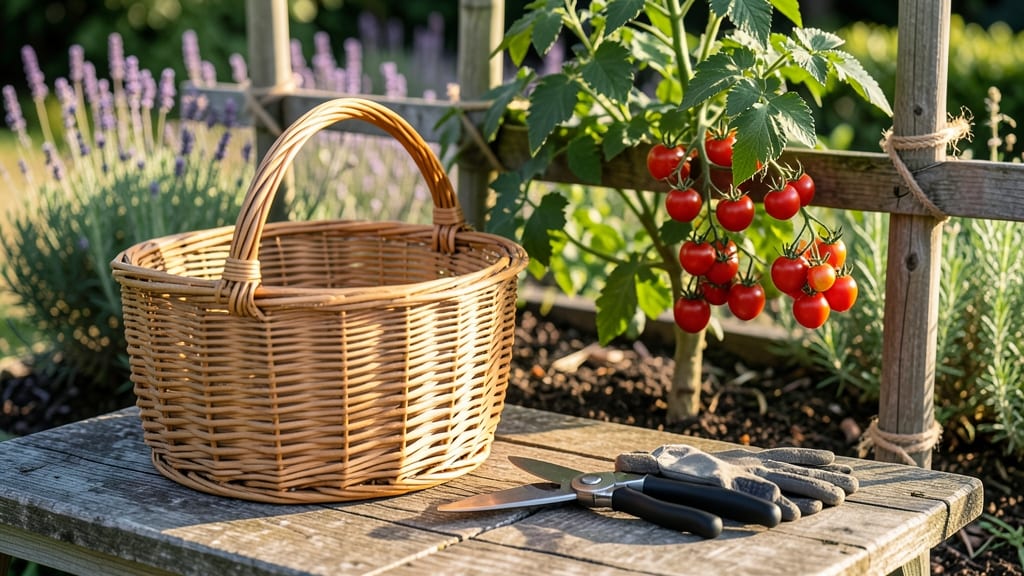
Timing your cherry tomato 🍅 harvest right means the difference between sweet, juicy fruit and mealy, flavorless ones that fall off at the slightest touch.
Picture this: you’ve nurtured your plants all season, and now the moment of truth arrives. But how do you know when those tiny red orbs are truly ready? One wrong move, and you could miss the peak flavor window by days—or even weeks.
In this guide, I’ll break down the exact signs to watch for, from color and size to the telltale give when you gently squeeze a tomato. You’ll also learn how climate, variety, and even your local frost dates can shift that perfect harvest time.
By the end, you’ll confidently pick your cherry tomatoes at their sweetest—just in time for salsas, salads, or snacking straight from the vine.


How to determine cherry tomato harvest time by variety and color
Knowing exactly when to harvest your cherry tomatoes transforms a good crop into a spectacular one. Each variety has its own peak ripeness window, and missing it by even a few days can mean softer fruit, duller flavors, or—worst of all—missed harvests entirely.
The key lies in understanding color cues, size benchmarks, and how your local climate zone shifts those timelines.
For example, Sweet 100 tomatoes—one of the most popular varieties—typically ripen 55-65 days after transplanting, while Sun Gold (a golden heirloom) may take 60-70 days. Meanwhile, Black Cherry varieties often mature slightly later, around 65-75 days.
But these numbers are just starting points; temperature fluctuations, soil moisture, and even sunlight intensity can push your harvest window earlier or later by weeks.
Here’s the golden rule for cherry tomato ripeness: look for three key indicators—color intensity, stem separation, and fruit firmness—before you pick. Ignore any one of these, and you risk harvesting too early (tart, underripe) or too late (mealy, overripe).
Let’s break it down by variety, so you can pinpoint the perfect moment for your plants.
Let’s start with Sweet 100, the variety that dominates home gardens. When these red cherry tomatoes reach their peak ripeness, they’ll be a vibrant, uniform red with no green shoulders.
Their size should hover around 1-1.5 inches in diameter, and the stem should separate cleanly when you gently twist or pull. If the stem resists or the fruit feels rock-hard, it’s not ready—wait another 2-3 days.
For Sun Gold tomatoes, the color transformation is your best clue. These golden heirlooms start pale green and gradually deepen to a rich, buttery yellow-orange. At harvest time, they’ll be fully colored with a slight softness when pressed (like a ripe peach).
A pro tip: Sun Golds often ripen unevenly on the vine, so check clusters every 2-3 days during peak season to avoid missing the window.
Black Cherry tomatoes throw gardeners a curveball with their dark purple-black skin, which can look ripe even when underdeveloped. The true test is fruit firmness and stem separation. A ripe Black Cherry should feel plump but yield slightly when gently squeezed—like a ripe grape. If the stem doesn’t pull away easily, the tomato isn’t ready. These varieties also thrive in cooler climates, so in USDA Zone 5 or below, expect harvests to stretch later into September.
Climate plays a huge role in cherry tomato harvest timing. In hot, dry regions (like Arizona or Southern California), tomatoes often ripen 2-3 weeks faster due to intense sunlight and heat.
Meanwhile, in cooler coastal areas (like Oregon or Northern California), ripening can drag out by 10-14 days. Even within the same zone,
Common mistakes that ruin cherry tomato harvest time (and how to avoid them)
Even experienced gardeners often miss the perfect cherry tomato harvest window due to overlooked details. A 3-week harvest period can shrink to just 10 days if you ignore subtle signs of stress or ripeness.
The key? Recognizing temperature stress, overcrowding, and misjudging ripeness—all of which can turn a bountiful yield into a disappointing one.
One of the biggest pitfalls is confusing overripe with underripe tomatoes. Overripe fruit loses flavor and attracts pests, while underripe tomatoes never reach their full sweetness.
I’ve seen gardeners harvest green-backed cherry tomatoes (where the stem side stays green) because they assumed they needed more time—only to realize they were already past prime.
Another critical mistake is ignoring temperature fluctuations. Cherry tomatoes thrive between 70°F and 85°F during the day. When temperatures dip below 55°F or spike above 90°F, fruit production slows or stops entirely.
I once had a Sun Gold variety that stopped ripening during a heatwave, leaving me with a harvest that lasted only 5 days instead of the expected 3 weeks.
⚠️ Warning: These 3 Mistakes Cut Harvest Time in Half
- Overcrowding plants reduces airflow, leading to blossom end rot and stunted fruit.
- Harvesting too late (waiting for full red when yellow varieties peak earlier) ruins flavor.
- Inconsistent watering causes uneven ripening and cracked fruit.
Fix these issues by pruning suckers, picking at peak ripeness, and watering deeply in the morning.
Overcrowding is another silent harvest killer. When plants compete for sunlight and nutrients, they produce smaller fruit and fewer tomatoes. I once had Sweet 100 cherry tomatoes growing in a 2-foot-square plot—by mid-summer, the plants were so dense I could barely reach the center fruit.
The result? A harvest that lasted only 2 weeks instead of the full 4 weeks I’d planned.
Even the color of your tomatoes can be misleading. For example, Black Cherry tomatoes ripen to a deep purple-black, but if you wait too long, they turn mealy. Meanwhile, Sun Gold varieties peak at a golden hue—harvesting them when they’re still pale yellow means missing their sweetest flavor.
Always check for stem separation (the fruit should pull away easily from the vine).
To extend your harvest, focus on consistent care. Prune suckers and lower leaves to improve airflow, water deeply at the base (never overhead), and fertilize with a balanced 10-10-10 mix every 4-6 weeks.
These small adjustments can add 2-3 weeks to your harvest season—turning a short window into a prolonged feast.