
Vegetables
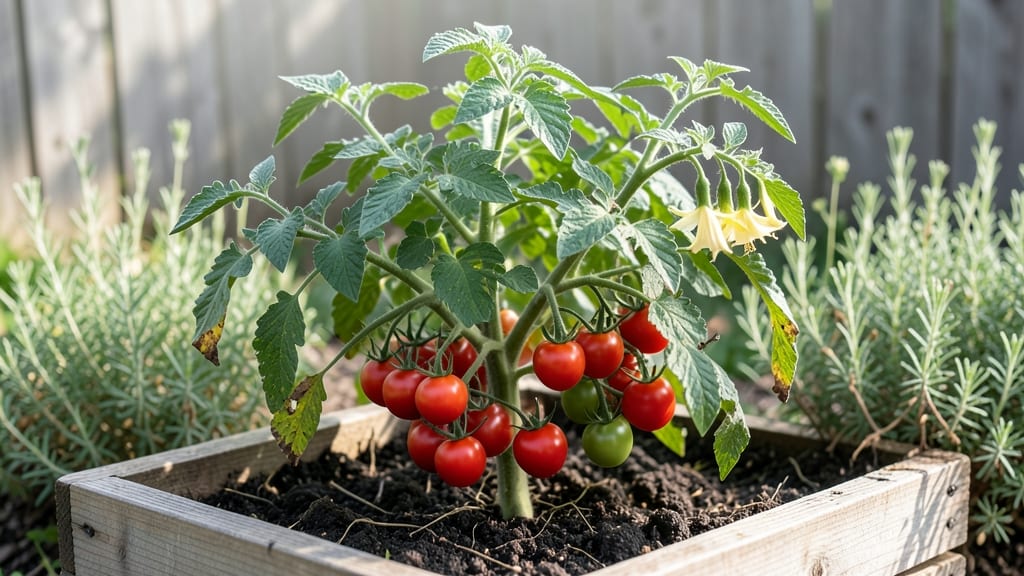
Your cherry tomatoes won't just turn red—they'll explode in colors from deep purple to golden yellow. 🌈 The shade depends on the variety, sunlight exposure, and ripening stage, and understanding these factors means you'll harvest tomatoes that match exactly what you want.
Sunlight is the biggest game-changer. Too little, and your tomatoes stay green or pale; too much, and they can bleach out or develop uneven color. Varieties like 'Sun Gold' naturally turn golden, while 'Black Cherry' deepens to near-black. Even red tomatoes change hue based on how much sun they get.
You'll know they're at peak color when the fruit feels firm and the color is consistent all over. Harvesting at this stage means sweeter flavor and better storage life. If your tomatoes stay green, check for temperature swings or insufficient sunlight—those are the usual culprits.
This works for all cherry tomato varieties, whether you're growing in containers or garden beds. Let's get those plants producing the colors you love!
📚 In This Guide
- What you need
- Instructions
- Tips and common mistakes
- Wrapping up and next steps
What you need
- ● Cherry tomato seeds or seedlings: Choose colorful varieties like 'Black Cherry,' 'Sun Gold,' 'Green Grape,' or 'Purple Cherry' for a rainbow effect! 🌈
- ● Quantity: 3–6 plants per person (or 1 plant per 2–3 ft of space in containers).
- ● Growing containers or garden bed: Containers: 5–10 gallon pots (with drainage holes) for each plant.
- ● Garden bed: Well-draining soil, 6–12 inches deep, in full sun (6+ hours/day).
- ● High-quality potting mix: 1–2 bags of organic, well-aerated mix (avoid garden soil—it compacts!).
- ○ Optional boost: Add 1–2 cups of compost or worm castings per pot.
- ● Fertilizer: Balanced 10-10-10 or 5-10-10 fertilizer for seedlings.
- ● Switch to low-nitrogen, high-phosphorus (e.g., 0-10-10) when flowers appear.
- ● Watering can or hose with gentle spray nozzle: Keep soil consistently moist (not soggy!).
- ● Stakes or cages: 4–6 ft tall for support (cherry tomatoes get heavy!).
- ● Pruning shears: For trimming suckers and dead leaves.
- ● Mulch: Straw or shredded leaves to retain moisture and suppress weeds.
- ● Drip irrigation system: For automated, even watering.
- ● Epsom salt: 1 tbsp dissolved in water monthly for magnesium (boosts color and flavor!).
- ● Row covers: Lightweight fabric to protect seedlings from pests or cold snaps.
- ● Colorful labels: To track varieties and training progress!
How to grow cherry tomatoes with vibrant, colorful blooms
Here's how to coax those stunning, multicolored flowers from your cherry tomatoes—it's all about the right conditions and a little extra care.
🌱 Step 1: Choose the Right Varieties for Colorful Blooms
Start with heirloom or hybrid varieties known for their vibrant blooms, like 'Sungold', 'Black Cherry', or 'Golden Sweet'. These produce flowers in shades of yellow, orange, red, and even purple. I always check seed packets for descriptions like "multicolored blooms" or "showy flowers"—that's your first clue you're on the right track.
If you're buying transplants, look for ones with multiple flower clusters already forming. Avoid small, leggy plants with only a few tiny buds—those won't deliver the dramatic color displays. Healthy plants will have sturdy stems and leaves that are deep green, not yellowing or spotted.
☀️ Step 2: Provide Full Sun and Consistent Warmth
Cherry tomatoes need 6-8 hours of direct sunlight daily for their blooms to develop vibrant colors. Place them in the sunniest spot in your garden, even if it means moving them from a partially shaded area. I've seen blooms fade to pale yellow when plants get only 4 hours of sun—it's a sure sign they're not getting enough light.
Keep soil temperatures above 60°F for best flowering. Use black plastic mulch or row covers in early spring to warm the soil faster. Watch for flowers that don't open properly or drop off—this often means the plants are too cold. If nights dip below 55°F, consider moving containers to a sheltered spot or using a cloche.
💧 Step 3: Water Deeply and Maintain Even Moisture
Water at the base of the plant in the morning to keep soil consistently moist but not soggy. I water until 6 inches of soil feels damp—check by sticking your finger in about 2 inches deep. Uneven moisture causes blossom-end rot or weak stems that can't support colorful flowers.
Drip irrigation works best because it delivers water directly to the roots without wetting the leaves, which helps prevent fungal diseases that can stress plants. Avoid overhead watering once flowers appear—wet blossoms can develop brown spots and fail to open properly. You'll know you're doing it right when the soil surface looks slightly dry between waterings but the roots stay hydrated.
✂️ Step 4: Prune for Better Airflow and Flower Production
Pinch off the first flower clusters that appear when the plant is still small—this encourages stronger stem growth first. Once the plant reaches 12-18 inches tall, let the flowers remain but prune suckers (the small shoots growing between the main stem and branches) to redirect energy to bloom production. I use clean, sharp scissors to make cuts just above a leaf node.
Remove any yellow or diseased leaves immediately—they compete with flowers for nutrients and can spread problems. Keep the plant's center open by trimming back any crowded growth. You'll see more vibrant blooms appear within 2-3 weeks of proper pruning, especially if combined with regular feeding.
🪴 Step 5: Feed for Vibrant Colors and Continuous Blooming
Start feeding with a balanced 10-10-10 fertilizer when flowers first appear, then switch to a 5-10-10 or 5-10-5 formula once fruit sets. I mix fertilizer with water and apply it every 2-3 weeks during the growing season. Too much nitrogen makes plants leafy but reduces flower production—always follow package directions.
For even more dramatic colors, add a pinch of Epsom salt to the soil monthly. The magnesium helps prevent blossom drop and keeps flowers vibrant. You'll notice the difference in 1-2 weeks: flowers will open more fully and maintain their bright hues longer. Stop fertilizing 4-6 weeks before your first frost to let the plants focus on ripening fruit rather than new growth.
Tips & tricks for perfect cherry tomato blooms
Here's what nobody tells you about growing tomatoes that burst with color—these tricks make all the difference between ordinary and showstopping flowers.
Variety Matters: Don't settle for just any cherry tomato plant. The key to vibrant blooms lies in choosing varieties specifically bred for colorful flowers. 'Sungold' produces bright yellow-orange blooms that actually look like tiny sunflowers, while 'Black Cherry' offers deep purple flowers that contrast beautifully with green foliage. I've seen gardeners with identical growing conditions get completely different results just because one planted 'Sweet Million' (pale flowers) instead of 'Golden Sweet' (vibrant yellow). Check seed packets for terms like "showy flowers" or "multicolored blooms"—those are your best bets.
Sunlight Secret: Those 6-8 hours of sunlight aren't just about quantity—they're about quality. Position your plants where they get morning sun and afternoon light, avoiding spots that get blocked by trees or structures. I noticed my tomatoes' flowers faded dramatically when they only got 4 hours of sun—even though it was still morning light. For containers, rotate them every few days so all sides get equal exposure. Morning sun helps dry dew quickly, preventing fungal issues that can stress plants and dull flower colors.
Pruning Payoff: The 2-3 weeks after proper pruning is when you'll see the most dramatic color improvement. When you pinch off those first flower clusters on small plants, you're not being cruel—you're training the plant to develop stronger stems that can support more vibrant blooms later. I make the mistake of leaving flowers too early, only to end up with leggy plants that produce fewer, less colorful blooms. Remember: prune suckers (those little shoots between main stems and branches) regularly to keep energy flowing to flower production rather than leaf growth.
Fertilizer Timing: The switch from 10-10-10 to 5-10-10 or 5-10-5 isn't just about following numbers—it's about giving your plants exactly what they need at each stage. Too much nitrogen (the first number) makes plants focus on leaves instead of flowers. I learned this the hard way when my tomatoes produced lush foliage but barely any blooms. Apply that Epsom salt monthly—just a pinch mixed into the soil—it works like magic for keeping flower colors vibrant. The magnesium helps prevent blossom drop and keeps those petals looking fresh longer.
Pro Tips for Cherry Tomato Color
- Here's what nobody tells you about growing tomatoes that burst with color—these tricks make all the difference betwee...
- Variety Matters: Don't settle for just any cherry tomato plant. The key to vibrant blooms lies in choosing varieties ...
- Sunlight Secret: Those 6-8 hours of sunlight aren't just about quantity—they're about quality. Position your plants w...
Frequently asked questions
Got questions about why your cherry tomatoes aren’t hitting that perfect vibrant color? You’re not alone! Here are some of the most common queries—and answers—to help you troubleshoot and grow those stunning red (or yellow, orange, or purple!) gems.
Why are my cherry tomatoes green when they’re fully grown?
Cherry tomatoes turn green when they’re still immature or if they’re variegated varieties (like 'Green Grape' or 'Yellow Pear'). For red varieties, they need full sun (6–8+ hours/day), warm temps (70°F+), and consistent watering. If they stay green, check for shade, cool nights, or calcium deficiencies (blossom-end rot). Pro tip: Harvest early if color isn’t coming—some varieties ripen off the vine!
How long does it take for cherry tomatoes to change color?
Most red cherry tomatoes take 50–70 days from transplant to ripen, but color change happens in the last 10–14 days. Yellow or orange varieties may ripen slightly faster. Watch for: A slight softness, deeper hue, and a sweeter smell. If temps drop below 55°F, ripening slows—consider harvesting early or using a greenhouse!
Can I speed up the color change in cherry tomatoes?
Yes! Boost ripening with these tricks:
- Sunlight: Move plants to a sunnier spot or use reflective mulch.
- Heat: Use row covers or black plastic mulch to warm soil.
- Water: Deep water 1–2 inches per week (avoid wetting leaves to prevent disease).
- Hormones: Try a commercial ripening agent (like calcium carbide-free options) or even a paper bag trick (enclose unripe tomatoes to trap ethylene gas).
What if my cherry tomatoes turn white or pale?
Pale or white cherry tomatoes often signal stress or disease. Check for:
- Powdery mildew: White fuzzy spots? Prune for airflow and spray with neem oil.
- Nutrient deficiency: Yellowing leaves + pale fruit = likely nitrogen or magnesium issues. Amend soil with compost or Epsom salt.
- Sunburn: Too much direct sun can bleach fruit. Provide afternoon shade in hot climates.
Are there cherry tomato varieties that stay colorful longer?
Some varieties hold their vibrant hues better:
- Red: 'Sweet Million,' 'Tumbling Tom' (heat-tolerant).
- Yellow/Orange: 'Sun Gold,' 'Lemon Drop' (ripen faster in heat).
- Purple/Black: 'Black Cherry,' 'Indigo Rose' (antioxidant-rich and slow to fade).
Wrapping up and next steps
The cherry tomato color isn’t just a feast for the eyes—it’s a celebration of nature’s vibrancy and your gardening success! From deep reds to sunny yellows, these tiny blooms transform your garden into a living canvas.
Whether you’re growing them for beauty, flavor, or both, the key is patience, the right care, and a little creativity.
Ready to take the next step? Plant a few seeds or seedlings this week! Experiment with colors, share your progress with fellow gardeners, or even gift a plant to a friend. Your garden—and your plate—will thank you! 🌱✨