
Plants
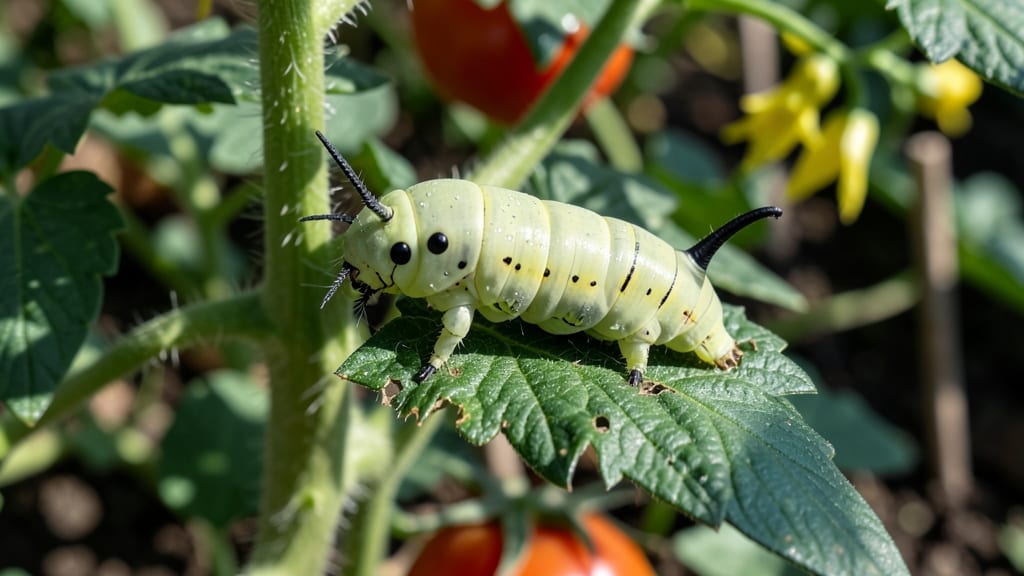
When caterpillars are eating your tomato plants, panic sets in—but there’s a better way than chemicals. 🌱 I’ve lost entire plants to hornworms and other leaf-munchers, but these organic methods actually work. The key is acting fast before they skeletonize your leaves and strip your fruit.
You’ll spot them by the damage: chewed leaves with jagged edges, black frass (poop) everywhere, and—if you’re lucky—seeing the caterpillars themselves lurking on the undersides. Tomato hornworms are the usual culprits, but loopers and cutworms show up too.
The good news? These pests are easy to outsmart with the right tools.
Start with Bacillus thuringiensis (Bt), a natural bacteria that kills caterpillars without harming bees or other beneficial insects. Pair it with row covers for young plants, and plant basil or marigolds nearby—they repel pests while attracting their predators. Within a week, you’ll see fewer chewed leaves and more tomatoes.
This approach works for backyard gardens, containers, and even small urban plots. No more reaching for sprays—just smarter, sustainable solutions that keep your plants thriving and your harvest intact.
The Hidden Triggers Behind Leaf Loss
When your tomato plants start looking like a caterpillar’s all-you-can-eat buffet, it’s rarely just bad luck—there’s usually a specific reason why these hungry pests have zeroed in on your garden.
Understanding these triggers is the first step to stopping the feast before it ruins your harvest. Let’s break down the science behind why caterpillars target tomato plants like a magnet.
Tomato plants are essentially chemical billboards for caterpillars, thanks to their natural scent and nutrient profile. Here’s why:
- Volatile Organic Compounds (VOCs): Tomatoes emit terpenes and green leaf volatiles—smelly chemicals that act like a dinner bell to pests like hornworms and tomato fruitworms. These compounds signal "fresh, tender foliage" to hungry larvae.
- High Water Content: Young tomato leaves are 85-95% water, making them an easy, hydrating snack for caterpillars. Compare that to drier plants like peppers, which are less appealing.
- Nitrogen-Rich Leaves: Healthy tomato plants packed with nitrogen (thanks to fertilizers or compost) are like a protein shake for caterpillars. They need it to grow fast—your plants are basically their fast-food joint.
💡 Pro Tip: If your tomatoes are over-fertilized with nitrogen, they’ll grow lush but more attractive to pests. Balance your soil with phosphorus and potassium to make leaves less irresistible.
Caterpillars don’t just show up out of nowhere—they’re opportunistic and thrive when the environment is just right for them. Here’s what makes your garden their ideal hangout:
| Factor | Why It Matters | Actionable Fix |
|---|---|---|
| 🌡️ Warm Temperatures (70–85°F) | Caterpillars metabolize faster in heat, meaning they eat 2–3x more when temps rise. Eggs also hatch quicker. | Use shade cloth on young plants or plant in partial shade to cool the canopy. |
| 💧 High Humidity | Moisture keeps caterpillar eggs from drying out and speeds up larval growth. Stagnant water also attracts their moth parents. | Improve airflow with pruning and mulch away from the stem to reduce soil moisture. |
| 🌙 Nighttime Feasting | Many tomato pests (like hornworms) are nocturnal. They hide during the day and devour leaves under cover of darkness. | Install yellow LED lights near plants—caterpillars avoid bright light and may seek shelter elsewhere. |
Caterpillars don’t attack randomly—they follow a predictable schedule tied to their moth parents’ behavior. Here’s how timing plays a role:
- Spring/Summer Peak: Most tomato pests (e.g., Manduca sexta or hornworms) lay eggs in late spring to early summer when tomato plants are young and tender. Larvae emerge in 7–10 days and start eating immediately.
- Second Wave: If you see small holes in leaves, it’s likely fruitworms (like Helicoverpa zea) hatching from eggs laid on flower buds or fruit.
- Overwintering Survivors: Some pests (like tomato looper) hibernate as eggs and time their hatch to coincide with tomato planting season.
⏰ Critical Window: The first 4–6 weeks after transplanting are when caterpillars are most aggressive. This is when you’ll see the fastest damage.
By recognizing these triggers—plant chemistry, environmental conditions, and life cycle timing—you can outsmart caterpillars before they turn your tomato plants into a salad bar. The next step? Learn how to disrupt their feast.
Stop Caterpillars Destroying Your Tomatoes
Now that you know what’s munching on your tomato plants, it’s time to take action! 🚀 The good news? You can protect your garden without harsh chemicals. Below are targeted solutions based on the most common culprits—from hornworms to tomato loopers—and how to outsmart them naturally.
---
Hornworms are the top tomato thieves, but they’re also the easiest to spot (and remove!). Here’s how to kick them to the curb:
#### 🔥 Handpick & Relocate (Best for Small Gardens) - When? Early morning (they’re sluggish and easier to grab). - How? Wear gloves and pluck them off leaves or stems.
Drop them into a bucket of soapy water (they’ll drown instantly). - Pro Tip: 💡 Check the underside of leaves—they love to hide there!
#### 🍳 Introduce Beneficial Predators (Long-Term Fix) Hornworms have natural enemies that will do the dirty work for you: - Parasitic wasps (like Cotesia congregata) lay eggs inside hornworm larvae.
The wasp larvae then eat the hornworm from the inside out—gross but effective! - Ladybugs & lacewings also munch on hornworm eggs. - How to attract them? Plant dill, fennel, or marigolds nearby—they love these flowers.
#### 👨🍳 Use Neem Oil Spray (Non-Toxic Barrier) - Mix: 1 tbsp neem oil + 1 tsp mild soap + 1 quart water. - Spray: Coat leaves evenly (avoid flowers to protect pollinators). - Why it works: Disrupts their feeding and growth without harming your plants. - Reapply: Every 5–7 days or after rain.
---
These caterpillars skeletonize leaves overnight, leaving your plants looking like Swiss cheese. 🧀 Here’s how to stop them:
#### 🥘 Bacillus Thuringiensis (BT): The Organic Killer - What is BT? A natural bacteria that targets caterpillars but is harmless to humans, pets, and beneficial insects. - How to use: - Mix 1 tsp BT powder with 1 quart water. - Spray directly on leaves (focus on new growth where eggs are laid). - Works in 24–48 hours—great for outbreaks! - Pro Tip: 🌡️ Best in warm weather (below 85°F for max effectiveness).
#### 🔪 Remove Eggs & Young Larvae (Prevent Early Damage) - Check daily: Look for tiny white or yellow eggs on the underside of leaves. - Scrape them off with a fingernail or soft brush (drop them in soapy water). - Why? Killing them early = fewer caterpillars later.
#### ⏰ Use Row Covers (Physical Barrier) - When? Before caterpillars hatch (or if you see early signs). - How? Drape lightweight fabric row covers over young plants. - Bonus: Also blocks other pests like colorado potato beetles.
---
Stop caterpillars before they start with these low-effort strategies:
#### 💡 Plant Smart: Confuse & Repel Them - Interplant with herbs: Basil, thyme, and oregano deter some caterpillars. - Avoid over-fertilizing: Too much nitrogen = softer leaves = caterpillar buffet. - Choose resistant varieties: Try ‘Mountain Merit’ or ‘Defiant PhR’ tomatoes—they’re tougher on pests.
#### 🎯 Maintain Garden Hygiene - Remove debris: Caterpillars love hiding in old leaves and mulch. - Rotate crops: Don’t plant tomatoes in the same spot yearly (breaks pest cycles). - Water in the morning: Wet leaves at night = more hiding spots for eggs.
#### ✨ DIY Traps & Lures - Pheromone traps: For tomato fruitworms, use moth traps (like those for gypsy moths). - Beer traps (for cutworms): Bury a cup filled with beer—they’ll drown trying to drink it.
---
- ❌ Avoid broad-spectrum pesticides (they kill beneficial bugs too). - ❌ Don’t ignore early signs—waiting = more damage. - ❌ Skip neem oil on hot days (can burn leaves).
--- Final Thought: 🌱 Caterpillars are a normal part of gardening, but with these simple, organic tricks, you can keep your tomatoes thriving—and maybe even enjoy watching nature’s pest control (like wasps and birds) do the work for you!
Frequently asked questions
What are the most common caterpillars that attack tomato plants?
Tomato hornworms are the usual suspects, but you might also see tomato fruitworms, loopers, and cutworms. Hornworms are large (up to 4 inches) with green bodies and white stripes, while fruitworms are smaller and often hide inside blossoms. Loopers move in a distinctive looping motion, and cutworms chew leaves at night.
How do I know if caterpillars are the problem and not another pest?
Look for chewed leaves with jagged edges, black frass (caterpillar poop), and missing sections of leaves (skeletonized). Unlike aphids (which leave sticky residue) or spider mites (tiny webs), caterpillars create visible destruction. Check leaf undersides—they love hiding there!
Is Bacillus thuringiensis (BT) safe for my tomato plants?
Yes! BT is a natural bacteria that only targets caterpillars, making it completely safe for your plants, pets, and even pollinators. Just apply it when blooms aren't open to protect bees. Reapply every 7-10 days or after rain, as it breaks down in sunlight.
Will handpicking caterpillars really make a difference?
Removing just 5-10 caterpillars daily can save your plants from total defoliation. Do this in the morning when they're sluggish, and drop them in soapy water. For severe infestations, combine handpicking with BT or neem oil for better results.
Can I still save my tomatoes if the caterpillars have already damaged the leaves?
Yes! While leaf damage reduces photosynthesis, your tomatoes can still produce fruit. Focus on removing remaining caterpillars and providing support (like stakes) to help the plant recover. Prune heavily damaged leaves but leave some foliage to power fruit development.