
How To
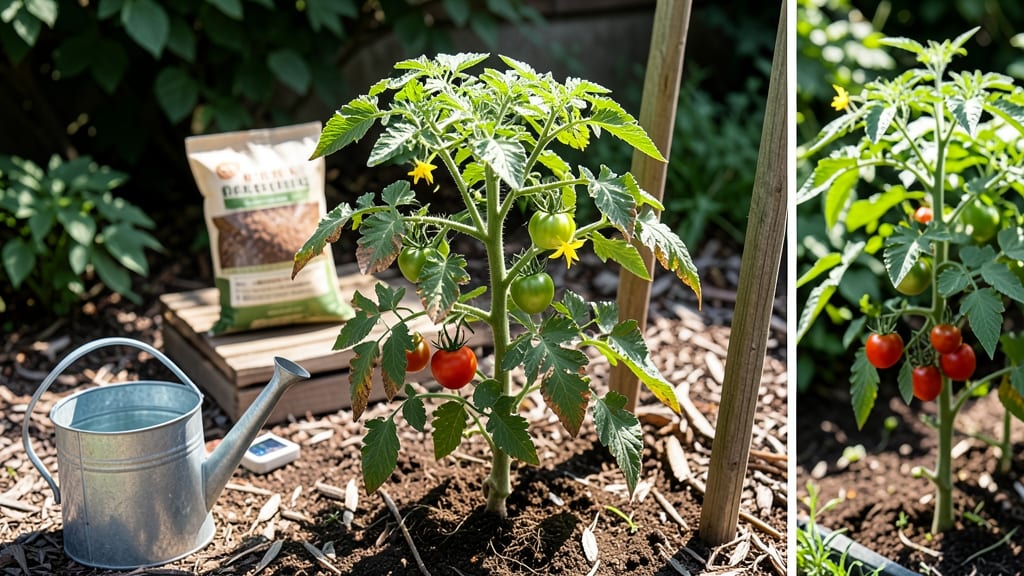
Brown tips on tomato leaves mean your plants are silently screaming for help. 🌱 I’ve seen this problem turn thriving vines into sad, crispy-edged messes—until I learned the three key fixes that work every time. The good news? Most cases fix within days once you address the real cause.
Overwatering, underwatering, or nutrient burn can all trigger those ugly brown edges. My plants recovered after I adjusted watering to once every 2-3 days (depending on heat) and added a balanced fertilizer. The fix isn’t complicated—just precise. You’ll notice fresh green growth within 5-7 days of proper care.
The secret is checking soil moisture with your finger (top inch should be dry) and avoiding wetting leaves during watering. Prevention is even easier: mulch heavily and water at the base. This works for container tomatoes, raised beds, or in-ground plants. Let’s get those leaves looking healthy again!
Root Causes Of Leaf Damage
When your tomato plants develop brown tips on their leaves, it’s rarely a single culprit—it’s usually a mix of environmental stressors and care missteps. Understanding the why behind the browning is the first step to saving your plants.
Below, we break down the most common causes, backed by science, so you can diagnose the issue accurately and take targeted action.
Tomatoes thrive in well-drained soil, but excess moisture—especially when combined with compacted or heavy clay soil—can suffocate roots, leading to oxygen deprivation. When roots struggle, they can’t absorb nutrients efficiently, causing leaves to develop brown, crispy tips, often starting at the edges.
- How it happens: Overwatering flushes out essential nutrients (like calcium and magnesium) while promoting Phytophthora or Pythium root rot, which clogs root cells and disrupts water uptake.
- Tell-tale signs:
- Yellowing between leaf veins (chlorosis) before browning.
- Mushy, blackened stems at the soil line.
- Soil that stays soggy for days after watering.
- Actionable fix:
- Test your soil’s drainage by digging a 6-inch hole, filling it with water, and timing how long it takes to drain. If it’s slower than 4 hours, amend with perlite, sand, or compost.
- Water deeply but infrequently—aim for 1–1.5 inches per week, adjusting for rain.
- Ensure containers have drainage holes and elevate pots to prevent waterlogging.
While overwatering is a common villain, underwatering (or inconsistent watering) can also trigger brown tips. When soil dries out unevenly, roots struggle to pull moisture from the edges of the pot or garden bed, leading to dehydration stress.
Additionally, salt buildup from tap water, fertilizers, or dried minerals can create a hypertonic environment, where plants expend energy to expel excess salts instead of absorbing water.
- How it happens:
- Uneven moisture distribution causes root tips to dry out, reducing water absorption.
- Salts (like sodium or chloride) accumulate in the soil, increasing osmotic pressure, which makes it harder for roots to take up water.
- Tell-tale signs:
- Dry, crispy edges with a paper-like texture.
- White crust on soil surface (especially in pots).
- Leaves curling or wilting during the day but recovering at night (a sign of thirst).
- Actionable fix:
- Water consistently—stick your finger 1–2 inches into the soil; if it’s dry, water until it drains from the bottom.
- Flush the soil with rainwater or distilled water every 4–6 weeks to leach out salts.
- Use a moisture meter or mulch with straw to retain even moisture.
Brown tips often signal a mineral imbalance, particularly deficiencies in calcium, magnesium, or potassium. These nutrients are critical for cell wall integrity and enzyme function.
When levels drop—due to poor soil, over-fertilization with nitrogen, or leaching—leaves lose their ability to regulate water and nutrients, leading to necrotic (dead) tissue at the edges.
| Nutrient | Deficiency Signs | Quick Fix |
|---|---|---|
| Calcium |
|
|
| Magnesium |
|
|
| Potassium |
|
|
💡 Pro Tip: If you suspect a deficiency, conduct a soil test to identify specific imbalances before treating. Over-fertilizing can worsen the problem!
Tomatoes are sensitive to extreme temperatures, humidity swings, and wind. Brown tips can develop when leaves lose moisture faster than roots can replace it, a condition called transpirational stress.
High heat, low humidity, or direct sun exposure (especially after rain) can cause leaf edges to dry out and turn brown.
- How it happens:
- Heat stress: Temperatures above 90°F (32°C) increase transpiration rates, while roots may struggle to absorb water in hot, dry soil.
- Windburn: Fast-moving air strips moisture from leaf surfaces, leading to desiccation.
- Cold damage: Sudden temperature drops (below 50°F/10°C) can cause cell membranes to rupture, leading to browning.
- Tell-tale signs:
- Browning on exposed leaf edges (especially on upper leaves).
- Leaves feel dry or papery to the touch.
- Symptoms appear suddenly after a heatwave or windy day.
- Actionable fix:
- Shade cloth: Use 30–50% shade fabric during peak sun (10 AM–4 PM) if temps
Fixing Brown Leaf Tips Fast
Now that you know the culprit behind those unsightly brown tips on your tomato leaves, it’s time to take action! 🌱💪 The good news? Most fixes are simple, and with a little TLC, your plants will bounce back stronger than ever.
Below, we’ve broken down practical solutions for each common cause—plus tips to keep your tomatoes thriving long-term.
If your tomatoes are drowning in soggy soil, the roots can’t breathe, leading to brown, crispy edges. Here’s how to save them:
🚿 Step 1: Adjust Your Watering Routine
- Water deeply but less often—aim for 1–1.5 inches per week (including rain).
- Check soil moisture before watering: Stick your finger 1 inch into the soil.
If it’s damp, wait. - Water at the base (not overhead) to avoid wetting leaves, which spreads disease.
🌱 Step 2: Improve Drainage
- Amend heavy clay soil with compost or perlite to help water drain faster.
- Raise containers slightly off the ground (use bricks or pots with drainage holes).
- Avoid watering at night—wet leaves stay damp longer, inviting fungus.
💡 Pro Tip:
If your pots lack drainage, poke holes in the bottom and add a layer of gravel. This prevents root suffocation and keeps soil aerated.
Tomatoes love sun, but intense heat or scorching rays can fry leaf edges. Here’s how to cool them down:
☀️ Step 1: Provide Afternoon Shade
- Use shade cloth (30–50%) or a lightweight row cover during peak afternoon heat (12–4 PM).
- Reflective mulch (like white plastic or straw) bounces sunlight away from leaves.
💧 Step 2: Hydrate Strategically
- Water in the early morning so roots absorb moisture before evaporation.
- Mulch heavily (2–3 inches of straw or grass clippings) to retain moisture and cool roots.
🎯 Step 3: Prune for Better Airflow
- Remove lower leaves touching the ground to improve airflow and reduce heat buildup.
- Thin out crowded vines—more space = less stress from competition.
Brown tips can signal too much salt (from fertilizer) or a lack of key nutrients. Here’s how to fix it:
🌿 Step 1: Flush the Soil
- Water heavily for 10–15 minutes to leach out excess salts (repeat weekly if needed).
- Use rainwater or distilled water—tap water can add chlorine/salts over time.
📊 Step 2: Test & Adjust Fertilizer
- Stop synthetic fertilizers temporarily and switch to organic options (compost tea, fish emulsion, or worm castings).
- Look for signs of deficiency:
- Yellowing between veins? → Likely magnesium (Epsom salt spray) or nitrogen.
- Purple stems? → Phosphorus boost (bone meal).
- General weakness? → Potassium (banana peel tea or wood ash).
✨ Pro Tip:
Mix 1 tablespoon of Epsom salt per gallon of water and spray leaves weekly for magnesium. For potassium, steep banana peels in water for 24 hours and use as fertilizer.
If brown tips are spreading quickly or accompanied by black spots, mold, or wilting, you’re dealing with a pathogen. Act now!
🧼 Step 1: Remove Infected Parts
- Snip off brown/crispy leaves with sterilized scissors (wipe with rubbing alcohol).
- Dispose of debris in the trash (not compost)—don’t let spores spread.
🍄 Step 2: Treat with Fungicides
- Baking soda spray: Mix 1 tsp baking soda + 1 tsp oil + 1 tsp soap per quart of water.
Spray every 7–10 days. - Neem oil or copper fungicide: Apply weekly for 2–3 weeks to prevent recurrence. - Avoid chemical sprays—they can harm beneficial insects.
🌿 Step 3: Boost Plant Immunity
- Strengthen roots with mycorrhizal fungi (add to soil at planting).
- Rotate crops next season—don’t plant tomatoes in the same spot yearly.
Once your plants recover, keep these habits to avoid future brown tips:
✅ Water wisely: Early morning, at the base, and never on leaves. ✅ Monitor soil: Test pH (aim for 6.0–6.8) and amend with compost if needed. ✅ Prune regularly: Remove suckers and lower leaves to improve airflow. ✅ Mulch well: Keeps roots cool and moisture levels stable. ✅ Rotate crops: Plant tomatoes in a different spot each year to prevent soil-borne diseases.
With these fixes, your tomato plants should perk up within 1–2 weeks—and you’ll be back to harvesting juicy, vine-ripened tomatoes in no time! 🍅🌟 For persistent issues, consider replanting in fresh, well-draining soil. Happy gardening!
Frequently asked questions about brown tips on tomato leaves
Why do my tomato leaves get brown tips even when I water regularly?
Inconsistent watering or poor soil drainage can cause brown tips despite regular watering. Check if the top 1-2 inches of soil stays damp—if it's soggy, you're overwatering. If it's bone-dry, water deeply until it drains from the bottom. Also test your soil's drainage by filling a hole with water and timing how long it takes to drain (should be 4 hours max).
Can I save my tomato plant if most leaves have brown tips?
Yes! Prune off the worst-affected leaves immediately and focus on fixing the root cause. Healthy new growth will emerge within 5-7 days if you adjust watering, improve drainage, and address nutrient imbalances. For severe cases, consider repotting in fresh, well-draining soil to give roots a clean start.
Is it safe to use tap water for my tomato plants if I notice brown tips?
Tap water can contribute to brown tips due to chlorine or mineral buildup. Try using rainwater or distilled water for 2-3 weeks to flush out excess salts. If you must use tap water, let it sit out overnight first to allow chlorine to evaporate. For container plants, flush the soil monthly with plain water to prevent salt accumulation.
How do I tell if brown tips are from heat stress vs. underwatering?
Heat stress causes browning on exposed leaf edges that appear suddenly after hot days, while underwatering shows crispy tips with dry, papery texture that develops gradually. Check soil moisture—if the top inch is dry but roots are healthy, it's likely heat. If the entire root ball is dry, you're underwatering. Provide afternoon shade for heat stress and water deeply at soil level for drought.
Will Epsom salt help if my tomato leaves have brown tips?
Epsom salt (magnesium sulfate) can help if brown tips are from magnesium deficiency, which often shows as yellowing between leaf veins before browning. Mix 1 tablespoon per gallon of water and spray leaves weekly. For calcium deficiencies (common with blossom end rot), try crushed eggshells or calcium nitrate instead. Always test soil first—over-applying can cause other problems.