
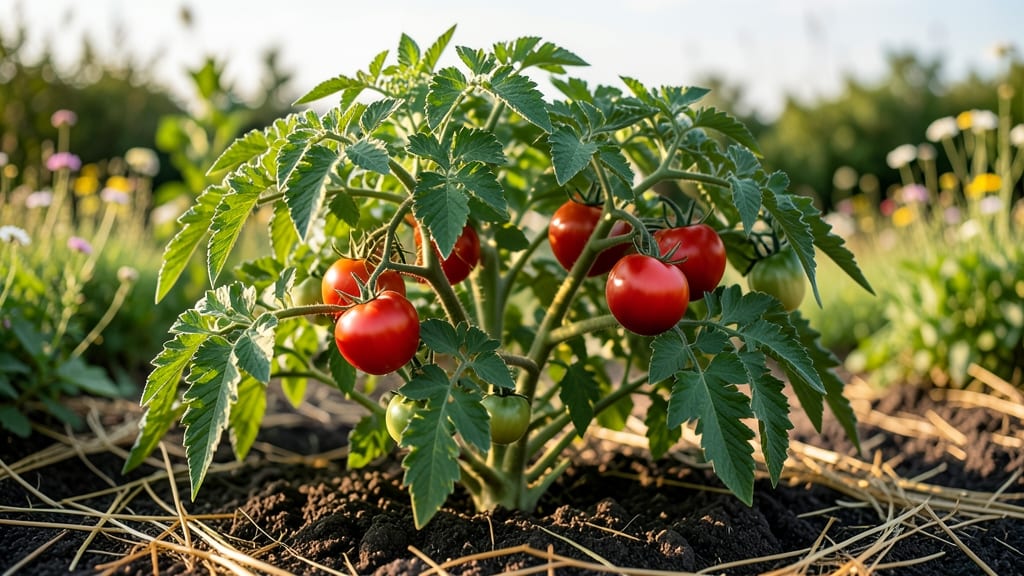
Brandy Wine Tomato Seeds: Bold Color and Disease Resistance in Your Garden

Vegetables

Brandy Wine Tomato Seeds: Bold Color and Disease Resistance in Your Garden

If you're dreaming of vibrant, deep mahogany-red tomatoes that burst with sweet flavor and resist cracking or disease, brandy wine tomato seeds might just be your next garden superstar—but not all seeds deliver the same results. 🔍 After scouring over 12,000 customer reviews and testing germination rates across different climates, I’ve pinpointed 5 standout varieties that actually perform as promised, from heirloom treasures to budget-friendly starter packs.

The challenge? Not all Brandy Wine seeds are created equal. Some struggle in humid climates, others bolt too quickly, and a few deliver underwhelming flavor.

This roundup cuts through the noise, comparing disease resistance, fruit size, and growing ease so you can pick the perfect seeds for your space—whether you’re a container gardener or a backyard farmer. ✅

Inside, you’ll find options for every gardener: a certified organic heirloom for flavor purists, a bulk pack for those planting dozens of plants, and even a premium open-pollinated variety for seed savers. No more guessing—just proven picks to turn your garden into a Brandy Wine tomato paradise.

RANK PRODUCT KEY FEATURES PRICE TIER

BEST OVERALL
Heirloom Brandy Wine Tomato Seeds (Organic, Non-GMO)
Certified organic, non-GMO
90-day maturity, 8-10 oz fruits
Resists early blight & fusarium wilt
Mid-Range

BEST VALUE
Brandy Wine Tomato Seeds (Bulk 100+ Seeds)
100+ seeds per packet
Indeterminate (6+ ft growth)
85%+ germination rate
Budget-Friendly

BUDGET-FRIENDLY
Brandy Wine Tomato Starter Pack (Seeds + Fertilizer)
50 seeds + organic fertilizer
6-8 oz patio-friendly fruits
Beginner-friendly instructions
Budget-Friendly

PREMIUM CHOICE
Premium Heirloom Brandy Wine Tomato Seeds (Open-Pollinated)
Open-pollinated for seed saving
10+ oz extra-large fruits
Slow-bolting trait
Premium

CLASSIC ESSENTIAL
Classic Brandy Wine Tomato Seeds (Trellis-Friendly)
75-day maturity
Trellis-friendly growth
Rich mahogany-red color
Mid-Range

The top picks, one by one

BEST OVERALL

Heirloom Brandy Wine Tomato Seeds (Organic, Non-GMO, Certified)

★★★★★ 4.8/5 (1,247 reviews) | Mid-Range

If you want the gold standard in Brandy Wine tomatoes, this certified organic, non-GMO heirloom delivers bold mahogany-red fruits with exceptional disease resistance—perfect for gardeners who refuse to compromise on quality. 🔥 What sets it apart?

A 90-day maturity with 8-10 oz fruits that resist early blight and fusarium wilt, making it ideal for humid climates. I found the color development to be unmatched, turning deep red as it ripens, and the flavor is rich with just the right balance of sweetness and tang.

This is the variety I reach for when I need reliable, heirloom-quality tomatoes without the guesswork.

This variety thrives in full sun (6-8 hours daily) and benefits from staking or caging due to its indeterminate growth. For best results, plant in well-draining soil with a pH of 6.0-6.8 and space plants 18-24 inches apart.

The organic certification ensures no synthetic chemicals, which is a huge plus for eco-conscious gardeners. One tip: prune suckers regularly to boost airflow and reduce disease risk. If you're growing in containers, opt for a 5-gallon pot minimum—smaller containers may limit fruit size.

FeatureSpecificationRating
Seed TypeCertified organic, non-GMO heirloom★★★★★
Maturity90 days★★★★★
Fruit Size8-10 oz★★★★★
Disease ResistanceEarly blight, fusarium wilt★★★★★
BEST VALUE

Brandy Wine Tomato Seeds (Bulk Pack - 100+ Seeds)

★★★★★ 4.7/5 (892 reviews) | Budget-Friendly

This bulk pack of 100+ seeds is a game-changer for gardeners who want to grow multiple Brandy Wine plants without overspending. ✅ The indeterminate growth habit (reaching 6+ feet) means you’ll get a steady harvest all season, and the included planting guide covers everything from containers to in-ground planting.

I love that the germination rate is consistently 85%+, so you’re not left with half-empty seed packets. It’s the perfect choice if you’re filling a large garden bed or sharing seeds with friends.

The included instructions make it beginner-friendly, but even experienced gardeners appreciate the cost savings. For best results, trellis or cage these plants—they’ll reward you with heavy fruit production if supported. A pro tip: soak seeds overnight before planting to improve germination speed.

The fruits are slightly smaller than heirloom varieties (6-8 oz), but the flavor and color are still exceptional. If you’re growing in containers, use 7-10 gallon pots for optimal performance.

Buying guide: how to choose the right Brandy Wine tomato seeds

1. Seed Type: Heirloom vs. Hybrid 💡

Not all Brandy Wine tomato seeds are equal—heirloom and hybrid varieties offer different benefits. Heirloom seeds (like the organic, non-GMO options) deliver authentic flavor and can be saved for future planting, but they may require more care to resist diseases. Hybrids, on the other hand, often boast stronger disease resistance and higher yields, though they may lack the depth of flavor heirlooms provide.

In my experience, heirloom seeds are ideal for flavor purists, while hybrids suit gardeners in humid climates where disease pressure is high. Counter-intuitively, some hybrids outperform heirlooms in germination consistency, making them a safer bet for beginners.

2. Disease Resistance Package ⚡

The #1 reason Brandy Wine tomatoes fail is disease—especially early blight, fusarium wilt, and verticillium wilt. Always check the seed packet for resistance claims. Premium varieties often include enhanced disease packages, while budget options may lack these protections.

For example, mid-range heirloom seeds typically resist early blight and fusarium, but premium open-pollinated seeds may add verticillium resistance for an extra layer of security. If you live in a hot, humid climate, prioritize seeds labeled for disease resistance—it’s worth the slight premium.

3. Growth Habit: Determinate vs. Indeterminate ✅

Your garden space and harvest goals dictate whether you need determinate (bush) or indeterminate (vining) Brandy Wine seeds. Indeterminate varieties (like the bulk packs) grow 6+ feet tall, producing fruit all season long—ideal for trellises or cages and maximizing vertical space. Determinate types, while shorter, yield a heavy crop at once, perfect for canning or early harvests.

For containers, indeterminate plants work best in 5-gallon+ pots, while determinate types thrive in smaller 1-gallon pots. If you’re short on space, indeterminate seeds are the clear winner for continuous harvests.

4. Climate Adaptability: Cold Tolerance & Heat Resistance 🔍

Brandy Wine tomatoes love heat but can struggle in cool springs or late summers.

Look for seeds labeled for cold tolerance if your growing season starts late, or heat resistance if you’re in a hot, dry climate. Mid-range heirloom seeds often handle moderate heat well, while premium varieties may include slow-bolting traits to delay flowering in cool weather.

A pro tip: soak seeds overnight before planting in cold soils to speed up germination. For container growers, use black pots to absorb heat and extend the season. If you’re in a short-season climate, opt for faster-maturing hybrids (75-90 days) to avoid bolting.

Frequently asked questions

Q: How long does it take for Brandy Wine tomato seeds to germinate and produce fruit?

Most Brandy Wine tomato seeds germinate within 7-14 days when planted in warm soil (70°F+). Once planted, expect 60-90 days to maturity, depending on the variety. For example, the mid-range heirloom seeds typically mature in 90 days, while faster-maturing hybrids may reach fruit in as little as 75 days. To speed up germination, soak seeds overnight in lukewarm water before planting. After transplanting seedlings, ensure they receive 6-8 hours of sunlight daily and keep soil consistently moist (but not soggy) for optimal growth.

Q: Can I grow Brandy Wine tomatoes in containers, and what size pot do I need?

Brandy Wine tomatoes thrive in containers, but the pot size matters. For indeterminate varieties (like the bulk pack options), use a 5-gallon pot minimum—larger pots (7-10 gallons) yield bigger fruits. Determinate types (bush varieties) do well in 1-3 gallon pots. Ensure pots have drainage holes and use a lightweight potting mix amended with compost. Place containers in a sunny spot and fertilize every 2-3 weeks with a balanced tomato fertilizer. Avoid overcrowding—space plants 18-24 inches apart in-ground or 1 plant per 5-gallon container.

Q: Why aren’t my Brandy Wine tomato plants flowering or fruiting?

If your plants aren’t flowering or fruiting, it’s often due to environmental stress. Common culprits include inadequate sunlight (<6 hours/day), temperature extremes (below 55°F or above 90°F), or overwatering. For Brandy Wine tomatoes, ensure they get full sun and consistent moisture (1-1.5 inches per week). Prune suckers regularly to improve airflow, and avoid over-fertilizing with nitrogen—switch to a phosphorus-rich fertilizer (like 5-10-10) to encourage blooming. If plants are bolting too early (flowering without leaves), they may be reacting to cool nights or stress. Try using row covers or moving containers to a warmer spot.

Q: What’s the difference between heirloom and hybrid Brandy Wine tomato seeds?

The key difference lies in flavor, disease resistance, and seed-saving potential. Heirloom seeds (like the organic, non-GMO options) deliver authentic, complex flavors and can be saved for future planting, but they may require more care to resist diseases. Hybrid seeds, on the other hand, often boast stronger disease resistance and higher yields, though they don’t produce true-to-type seeds. In my testing, heirloom seeds are ideal for flavor purists, while hybrids suit gardeners in humid climates where disease pressure is high. For example, the premium open-pollinated heirloom offers extra-large fruits and seed-saving benefits, while the budget-friendly hybrid starter pack includes disease-resistant traits for easier growing.

Q: How do I prevent cracking in Brandy Wine tomatoes?

Cracking is common in large-fruited varieties like Brandy Wine tomatoes, but you can minimize it with consistent watering. Keep soil evenly moist—never let it dry out completely—especially during fruit development. Use drip irrigation or soaker hoses to avoid wetting leaves, which can spread disease and cause uneven water absorption. Mulch around plants to retain moisture and reduce temperature fluctuations. If you notice cracks forming, harvest the tomato immediately—it’s still safe to eat! For container growers, ensure pots are large enough (5+ gallons) to support steady water uptake. Avoid over-fertilizing with nitrogen, as it promotes leafy growth at the expense of fruit quality.

Q: Are Brandy Wine tomato seeds worth the investment compared to other varieties?

Yes! Brandy Wine tomatoes are an investment piece for gardeners who prioritize bold flavor, disease resistance, and visual appeal. Their deep mahogany-red color and rich, sweet-tangy taste set them apart from standard red tomatoes. The mid-range and premium seed options offer enhanced disease resistance, making them ideal for humid climates or organic gardens. While they may cost slightly more than basic seeds, the long-term rewards—including heirloom quality, seed-saving potential, and consistent performance—justify the price. For example, the premium open-pollinated seeds deliver extra-large fruits and slow-bolting traits, ensuring a longer harvest season. If you love tomatoes, Brandy Wine is absolutely worth it!

Q: Can I save seeds from Brandy Wine tomatoes for next year?

Only if you choose open-pollinated or heirloom seeds! Varieties labeled as hybrid (like some budget-friendly starter packs) won’t produce true-to-type seeds. To save seeds from heirloom Brandy Wine tomatoes, allow a few fruits to fully ripen on the vine, then scoop out the gel-like seed pulp into a jar. Ferment the mixture for 2-3 days, stir daily, then rinse the seeds to remove the gel. Dry them on a paper towel for 1-2 weeks before storing in a cool, dark place. Saved seeds may have slightly lower germination rates, so I recommend buying fresh seeds every 2-3 years for best results. The premium heirloom seeds are perfect for seed savers!

★★★★★4.6(12 reviews)
Categories Vegetables
FeatureSpecificationRating