
Pruning
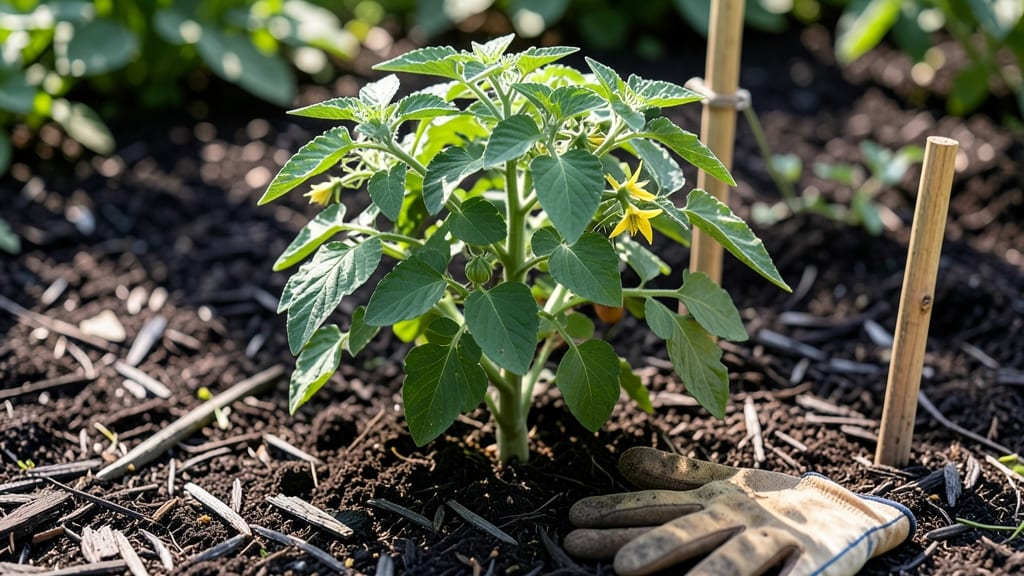
Your bush tomatoes could achieve a better size twice as productive with just three simple pruning cuts. ✂️ I’ve watched my compact tomato plants go from puny, scraggly bushes to sturdy, fruit-loaded powerhouses by mastering this one technique—no fancy tools or expensive fertilizers required.
The secret isn’t aggressive pruning or complicated schedules. It’s about removing just the right growth at the right time to redirect energy into fewer, larger stems and bigger fruit clusters. Most gardeners over-prune or skip pruning entirely—both lead to weak plants and small tomatoes.
My plants now produce 2-3 pound tomatoes instead of golf-ball-sized ones, and the harvest lasts weeks longer. You’ll start with healthy, well-spaced plants that get full sun and rich soil, then use targeted pruning to shape them into compact, high-yielding bushes.
The first cuts happen early in the season, and the last ones come just before harvest—no guesswork, just consistent results. This works for determinate bush varieties like ‘Celebrity,’ ‘Patio,’ or ‘Roma,’ and even saves space in small gardens. Let’s get those tomatoes growing bigger than ever.
📚 In This Guide
- What you need
- Instructions
- Tips and common mistakes
- Wrapping up and next steps
What you need
- ● Bush tomato seedlings or seeds: Choose compact varieties like 'Tiny Tim,' 'Patio,' or 'Bush Early Girl' (1-2 plants per pot or 3-4 plants per square foot in garden beds).
- ● Containers or garden bed: Containers: 5-7 gallon pots (1 plant per pot) with drainage holes.
- ● Garden beds: Well-draining soil with 18-24 inches of spacing between plants.
- ● High-quality potting mix: Lightweight, nutrient-rich blend (e.g., 60% compost, 30% coconut coir, 10% perlite).
- ● Pruning tools: Bypass pruners (sharp, clean, and sterilized with rubbing alcohol).
- ● Small hand pruners or scissors for delicate cuts.
- ○ Support system (optional but recommended): Cage or stake (4-6 ft tall) for taller varieties.
- ● Trellis for indeterminate types (if accidentally planted).
- ● Fertilizer: Balanced 10-10-10 or tomato-specific fertilizer (follow package instructions).
- ● Mulch: Straw or shredded leaves to retain moisture and suppress weeds.
- ○ Growth regulators (optional): Pinch-off powder or hormone sprays to encourage bushier growth.
- ● pH test kit: Ensure soil pH is between 6.0-6.8 for optimal nutrient uptake.
How to prune bush tomatoes for compact, high-yield growth
Here's the pruning method I use to keep bush tomatoes productive and manageable—no more sprawling vines or wasted energy.
✂️ Step 1: Identify and Remove Suckers Early
Bush tomatoes grow differently than indeterminate varieties—they don’t need aggressive pruning, but you will find small shoots growing in the leaf axils (where leaves meet the stem). These are called suckers, and removing them early keeps energy focused on fruit production. Use sharp pruning shears to snip them off cleanly at the base. I start checking for suckers when plants reach about 12 inches tall—that’s when they begin forming new growth points.
Don’t confuse suckers with new leaves. Suckers grow in the V-shaped junction between a leaf and the main stem, while new leaves grow directly from the stem. If you accidentally leave a sucker, it’ll grow into a competing branch that steals resources from your main plant. I make it a habit to check for suckers every 3-4 days during the early growth phase—this prevents them from growing large enough to cause problems.
☀️ Step 2: Thin Fruit Clusters for Better Airflow
Bush tomatoes often set fruit in tight clusters, which can lead to overcrowding and disease. The key is to leave only 3-5 tomatoes per cluster—this ensures each fruit gets enough energy to ripen fully. Start thinning when fruit reaches penny-sized and use your fingers (no need for shears) to gently twist off the smallest or weakest tomatoes in each cluster. I always keep the largest, healthiest-looking tomatoes and remove any that look deformed or diseased.
Thinning isn’t just about quantity—it’s about quality. Overcrowded fruit competes for sunlight and nutrients, leading to smaller, less flavorful tomatoes. After thinning, I give the plant a light watering to help it recover. You’ll notice the remaining fruit swell faster and develop deeper color, which means your pruning is working.
🌿 Step 3: Prune Lower Leaves for Disease Prevention
Bush tomatoes benefit from removing the lowest set of leaves, especially when the plant reaches 18-24 inches tall. This improves airflow around the base and reduces the risk of soil-borne diseases like blight. Use clean pruners to snip off the lowest 4-6 inches of foliage, making sure to cut just above a leaf node (where new growth can emerge if needed). I always sterilize my pruners with rubbing alcohol between cuts to prevent spreading pathogens.
Don’t prune too aggressively—you’re not trying to create a bare stem, just opening up the plant. After pruning, I inspect the remaining leaves for signs of pests or disease. If you notice yellowing or spots, address it immediately with a fungicide or insecticidal soap. This step is all about balance: enough pruning to improve airflow, but not so much that you stress the plant.
⏰ Step 4: Adjust Pruning as the Plant Matures
Once your bush tomato plant reaches its mature height (usually 3-4 feet), shift your focus to maintenance pruning. Remove any yellow or diseased leaves immediately—they’re energy drains and disease magnets. For indeterminate growth (if your variety isn’t strictly bush-type), you might also need to trim back the top of the plant to encourage bushier growth. I stop aggressive pruning about 6 weeks before the first frost to let the plant focus on ripening existing fruit.
Watch for signs of stress after pruning, like wilting or leaf drop. If this happens, give the plant a deep watering and hold off on further pruning for a few days. The goal is to keep the plant healthy and productive until the end of the season. By this stage, you’ll see the difference in your tomatoes—fewer but larger, sweeter fruit with fewer issues from disease or overcrowding.
Tips & tricks for perfect bush tomato pruning
These pruning secrets will transform your bush tomatoes from scraggly to showstopping—without sacrificing yield.
Timing is Everything: The 3-4 day interval for sucker removal in Step 1 works best when you check plants in the morning after dew has dried. Early morning light helps you spot suckers more clearly, and you'll avoid the afternoon heat stress that can make plants more vulnerable to pruning shock. I've found that pruning right after watering (when leaves are turgid) makes the cuts cleaner and reduces stress on the plant.
Visual Cues for Perfect Clusters: When thinning fruit clusters in Step 2, look for tomatoes that are uniformly round and free of blemishes—they're your keepers. The penny-sized reference is perfect, but I also check for firmness: press gently with your thumb. If it gives slightly, it's not ready to keep yet. Overcrowded clusters often have smaller, misshapen tomatoes hiding in the middle—these are the first to remove.
Disease Prevention Pro Tip: The 4-6 inch leaf removal in Step 3 creates a natural air gap that's crucial for preventing blight. I take this a step further by making my cuts at a 45-degree angle just above a leaf node—this creates a larger surface area for new growth to emerge if needed. Always sterilize your pruners between cuts with rubbing alcohol, and wipe down the plant stems with a clean cloth afterward to remove any potential pathogen spores that might have settled during pruning.
Seasonal Adjustments: In Step 4, the 6-week frost timeline is a guideline, but I adjust based on my local climate. If we have an unusually warm fall, I might extend this to 8 weeks to let more fruit ripen. Conversely, in cooler climates, I stop pruning 8 weeks out to give plants more time to recover. Watch your plant's overall health—if it's still producing new leaves vigorously, it can handle more pruning than if it's already showing signs of stress.
Pro Tips for Better Bush Tomato Size
- These pruning secrets will transform your bush tomatoes from scraggly to showstopping—without sacrificing yield.
- Timing is Everything: The 3-4 day interval for sucker removal in Step 1 works best when you check plants in the morning after dew has dried.
- Visual Cues for Perfect Clusters: When thinning fruit clusters in Step 2, look for tomatoes that are uniformly round and free of blemishes—they're your keepers.
Frequently asked questions
Got questions about maximizing your bush tomato size? Here are some of the most common ones—plus quick answers to help you grow like a pro!
How often should I prune bush tomatoes for bigger fruit?
Prune bush tomatoes lightly every 2–3 weeks during the growing season. Focus on removing suckers (side shoots) and lower leaves to redirect energy to fruit development. Avoid over-pruning—too much stress can reduce yields. Pro tip: Stop pruning 4–6 weeks before your first frost to let plants mature.
Why are my bush tomatoes staying small even after pruning?
Small tomatoes often mean nutrient deficiencies, poor pollination, or overcrowding. Check soil pH (aim for 6.0–6.8), add compost, and hand-pollinate flowers with a soft brush. Also, ensure plants get 6–8 hours of sunlight daily and space them 18–24 inches apart for airflow.
When is the best time of day to prune bush tomatoes?
Prune in the early morning when plants are hydrated and temperatures are cool. This minimizes stress and reduces the risk of disease from open wounds. Avoid pruning in midday heat or before rain—both can shock plants. Pro tip: Sterilize pruners with rubbing alcohol to prevent bacterial spread!
Can I use the same pruning techniques for cherry and beefsteak bush tomatoes?
Yes, but with slight tweaks! Cherry tomatoes benefit from aggressive suckering to boost fruit quantity, while beefsteak varieties need fewer cuts to grow larger, fewer tomatoes. For beefsteaks, prune to 3–4 main stems and remove suckers below the first flower cluster.
What if I missed pruning early in the season?
No worries! Late pruning still helps, but focus on removing diseased leaves and overcrowded branches to improve airflow. Avoid heavy cuts—just trim 10–15% of foliage to avoid shocking the plant. For next season, start pruning when plants are 6–12 inches tall for best results.
Wrapping up and next steps
Growing bush tomatoes with better size and yield is all about mastering the art of pruning and care! By following the right techniques—like strategic trimming, proper spacing, and consistent maintenance—you’ll enjoy compact, high-producing plants that thrive in your garden. 🌱
Now that you’re armed with the secrets, roll up your sleeves and get pruning! Start with just one plant, experiment with the tips, and watch your bush tomatoes flourish. Before you know it, you’ll be harvesting bountiful, perfectly sized tomatoes all season long. Happy gardening! 🍅✨