
How To
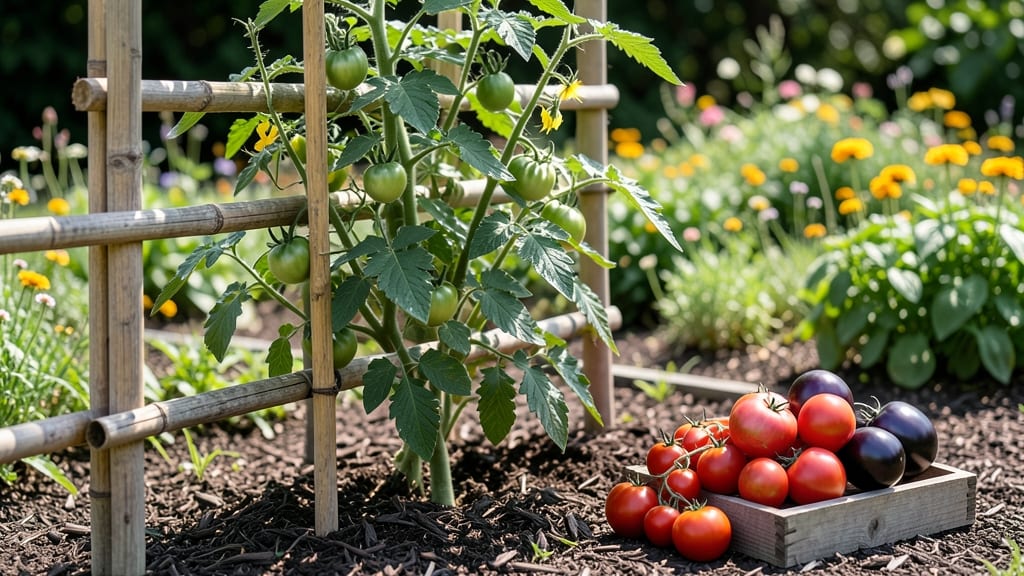
When selecting the best tomato varieties to grow, prioritize heirloom types like Brandywine for their deep, complex flavor, disease-resistant hybrids such as Celebrity or Mountain Merit for reliable yields, and cherry tomatoes like Sungold for their sweetness and prolific production. Match your choice to your growing conditions and intended use—whether you're after fresh salads, hearty sauces, or canning staples.
Tomatoes are incredibly versatile, and the right variety can transform your garden's productivity and your kitchen's flavor profile. 🌱 Heirloom tomatoes like Brandywine deliver that restaurant-quality taste, while disease-resistant hybrids like Celebrity save time and frustration by thriving even when pests strike.
Cherry tomatoes aren't just for snacking—they pack more flavor per bite than you'd expect, and their compact growth makes them perfect for containers or small spaces. The key is balancing your climate's challenges with your culinary goals.
For example, if you live in a hot, dry region, look for heat-tolerant varieties like 'Solar Fire' that continue producing even when temperatures climb. Conversely, cooler climates benefit from early-maturing types like 'Stupice' that ripen quickly before summer ends.
And don't overlook the power of indeterminate growers—they keep producing all season long if properly staked and pruned.
💡 In This Article
- Tomato Variety Traits: Flavor, Size, and Growth Habits
- Climate-Specific Tomato Varieties for Maximum Success
Tomato variety traits: flavor, size, and growth habits
Understanding tomato traits helps you choose varieties that match your garden and kitchen needs. The most fundamental distinction is between determinate and indeterminate growth habits.
Determinate varieties like Roma or Celebrity grow in compact bushes and produce fruit all at once, making them ideal for canning or when you want a single harvest. Their vines stop growing once flowering begins, which also limits their exposure to diseases that spread through foliage.
Indeterminate types like Brandywine or Sungold keep growing and producing fruit until frost, offering a continuous supply but requiring staking or trellising to support their sprawling vines.
The size and shape of tomatoes dramatically affect their culinary uses. Heirloom varieties like Brandywine produce beefsteak tomatoes weighing 12-16 ounces each, perfect for slicing sandwiches or fresh salads due to their meaty texture and low seed content.
Cherry tomatoes like Sungold measure just 1-2 inches in diameter but pack intense sweetness with 5-7% sugar content—ideal for snacking or adding bursts of flavor to pasta dishes.
Meanwhile, paste tomatoes like San Marzano have thick walls and minimal seeds, making them the gold standard for sauces where you want rich, concentrated flavor without excess liquid.
Flavor profiles vary just as much as sizes, with sweetness levels measured in brix (sugar content). Sungold cherry tomatoes can reach 8-10 brix, while classic slicing tomatoes like Beefmaster typically sit at 4-6 brix.
The difference comes from genetic makeup and growing conditions—sunlight exposure directly impacts sugar development, which is why greenhouse-grown tomatoes often taste sweeter. Tangy varieties like Early Girl balance acidity with fruitiness, making them versatile for both fresh eating and cooking.
What most gardeners don't realize is that flavor compounds like lycopene (responsible for red pigment) actually increase when tomatoes ripen fully on the vine.
Growth habits also influence how you'll manage your plants. Indeterminate varieties need 6-8 feet of vertical space to thrive, while determinate types stay under 3-4 feet tall.
This matters for garden layout—tall indeterminate plants cast shade that can stunt nearby crops, while compact determinate bushes allow for closer spacing and easier harvesting. The trade-off?
Indeterminate plants produce fruit over 60-90 days of growing season, while determinate varieties concentrate their harvest in just 2-3 weeks, which can be risky if late blight arrives early in your region.
Consider these key factors when choosing:
- Harvest window: Indeterminate for continuous supply, determinate for single large harvest
- Space constraints: Cherry tomatoes like Tiny Tim thrive in 5-gallon containers
- Culinary use: Paste tomatoes for sauces, slicers for sandwiches, cherries for snacking
- Climate resilience: Heat-tolerant varieties like Heatmaster perform better in 90°F+ temperatures
The right choice depends on your priorities—whether it's maximizing flavor, extending harvests, or adapting to your local growing conditions. For example, if you're canning sauce, San Marzano gives you 30% more yield per plant than average tomatoes due to its dense flesh.
But if you want restaurant-quality fresh slices, nothing beats the 10-12% sugar content of properly ripened heirlooms like Black Krim. 🌿