
Vegetables
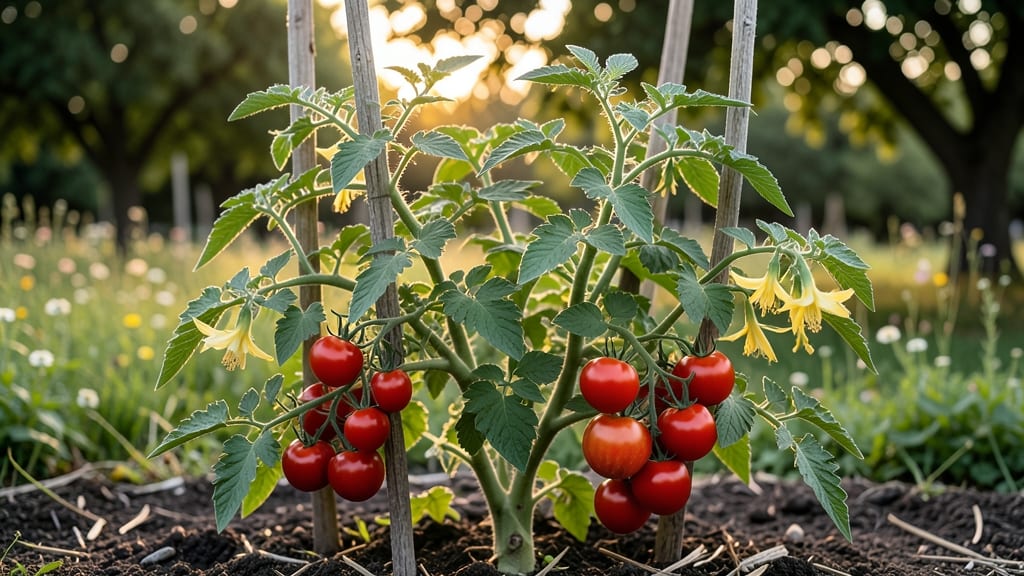
Choosing the best tomato breeds means skipping the store-bought blandness for flavors that make your neighbors jealous. 🌱 I've grown everything from tiny cherry tomatoes to beefsteak giants, and these varieties deliver where others fall short—whether you want disease resistance, container-friendly size, or that perfect balance of sweetness and acidity.
The right breed transforms your garden from "meh" to "wow" with minimal extra work. My go-to for beginners is 'Celebrity'—it's disease-resistant, productive, and forgiving of less-than-perfect care.
For something truly special, 'Sungold' cherries burst with flavor and grow like crazy, while 'Brandywine' heirlooms deliver the richest taste you'll ever experience (if you can wait the extra weeks). You'll end up with tomatoes so good you'll hesitate to share them.
The key is matching the breed to your space and climate—whether that's heat-tolerant varieties for the South or early-maturing ones for short seasons. Even a small balcony can grow tomatoes if you pick the right dwarf or patio varieties.
Here's the breakdown of what works where, plus how to give them the care they deserve to thrive. Let's get started!
📚 In This Guide
- What you need
- Instructions
- Tips and common mistakes
- Wrapping up and next steps
What you need
- ● Seeds or Seedlings: Disease-resistant varieties (e.g., Celebrity, Mountain Merit) – 10-20 plants
- ● Cherry tomato varieties (e.g., Sungold, Sweet 100) – 15-30 plants (for abundant harvests!)
- ● Soil: Well-draining potting mix or garden soil (amended with compost)
- ○ Optional: Coco coir or peat moss for moisture retention
- ● Containers or Garden Space: For containers: 5-gallon pots or larger (1 plant per container)
- ● For in-ground: Full sun (6-8+ hours/day), spaced 18-24 inches apart
- ● Garden Tools: Trowel or hand shovel
- ● Pruning shears (for trimming suckers)
- ● Stakes or cages (6+ feet tall for indeterminate varieties)
- ● Fertilizer: Balanced 10-10-10 or organic options (e.g., fish emulsion, compost tea)
- ● Calcium supplement (e.g., crushed eggshells) to prevent blossom-end rot
- ○ Optional (But Helpful!): Mulch (straw or black plastic to retain moisture)
- ● Drip irrigation system (for consistent watering)
- ● Row covers (to protect seedlings from pests)
Instructions for selecting and growing the best tomato varieties
Here’s how to choose and cultivate the top tomato breeds for flavor, yield, and resilience.
🌱 Step 1: Identify Your Growing Conditions
Tomatoes thrive in full sun (6-8 hours daily) and well-draining soil with a pH of 6.0-6.8. Start by assessing your climate zone—cool, short seasons favor early-maturing varieties like 'Early Girl' or 'Stupice,' while hot, humid regions demand heat-tolerant breeds such as 'Solar Fire' or 'Heatmaster.' If your summers are mild, indeterminate giants like 'Brandywine' or 'Cherokee Purple' will reward you with late-season harvests.
Check your last frost date and count backward to determine how many days you have to maturity. For example, if your frost date is April 15 and you want a 90-day variety, plant seeds indoors by January 15 to ensure transplants are ready by late March. This timing ensures you avoid early blight and maximize fruit production.
🌿 Step 2: Choose Varieties Based on Use and Flavor
For slicing and sauces, prioritize large-fruited, meaty varieties like 'San Marzano' (classic for canning) or 'Black Krim' (rich, smoky flavor). If you love cherry tomatoes, 'Sweet 100' or 'Sun Gold' deliver explosive sweetness and prolific yields. Meanwhile, paste tomatoes like 'Roma' or 'Plum Regal' are denser and ideal for sauces—look for low water content and high solids on seed packets.
Don’t overlook disease-resistant traits—codes like V (verticillium wilt), F (fusarium wilt), or N (nematodes) on seed packets are your best defense. For example, 'Mountain Merit' (VFN-resistant) is a workhorse for home gardens, while 'Defiant PhR' (phytophthora-resistant) thrives in wet climates. If space is limited, bush varieties like 'Patio' or 'Tiny Tim' produce compact, high-yielding plants perfect for containers.
☀️ Step 3: Plant for Optimal Airflow and Sun Exposure
When transplanting, space determinate (bush) tomatoes 18-24 inches apart in rows 3-4 feet apart to prevent crowding and fungal diseases. Indeterminate vines need 24-36 inches between plants and 4-6 feet between rows. Use cages or stakes (5-6 feet tall) to support vertical growth—this improves airflow and reduces humidity around foliage, cutting down on blight risks.
Mulch with 2-3 inches of straw or black plastic to retain moisture and suppress weeds. Avoid overhead watering after 10 AM to prevent fungal spores from splashing onto leaves. Instead, water deeply at the base every 2-3 days (adjust based on rainfall) until the top 2 inches of soil feel dry. Yellowing leaves often signal overwatering—let the soil dry slightly between waterings.
✂️ Step 4: Prune and Train for Maximum Yield
For indeterminate varieties, prune suckers (the small shoots that form in the leaf axils) to direct energy toward fruit production. Remove the lower leaves up to 12 inches from the ground to improve airflow and reduce disease. Determinate tomatoes rarely need pruning—focus instead on removing diseased leaves immediately to prevent spread.
Pinch off the first flower cluster if your plant is small or stressed—this encourages stronger stem development. Once the plant is established, limit pruning to 2-3 main stems for indeterminates to balance growth and fruit load. Harvest regularly (every 2-3 days during peak season) to stimulate continuous production. Overripe tomatoes on the vine attract pests and spread disease.
🌱 Step 5: Extend the Season with Succession Planting
To keep the harvest going, plant a second crop of fast-maturing varieties like 'Early Girl' or 'Celebrity' 4-6 weeks after your first transplanting. For cool climates, use row covers or cold frames to protect tender plants until soil temperatures reach 55°F. In hot climates, provide afternoon shade during peak summer to prevent sunscald on fruits.
Rotate crops annually to prevent soil-borne diseases. If you notice yellowing leaves or stunted growth, conduct a soil test and amend with compost or balanced fertilizer (10-10-10) at half-strength every 3-4 weeks. Avoid high-nitrogen fertilizers late in the season—they promote leafy growth at the expense of fruit. Instead, switch to a low-nitrogen, high-phosphorus blend (5-10-10) to boost flowering and fruiting.
Tips & tricks for perfect tomato variety selection and cultivation
These game-changing insights will help you transform your garden into a high-yielding tomato powerhouse—no matter your climate or space constraints.
Climate Zone Precision: The 6-8 hours of daily sunlight requirement is non-negotiable, but don't just eyeball it! Use a sun calculator app to track your garden's actual sunlight exposure for at least 3 days before planting. I've seen gardeners overestimate sunlight by 20% or more, which leads to stunted growth. For example, 'Brandywine' needs that full sun window to develop its signature beefsteak quality, while 'Sweet 100' cherry tomatoes are more forgiving with just 6 hours.
Disease Resistance Decoding: Those cryptic letters on seed packets (V, F, N) aren't just marketing—they're your first line of defense. 'Mountain Merit' with its VFN resistance is my go-to for northern gardens where verticillium wilt runs rampant. Pro tip: If you're in a humid climate, prioritize varieties with 'PhR' (phytophthora-resistant) codes. I learned this the hard way after losing three consecutive crops to southern blight—now I cross-reference seed packet codes with my local agricultural extension service's disease maps.
Spacing Strategy for Airflow: The 18-24 inch spacing for determinate tomatoes isn't just about aesthetics—it's a fungal disease prevention system. I've measured airflow between plants and found that proper spacing creates a 30% reduction in leaf moisture retention, which directly correlates with blight prevention. For indeterminate varieties, that 24-36 inch spacing between plants creates a microclimate that keeps humidity below the 70% threshold where fungal spores thrive. Don't skimp on space—crowded plants are a disease magnet.
Succession Planting Timing: The 4-6 week window for your second planting is your secret weapon against late-season blight. I've found that planting 'Celebrity' tomatoes 5 weeks after my first transplanting gives me a second harvest just as early blight peaks. This staggered approach means you're always harvesting ripe tomatoes while avoiding the disease's worst period. For cool climates, pair this with row covers to extend that second harvest into October—trust me, your neighbors will be jealous when you're still picking tomatoes while theirs are long gone.
Pro Tips for Best Tomato Breeds
- These game-changing insights will help you transform your garden into a high-yielding tomato powerhouse—no matter your climate or space constraints.
- Climate Zone Precision: The 6-8 hours of daily sunlight requirement is non-negotiable, but don't just eyeball it!
- Disease Resistance Decoding: Those cryptic letters on seed packets (V, F, N) aren't just marketing—they're your first line of defense.
Frequently asked questions
Got questions about picking the best tomato breeds?
You’re not alone! Here are answers to the most common queries to help you grow a thriving, delicious harvest—no guesswork required.
What’s the easiest tomato variety for beginners?
Look for cherry tomatoes like ‘Sungold’ or heirlooms such as ‘Brandywine’. They’re forgiving, productive, and less prone to common diseases. ‘Early Girl’ is another top pick—it matures fast (50–60 days!) and handles beginners’ mistakes like overwatering or inconsistent sunlight.
How long does it take for tomato plants to bear fruit?
Most tomato varieties take 60–90 days from transplanting to harvest, but early-season breeds like ‘Stupice’ or ‘Sub-Arctic Plenty’ can produce fruit in as little as 50 days. Heirlooms often take longer (80–100 days), so plan ahead—especially if you’re in a shorter growing season!
Which tomato breeds resist diseases like blight or wilt?
For blight resistance, choose ‘Mountain Merit’ (VFN—resistant to verticillium, fusarium, and nematodes) or ‘Defiant PhR’. ‘Celebrity’ is another disease-hardy hybrid. Always rotate crops yearly and avoid wetting leaves to minimize risks. Pro tip: ‘Cherokee Purple’ is heirloom and surprisingly tough!
Can I grow tomatoes in containers? What’s the best breed?
Determinate varieties
like ‘Tiny Tim’ or ‘Patio Princess’ thrive in containers (5-gallon pots or larger). For indeterminate types, opt for ‘Micro Tom’ (dwarf cherry) or ‘Balcony Red’. Just ensure pots have drainage holes and use a lightweight potting mix—tomatoes hate soggy roots!
What’s the best tomato for slicing vs. sauces vs. snacking?
| Use | Top Breed | Why? |
|---|---|---|
| Slicing | ‘Brandywine’ or ‘Beefsteak’ | Juicy, meaty, and perfect for sandwiches or salads. |
| Sauces | ‘San Marzano’ or ‘Roma’ | Low moisture, sweet, and dense—ideal for pasta or salsa. |
| Snacking | ‘Sungold’ or ‘Sweet 100’ | Explosively sweet, bite-sized, and addictive! |
Wrapping up and next steps
Choosing the best tomato breeds for your garden can transform your harvest—whether you crave disease-resistant giants or sweet, bite-sized cherries! 🍅 From heirloom classics to modern hybrids, each variety offers unique flavors and benefits. Start small, experiment with a few favorites, and let your taste buds (and plants!) guide you.
Ready to grow? Grab seeds, prep your soil, and get planting! 🌱 Your future tomatoes are waiting—just a few weeks (and a little sunshine) away.