
How To
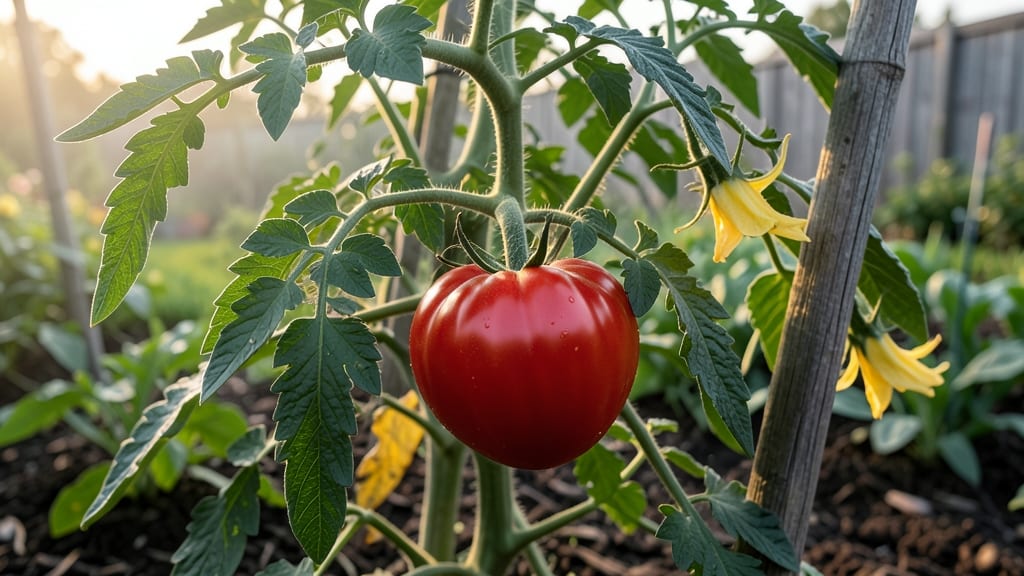
The taste of beefsteak tomatoes delivers a luscious combination of deep sweetness, bright acidity, and a meaty texture that makes them stand out among garden varieties. Their complex flavor profile—rich with natural sugars and balanced tartness—makes them perfect for fresh slicing or rich sauces.
Beefsteak tomatoes earn their reputation for their bold, multidimensional flavor, thanks to their high sugar content and lycopene levels. 🌿 The larger size means more flesh-to-seed ratio, giving them that prized juicy, almost beef-like texture.
Unlike smaller tomatoes, they develop a perfect balance of sweetness and acidity as they ripen, which is why chefs and home cooks adore them for everything from caprese salads to homemade marinara. The secret lies in their genetics—these heirlooms are bred to concentrate flavor, making every bite more satisfying.
What truly sets them apart is how their flavor evolves. Underripe beefsteaks can taste overly acidic, while fully ripe ones develop a honeyed depth that pairs beautifully with basil, mozzarella, or even balsamic glaze.
I always recommend letting them ripen on the vine or countertop until they yield slightly to gentle pressure—this ensures peak sweetness and that signature juicy burst you crave in every slice.
💡 In This Article
- What Gives Beefsteak Tomatoes Their Unique Flavor
- Best Ways to Enjoy Beefsteak Tomato Flavor
What gives beefsteak tomatoes their unique flavor
The beefsteak tomato's signature taste comes from its exceptionally high sugar content, typically ranging from 4-6% by weight—nearly double that of cherry tomatoes. This sweetness develops as the fruit ripens, thanks to the conversion of starches into natural sugars like glucose and fructose.
The key player here is the enzyme invertase, which breaks down sucrose into these simpler sugars, creating that luscious, almost caramel-like depth when fully ripe. 🔥
Lycopene, the pigment responsible for their deep red color, also contributes to the flavor profile. Studies show that beefsteaks contain up to 30% more lycopene than smaller varieties, which not only enhances color but also adds a subtle earthy note that balances the sweetness.
The larger size of beefsteaks means fewer seeds and more flesh, reducing bitterness while concentrating flavor. This is why a ripe beefsteak tastes more complex than a Roma or cherry tomato—it's all about that flesh-to-seed ratio.
Ripening plays a crucial role in their flavor development. Underripe beefsteaks can taste harsh and acidic, but when left to fully ripen on the vine, their sugar content peaks while acidity mellows.
The ideal balance occurs when the tomato reaches stage 4 ripeness—where the skin softens slightly and the color deepens to a rich crimson. This is why gardeners often leave them on the plant longer than commercial varieties, allowing nature to perfect their taste. 🌿
Genetics also set beefsteaks apart from other heirlooms. Their thick walls and fewer locules (seed cavities) mean more edible flesh per bite, which translates to a meaty texture that holds up beautifully in salads or sauces.
For comparison, a Brandywine tomato might have a similar sweetness but with a slightly more floral aroma, while beefsteaks lean toward that bold, savory richness. This genetic focus on flesh density is what gives them their signature "beef-like" texture.
Temperature and growing conditions further influence their flavor. Beefsteaks grown in warmer climates tend to develop higher sugar levels due to increased photosynthesis, while cooler conditions can make them slightly more acidic.
The pH balance of the soil also matters—slightly acidic soils (pH 6.0-6.8) help enhance sweetness, while alkaline soils can make them taste flatter. This is why heirloom growers often amend their soil with compost to create the perfect environment for flavor development. 💫
One final secret: the skin thickness of beefsteaks contributes to their flavor longevity. Unlike thin-skinned varieties that bruise easily, beefsteaks maintain their integrity longer, preserving their juicy interior and rich taste even after harvesting.
This makes them ideal for both fresh eating and cooking applications where texture matters as much as flavor.