
Plants
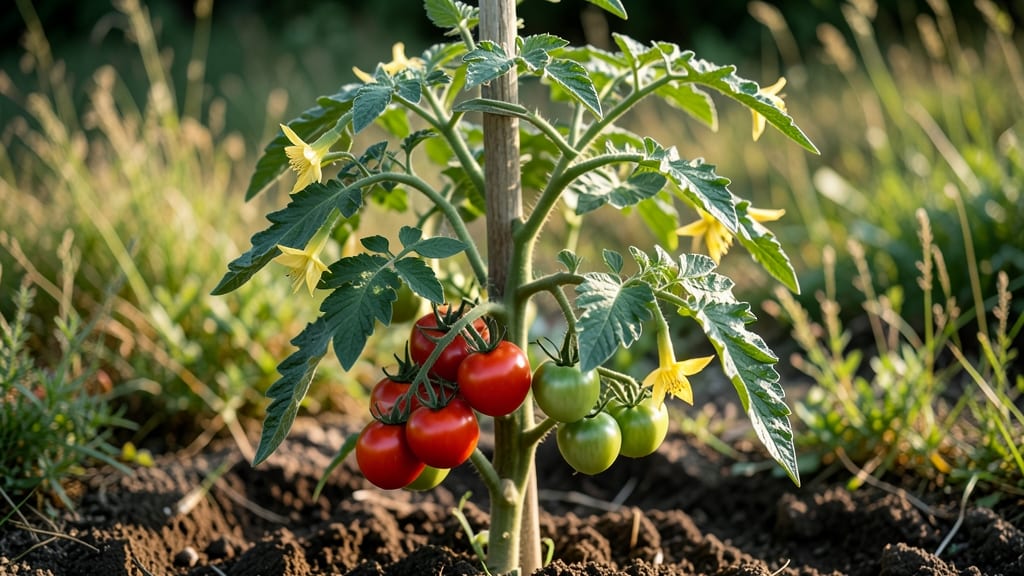
Tomato plants are poisonous to cats because their leaves and stems contain solanine and tomatine, which can trigger vomiting, lethargy, or diarrhea. Only fully ripe tomatoes are safe, but green parts and foliage remain dangerous if ingested.
These natural toxins affect cats differently than humans, with symptoms often appearing within hours of consumption. 🐱 The solanine in green parts is particularly concerning, as it can cause drooling, weakness, or even abdominal pain—making it critical to monitor your cat's garden exploration.
Even a small nibble could lead to discomfort, so keeping tomato plants out of reach is essential for pet safety.
If you're worried about your cat's curiosity, consider growing cat-friendly alternatives like cat grass or spider plants, which are completely safe and may even help deter them from chewing on toxic plants.
Many gardeners swear by these options as a way to satisfy a cat's natural urge to nibble while protecting their health.
💡 In This Article
- Toxic Components in Tomato Plants and Their Effects on Cats
- Cat-Safe Alternatives to Tomato Plants for Your Garden
Toxic components in tomato plants and their effects on cats
The danger lies in two key compounds: solanine and tomatine, both glycoalkaloids that act as natural pesticides in the tomato plant. Solanine concentrates in green parts (leaves, stems, and unripe fruit), while tomatine dominates in the foliage.
These compounds disrupt a cat's nervous system by interfering with acetylcholine receptors, which regulate muscle contractions and nerve signals. Even small amounts can trigger gastrointestinal distress or neurological symptoms.
Cats metabolize these toxins differently than humans due to their smaller size and faster metabolism. A 10-pound cat might experience symptoms after consuming just one leaf, while a larger cat could tolerate slightly more—but the risk isn't worth taking.
Symptoms typically appear within 6-12 hours and may include excessive drooling, vomiting, diarrhea (sometimes with blood), lethargy, or even seizures in severe cases.
The ripe red fruit contains trace amounts of solanine (about 0.001% of the level in green parts), making it the only safe part—but unripe tomatoes still pose risks.
Here's what happens chemically: solanine binds to acetylcholinesterase, an enzyme that breaks down acetylcholine. This buildup causes muscle spasms and digestive upset. Tomatine, meanwhile, damages cell membranes in the gastrointestinal tract, leading to inflammation and fluid loss.
The combination makes tomato plants particularly hazardous compared to other common garden plants like marigolds (which cause mild irritation at worst). 🐾
What makes this tricky is that cats often target the most toxic parts—young, tender leaves and stems—because they're more palatable. A curious cat might nibble after smelling the plant's slightly sweet, earthy aroma.
The key is preventing access: elevated planters or protective barriers work best, as cats are less likely to jump for food they can't easily reach. Even outdoor gardens need supervision, since cats may wander near tomato patches.
If you suspect poisoning, contact your vet immediately—supportive care (IV fluids, anti-nausea meds) can help, but there's no antidote. Keep a sample of the plant your cat ingested for identification, as symptoms can mimic other illnesses like pancreatitis.
Prevention is always safer: opt for cat-safe greens like wheatgrass or catnip to satisfy their chewing instincts without risk.